Effective Debt Reduction Strategies for a Smarter Financial Decision
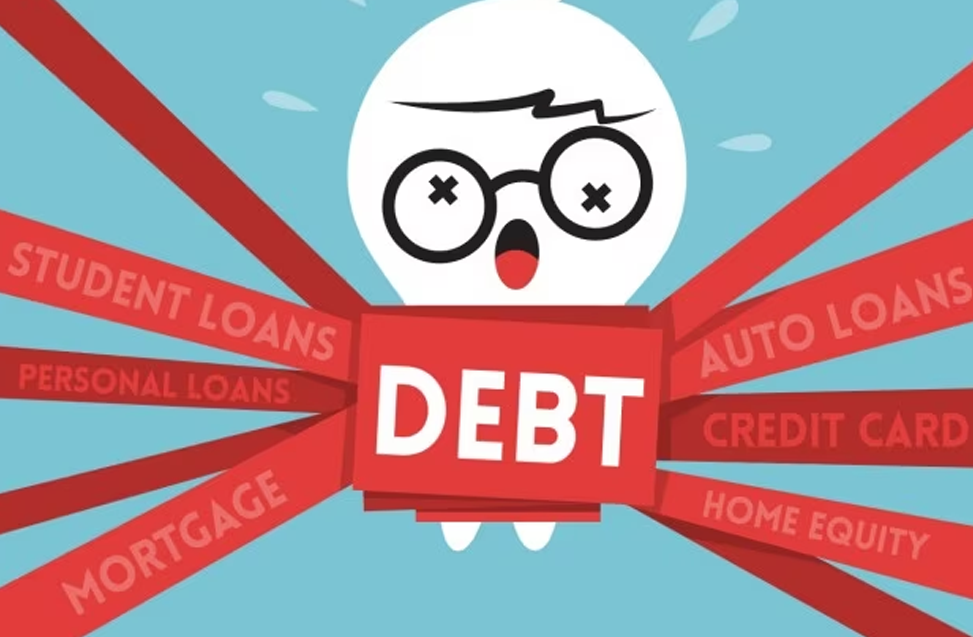
Are you tired of living with debt? Want to break free from the cycle of financial stress and live a life of financial freedom? Creating and implementing an effective debt reduction strategy is a crucial step towards achieving financial stability and security. In this article, we'll explore debt reduction strategies, including essential tips, tools, and real-life examples to help you manage and eliminate your debt efficiently.
Know Your Debt: The First Step to Effective Debt Reduction
Before you can begin reducing your debt, you need to know exactly how much you owe. This means tracking your income, expenses, and assets relative to your debt load. As Andrew Izyumov, 8FIGURES AI Investment Advisor, notes, "Knowing exactly how much you earn, spend and own relative to your debt load is the first step in creating a debt reduction strategy."
Do an Annual Budget Analysis
Creating a budget will help you understand where your money is going, identify areas where you can cut back, and prioritize your debt repayment. Write down your income and expenses to get an accurate picture of your financial situation. You can use a budgeting app or spreadsheet to make tracking easier.
Choose the Right Debt Reduction Strategy for Your Situation
There are several debt reduction strategies to choose from, and the right one for you will depend on your personal financial situation. Some common strategies include:
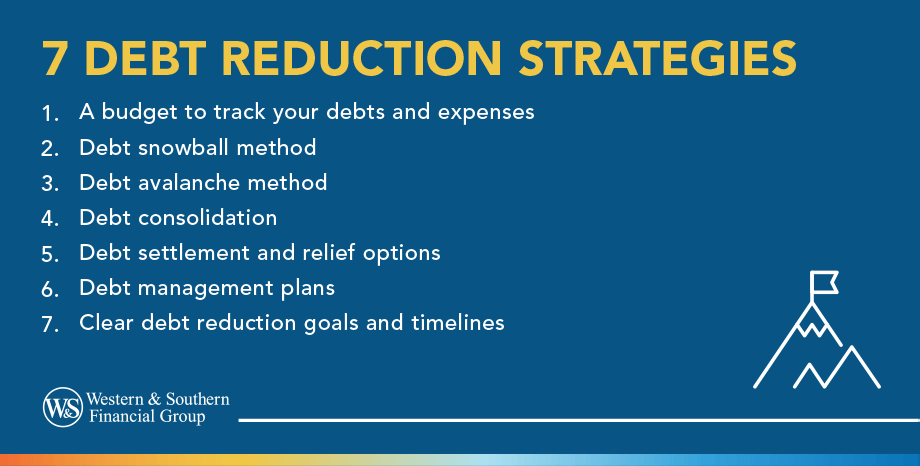
- The debt avalanche method: This involves paying off debts with the highest interest rates first, while making minimum payments on other debts.
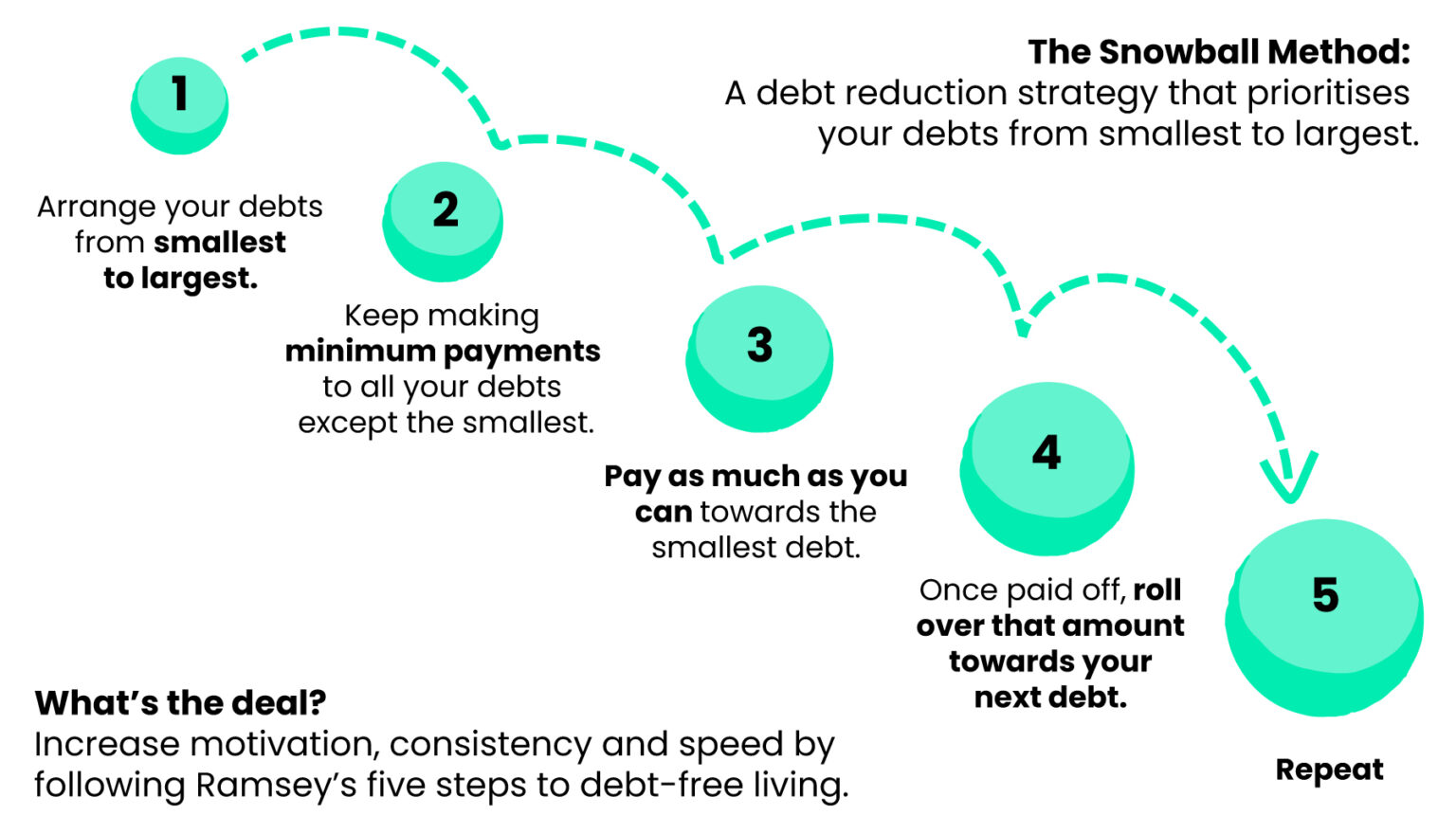
- The debt snowball method: This method involves paying off smaller debts first, while making minimum payments on other debts.
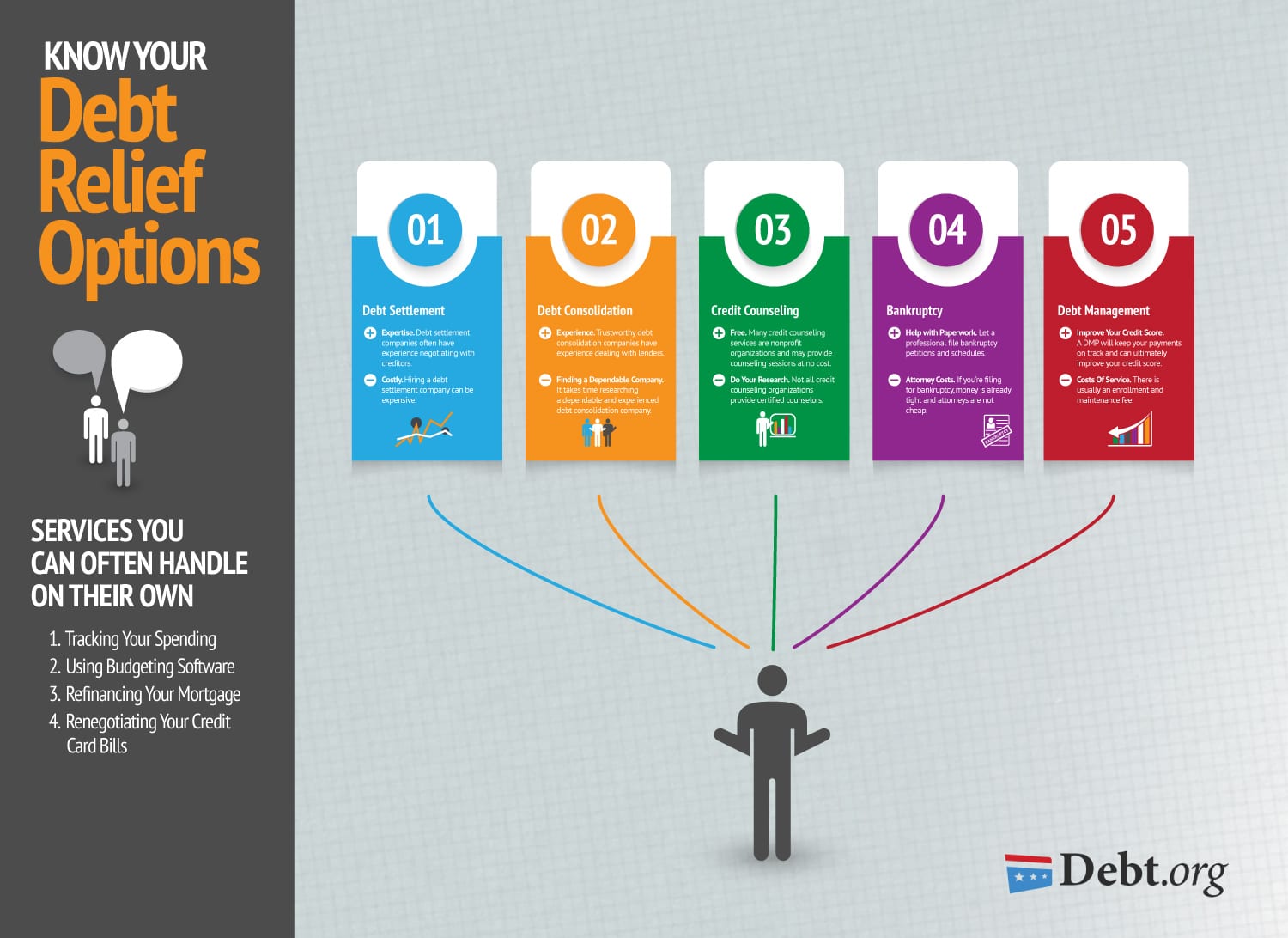
- Debt consolidation: This involves combining multiple debts into one loan with a lower interest rate and one monthly payment.
- Debt settlement: This involves negotiating with creditors to settle the amount owed for less than the full balance.
Top 5 Debt Reduction Strategies
Here are five effective debt reduction strategies that can help you manage and eliminate your debt:
- Pay More Than the Minimum Payment: Paying more than the minimum payment on your debts can help you pay off the principal balance faster and reduce the interest you owe.
- Cut Expenses and Create a Budget: Review your budget and cut expenses to free up more money to put towards your debt.
- Consider a Side Hustle: Start a side hustle to increase your income and put the extra money towards your debt.
- Use the 50/30/20 Rule: Allocate 50% of your income towards necessities, 30% towards discretionary spending, and 20% towards saving and debt repayment.
- Consider Debt Consolidation or Settlement: If you have multiple debts with high interest rates, consolidating them into one loan or negotiating with creditors for a settlement may be a good option.
Getting Out of Debt: A 5-Step Plan
Getting out of debt is possible when you know what you owe and what you can do to repay it. Here's a 5-step plan to follow:
- Understand Debt Reduction Strategies: Learn about debt reduction strategies such as the highest interest rate method, the snowball method, and debt consolidation.
- Track Your Expenses: Keep track of where your money is going to identify areas where you can cut back. li>): Use a budgeting app or spreadsheet to create a budget and prioritize your debt repayment.
- Pay Off Debt: Start paying off your debt using your chosen strategy, such as the debt avalanche method or the debt snowball method.
- Build Emergency Savings: Once you've paid off your debt, build an emergency fund to avoid going back into debt.
Conclusion
Debt reduction is a crucial aspect of achieving financial freedom and securing a stable financial future. By understanding debt reduction strategies, tracking your expenses, and creating a budget, you can manage and eliminate your debt efficiently. Remember, getting out of debt takes time and discipline, but with the right strategy and support, you can achieve financial freedom and live a debt-free life.