Learning Python with Pandas Library: A Comprehensive Guide
Pandas is a powerful data manipulation tool that makes working with data easier. It provides two main data structures: Series and DataFrame, which are essential for data analysis. In this article, we will explore the benefits of using Pandas, its basic data structures, and how to implement it in Python.
Key Benefits of Using Pandas
Pandas is an open-source library that provides several benefits, including:
- Efficient data manipulation and analysis
- Easy data cleaning and transformation
- Fast and flexible data analysis
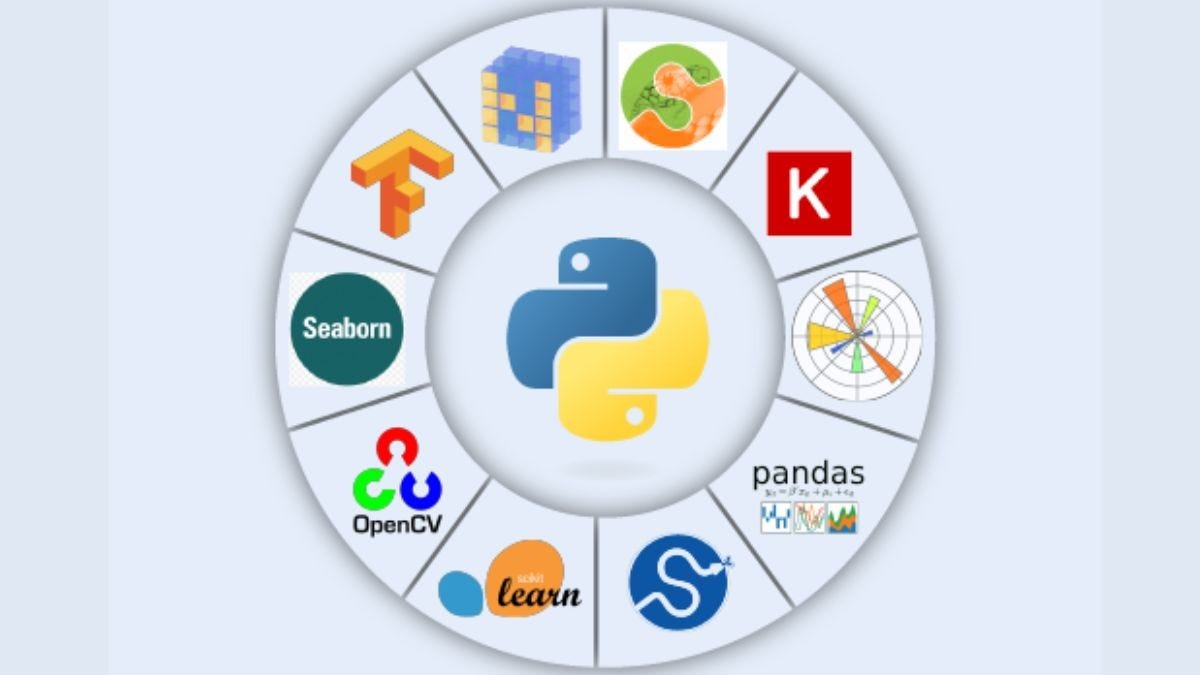
- Integration with other libraries such as NumPy, Matplotlib, and Scikit-learn
Basic Data Structures in Pandas
Pandas provides two main data structures: Series and DataFrame.
- Series: A one-dimensional labeled array that holds data of any type, such as integers, strings, or Python objects.
- DataFrame: A two-dimensional data structure that holds data like a two-dimensional array or a table with rows and columns.
Implementing Pandas in Python
To install Pandas, you can use pip, the package installer for Python. Once installed, you can import Pandas into your Python code and start using its features.
Here's an example of creating a simple DataFrame using Pandas:
```python import pandas as pd data = {'Name': ['John', 'Anna', 'Peter'], 'Age': [28, 24, 35], 'Country': ['USA', 'UK', 'Australia']} df = pd.DataFrame(data) print(df) ```Learning Pandas with Tutorials and Courses

If you're new to Pandas, there are many tutorials and courses available to help you learn. Some popular resources include:
- Pandas Tutorial by DataCamp
- Pandas Course by Coursera
- Pandas Tutorial by W3Schools
Real-World Applications of Pandas
Pandas is used in various industries, including finance, scientific research, and time series analysis. Some real-world applications of Pandas include:
- Data analysis and visualization
- Machine learning and predictive modeling
- Time series analysis and forecasting
- Data cleaning and preprocessing
Conclusion
In conclusion, Pandas is a powerful data manipulation tool that makes working with data easier. Its basic data structures, including Series and DataFrame, provide a solid foundation for data analysis. With its easy-to-use interface and integration with other libraries, Pandas is an essential tool for anyone working with data in Python.
Recommended Resources
For further learning, we recommend checking out the following resources:
- Pandas Documentation
- Pandas Tutorials by DataCamp
- Pandas Course by Coursera
- Pandas Tutorial by W3Schools