Can Cats Drink Rice Milk?
Are you a cat owner wondering if rice milk is a safe and healthy alternative for your feline friend? In this article, we'll explore the pros and cons of feeding cats rice milk, discuss its benefits and risks, and provide guidance on whether it's suitable for kittens and adult cats.
What is Rice Milk?
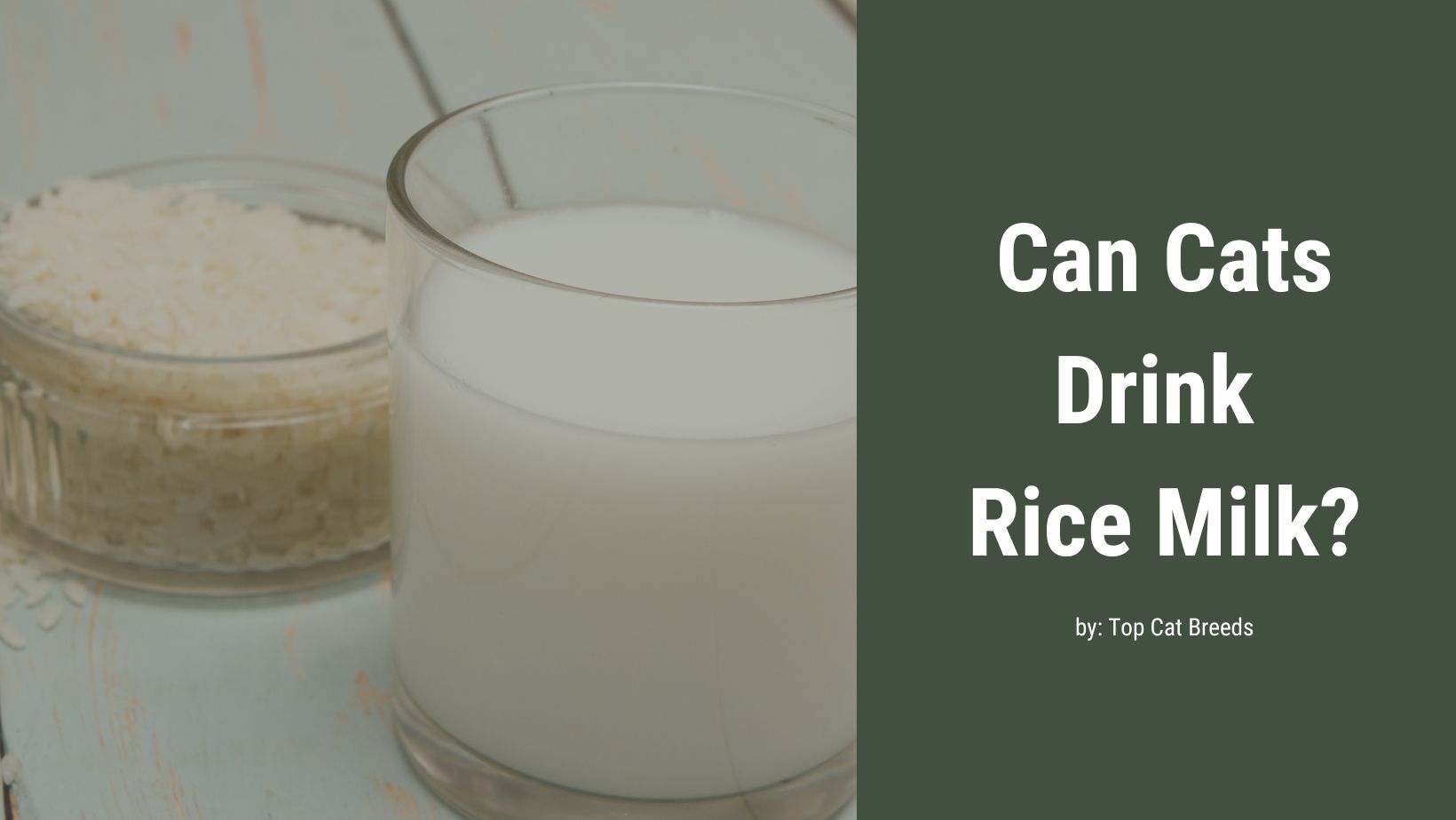
Rice milk is a plant-based milk alternative made from milled white or brown rice and water. It's often fortified with vitamins and minerals, including calcium, vitamin B12, and vitamin D. Unlike cow's milk, rice milk is low in lactose and fat, making it a popular choice for those with lactose intolerance or dairy allergies.
Can Cats Drink Rice Milk?
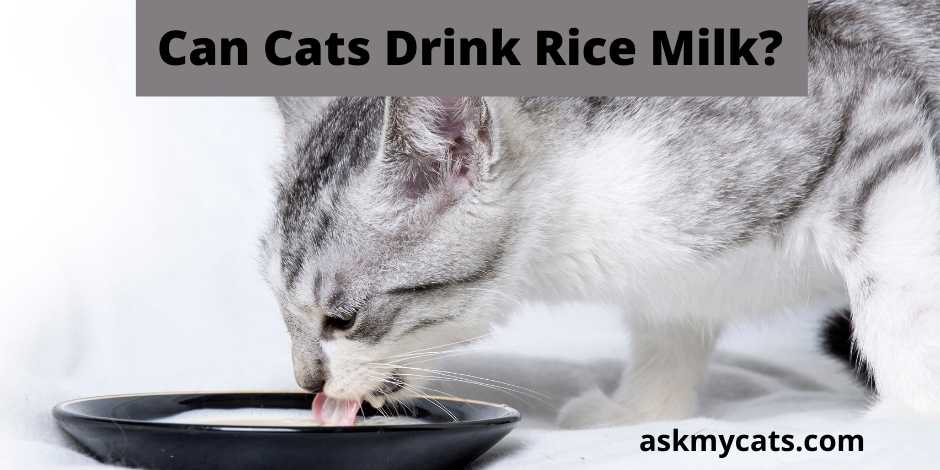
While rice milk is a safe option for cats in moderation, it's essential to consider its limitations. Cats are obligate carnivores, meaning their systems are designed to process meat-based nutrients. Rice milk, on the other hand, is a plant-based milk alternative that lacks essential nutrients and proteins found in animal products.
- Cats can safely consume rice milk in small amounts, but it shouldn't be a staple in their diet.
- Rice milk is generally free from lactose, which can be beneficial for kittens who are lactose intolerant.
- Rice milk lacks essential nutrients and proteins found in animal products, making it an incomplete diet for cats.
Benefits of Rice Milk for Cats
Rice milk may offer some benefits for cats, including:
- Low in lactose, making it suitable for kittens with lactose intolerance.
- Lower in fat and calories compared to cow's milk.
- Easy to digest, reducing the risk of gastrointestinal upset.
Risks of Rice Milk for Cats
Rice milk can also pose some risks for cats, including:
- Unbalanced nutrient profile, potentially leading to nutrient deficiencies or imbalances.
- Carbohydrates and sugars not typically part of a cat's diet, potentially causing an upset stomach or digestive disturbance.
- Not a suitable substitute for mother's milk or kitten milk replacer (KMR), as it lacks essential nutrients and proteins.
Alternatives to Rice Milk for Cats
If you're considering a plant-based milk alternative for your cat, there are other options available:
- Almond milk: A low-fat, lactose-free alternative, but ensure it's free from xylitol, a sugar substitute that's toxic to cats.
- Coconut milk: A nutrient-rich alternative, but it's high in saturated fat, so use it in moderation.
- Kitten milk replacer (KMR): A nutritionally complete formula designed for kittens, available in powder or liquid form.
Conclusion
In conclusion, while rice milk is a safe option for cats in moderation, it's essential to consider its limitations. Cats require a balanced and complete diet that meets their unique nutritional needs. Rice milk lacks essential nutrients and proteins found in animal products, making it an incomplete diet for cats. If you're considering a plant-based milk alternative, consult with your veterinarian to determine the best option for your feline friend.