Dopamine Loop and Self-Forgiveness: Breaking the Cycle of Regret and Guilt
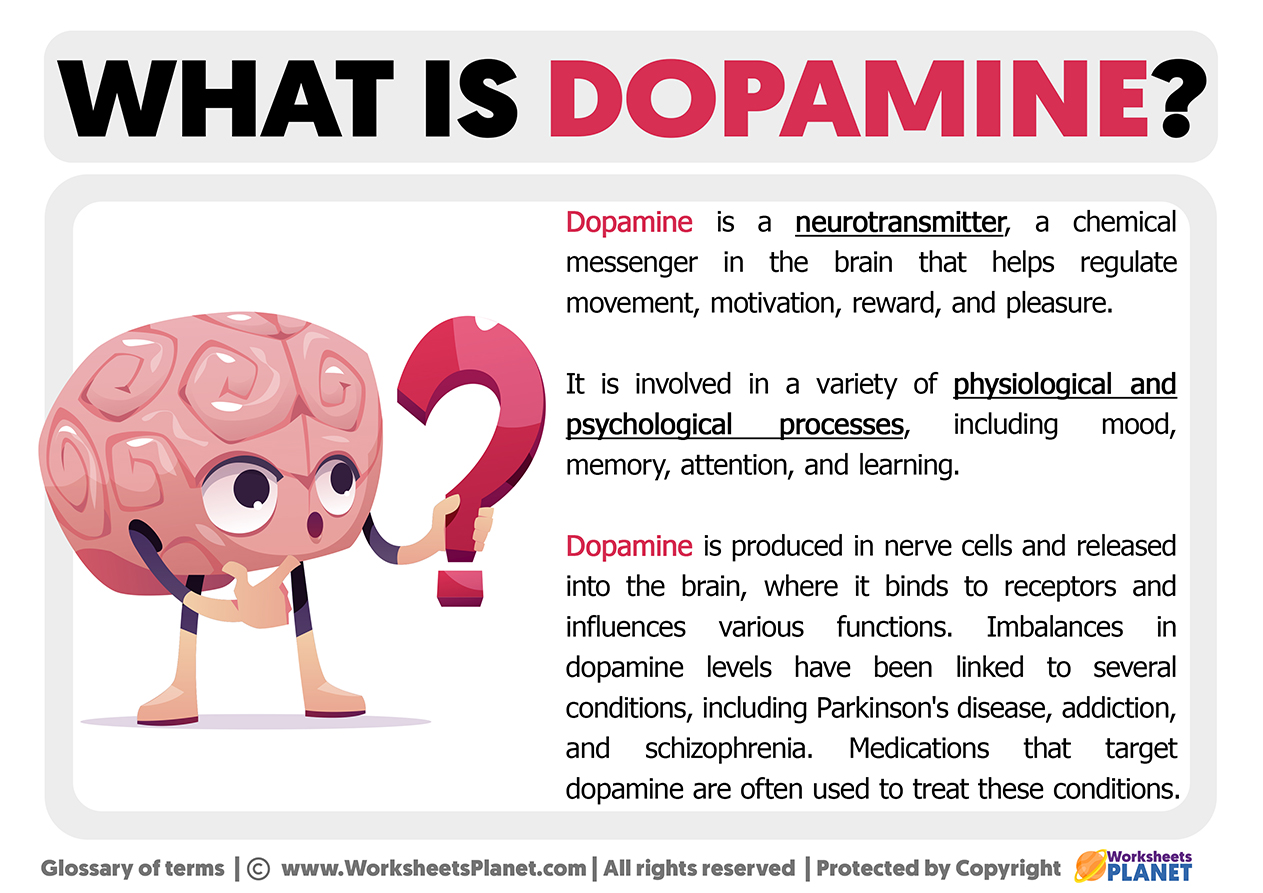
Our brains are wired to seek pleasure, avoid pain, and eliminate threats. This natural response is driven by the neurotransmitter dopamine, which releases a "feel-good" sensation when we engage in activities that bring us joy or satisfaction. However, this same mechanism can also lead to a vicious cycle of self-blame and guilt, making it challenging to practice self-forgiveness. In this article, we will delve into the concept of the "dopamine loop" and explore how it relates to self-forgiveness.
What is the Dopamine Loop?
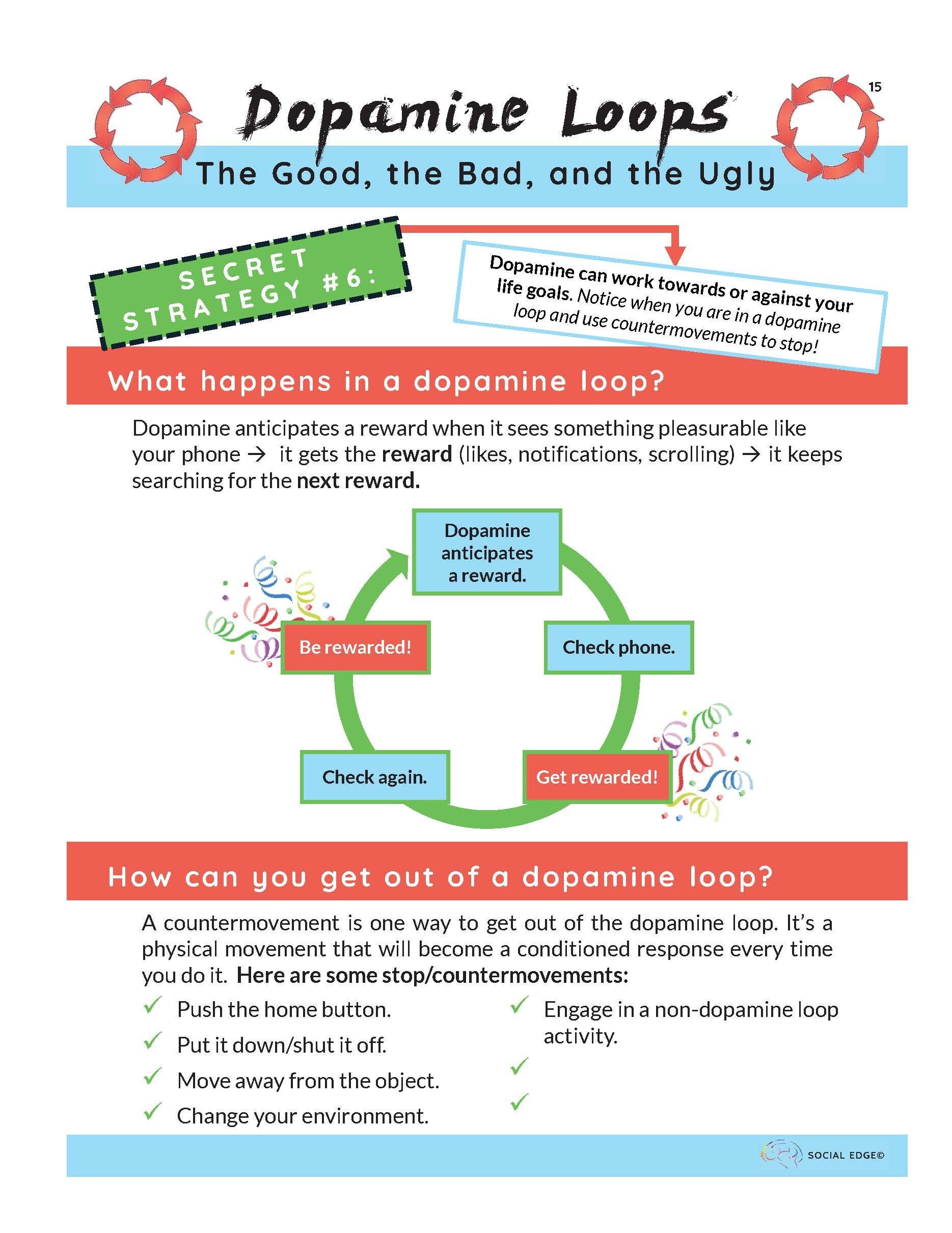
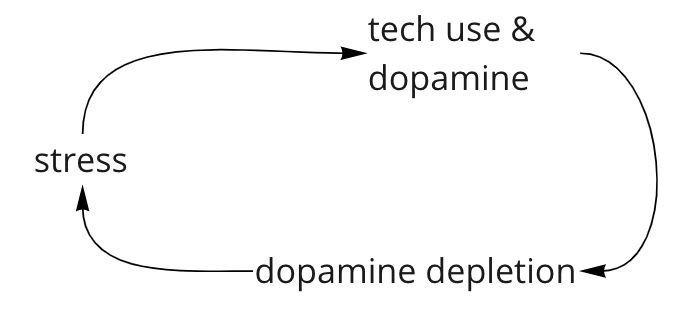
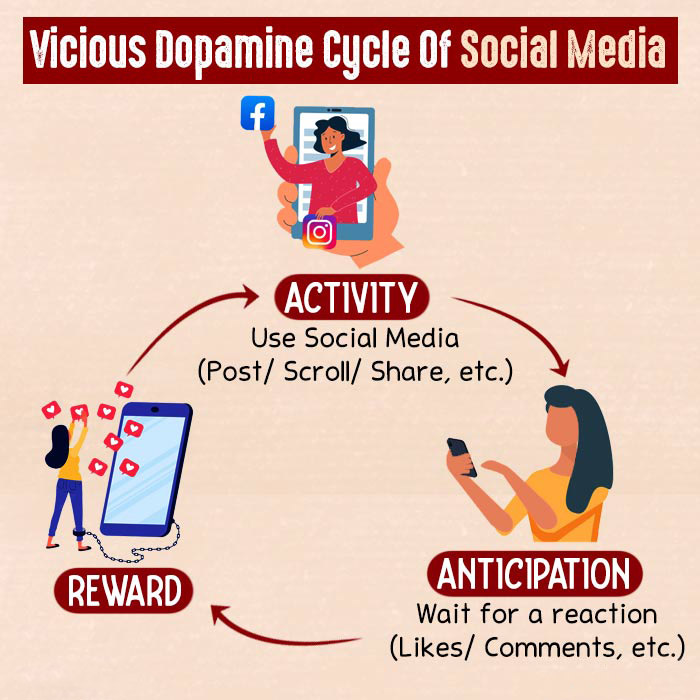
The dopamine loop refers to the self-perpetuating cycle of seeking rewards, experiencing pleasure, and then craving more. This loop is fueled by the brain's natural response to dopamine, which creates a feedback loop: the more we seek reward, the more dopamine is released, and the more we crave it. This can lead to addiction, obsessive behavior, and a constant pursuit of validation and self-worth.
How Does the Dopamine Loop Relate to Self-Forgiveness?
When we make mistakes or experience setbacks, our brains can get stuck in a loop of self-blame and regret. We replay the negative thoughts and emotions associated with the event, seeking a way to alleviate the pain and discomfort. This can lead to a vicious cycle of guilt, shame, and self-criticism, which can be detrimental to our mental health and overall well-being. The dopamine loop can make it challenging to practice self-forgiveness, as we become trapped in the expectation of punishment or reward for our perceived transgressions.

Breaking the Dopamine Loop and Practicing Self-Forgiveness
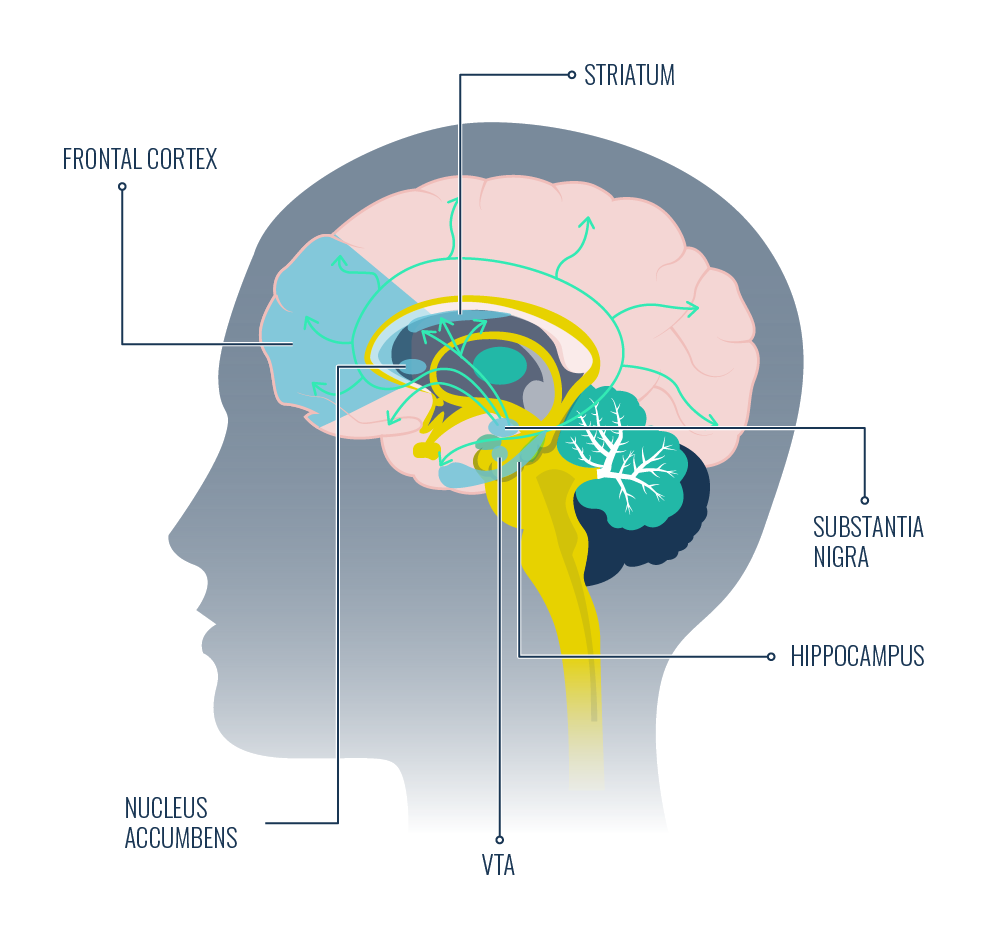
To break the dopamine loop and cultivate self-forgiveness, we need to understand that regret and guilt can become addictive. When we replay past mistakes, we activate the same brain regions associated with craving and addiction. By recognizing this pattern, we can take a step back and interrupt the cycle. Here are some strategies to help you break the dopamine loop and practice self-forgiveness:
- Practice mindfulness: Pay attention to when you engage in self-criticism and guilt. Notice which emotions and thoughts trigger these feelings and take a moment to acknowledge them without judgment.
- Reframe negative thoughts: Challenge negative self-talk by reframing negative thoughts and emotions into more balanced and realistic ones.
- Practice self-compassion: Treat yourself with kindness, understanding, and patience. Acknowledge that everyone makes mistakes and that it's a natural part of growth and learning.
- Focus on the present moment: Rather than dwelling on past mistakes, focus on the present moment and the opportunities it brings. Practice mindfulness meditation, yoga, or other mindfulness exercises to help you stay grounded.
- Develop self-forgiveness practices: Regularly practice self-forgiveness exercises, such as writing down your thoughts and feelings, journaling, or engaging in acts of self-care.
Conclusion
Breaking the dopamine loop and cultivating self-forgiveness requires self-awareness, mindfulness, and a willingness to challenge negative thought patterns. By recognizing the link between guilt, shame, and the dopamine loop, we can take steps to interrupt the cycle and practice self-compassion and forgiveness. Remember, self-forgiveness is not about forgetting or excusing mistakes but about recognizing our limitations, learning from our experiences, and moving forward with renewed energy and purpose.