Drawing Techniques for Abstract Art: Unlocking Creativity and Self-Expression
Abstract art has been a cornerstone of artistic expression for centuries, offering a unique and liberating way for artists to convey emotions, ideas, and experiences through non-representational forms. With abstract art, the possibilities are endless, and the techniques are as diverse as the artists who create them. In this article, we'll delve into the world of drawing techniques for abstract art, exploring the various methods, materials, and styles that artists use to create stunning and thought-provoking works.
Understanding Abstract Art
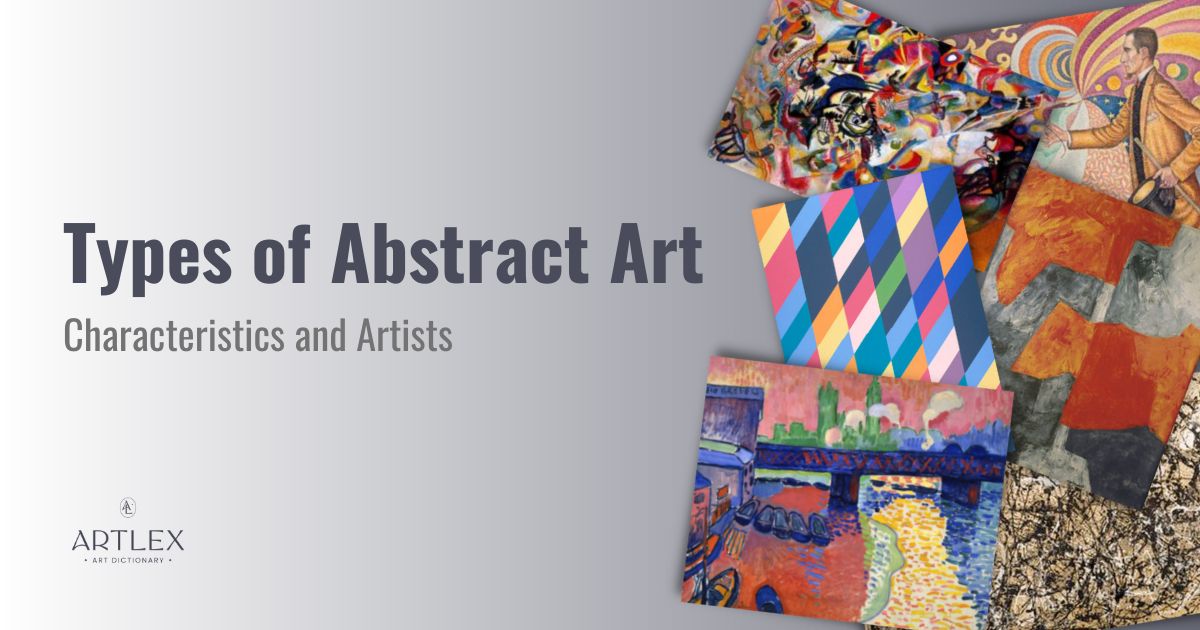
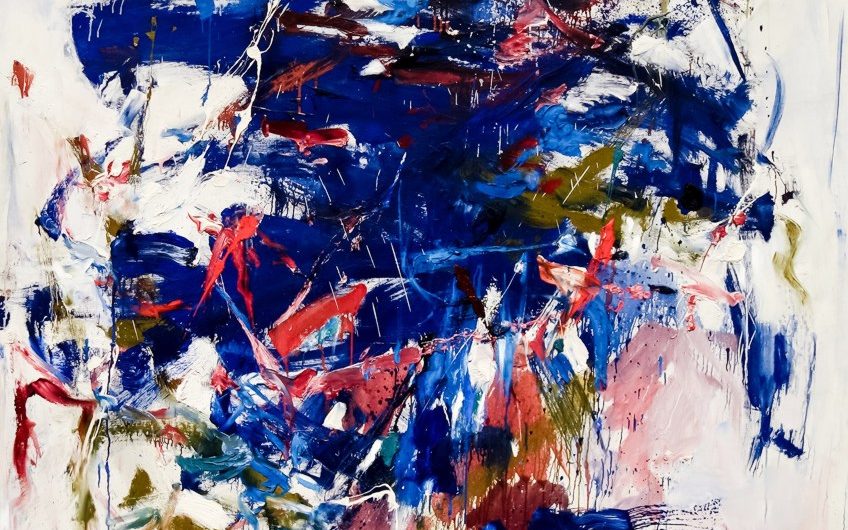
Abstract art is a form of non-representational art that focuses on expressing emotions, ideas, and experiences through creative and often unconventional means. Unlike representational art, which aims to accurately depict the world around us, abstract art seeks to capture the essence or spirit of a subject, rather than its physical appearance. This freedom from representational constraints allows artists to experiment with different materials, techniques, and styles, pushing the boundaries of traditional art forms.
The Importance of Drawing Techniques for Abstract Art
Drawing techniques are essential for creating effective and impactful abstract art. Whether you're a seasoned artist or a beginner, mastering various drawing techniques can help you communicate your vision, convey emotions, and create visually compelling works. Abstract drawing techniques can also be adapted to other mediums, such as painting, printmaking, or digital art, making them a versatile and valuable skill for artists to acquire.
10 Essential Drawing Techniques for Abstract Art
- Gesture Drawing**: Quick, expressive drawings that capture the energy and movement of a subject or emotion.
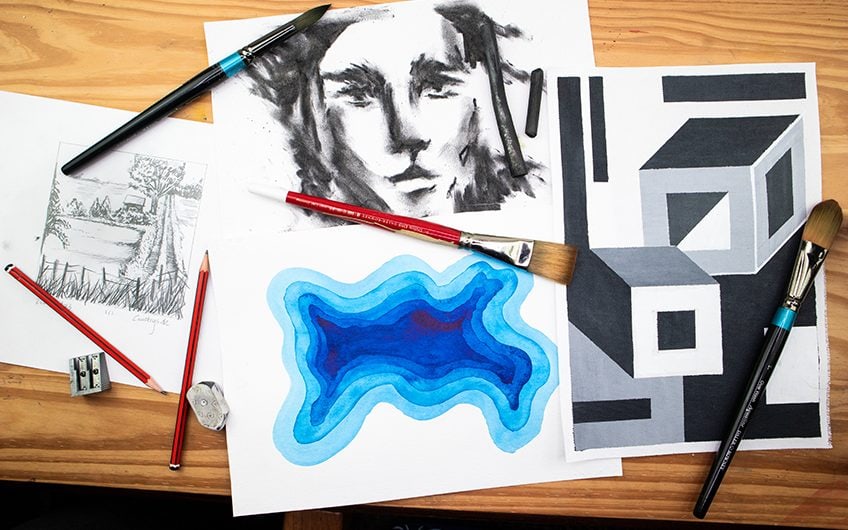
- Expressive Mark-Making**: Using various tools and materials to create a range of marks, from bold and gestural to delicate and intricate.
- Patterning and Texture**: Creating intricate patterns and textures using various materials and techniques, such as hatching, cross-hatching, or stippling.
- Layering and Glazing**: Building up layers of paint, ink, or other materials to create rich, luminous colors and complex textures.
- Scraping and Sanding**: Using various tools to scrape and sand surfaces, creating unexpected textures and visual effects.
- Collage and Mixed Media**: Combining different materials and techniques, such as drawing, painting, or printing, to create complex and visually striking works.
- Sgraffito**: Using a sharp tool to scrape through a layer of paint or wax, revealing underlying colors and textures.
- Frottage**: Transferring texture from one surface to another using a combination of drawing and rubbing techniques.
- Stenciling and Stamping**: Using templates or stamps to create bold, graphic shapes and patterns.
- Abstract Lettering and Typography**: Using letters and numbers as abstract forms, exploring the emotional and expressive potential of language.
Exploring Drawing Techniques for Abstract Art
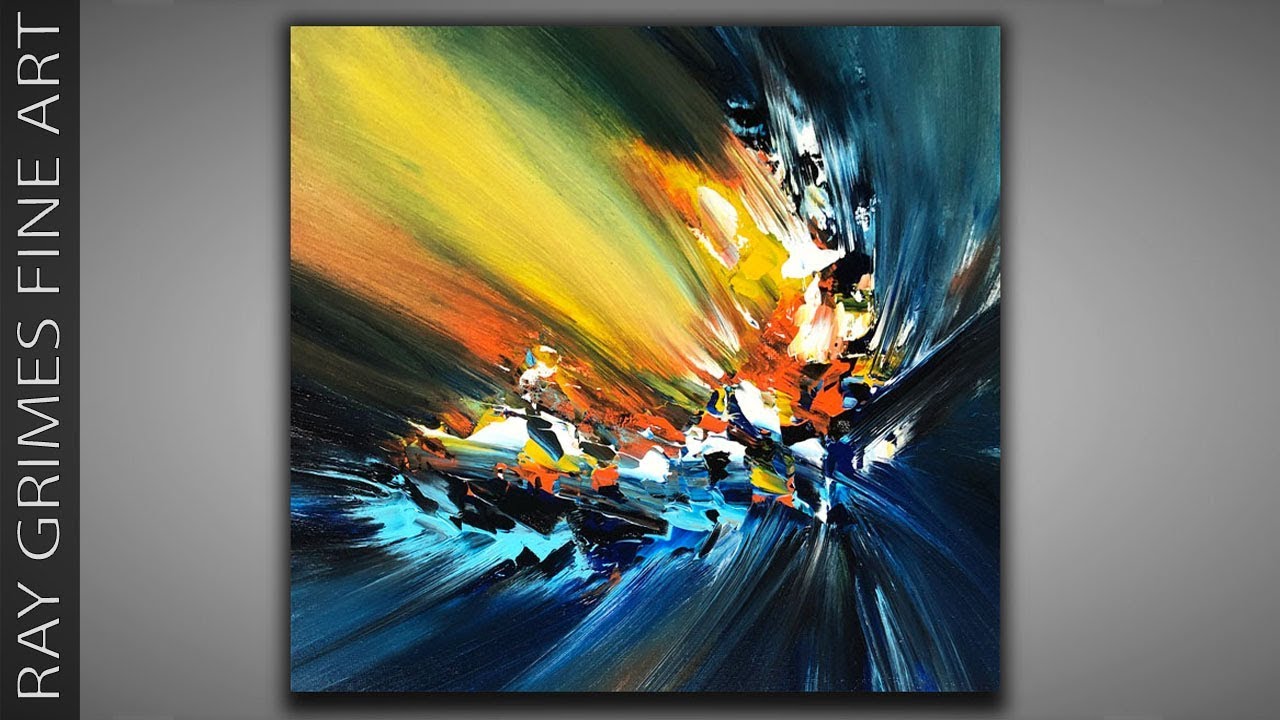
Abstract art offers a vast and diverse range of drawing techniques, each with its own unique characteristics and expressive possibilities. By experimenting with different materials, tools, and styles, artists can unlock their creativity and self-expression, pushing the boundaries of traditional art forms. Whether you're a beginner or a seasoned artist, exploring drawing techniques for abstract art can be a rich and rewarding experience, leading to new discoveries, insights, and artistic breakthroughs.
Conclusion
Drawing techniques for abstract art are essential for creating effective and impactful works that communicate emotions, ideas, and experiences. By mastering various drawing techniques, artists can unlock their creativity and self-expression, pushing the boundaries of traditional art forms. Whether you're a beginner or a seasoned artist, exploring drawing techniques for abstract art can be a rich and rewarding experience, leading to new discoveries, insights, and artistic breakthroughs.
Additional Resources
For additional inspiration and guidance, check out the following resources:
- Skillshare Classes:** Explore a range of topics, tools, and techniques, from photography and graphic design, to drawing and animation.
- Tate Art Galleries:** Discover the UK's collection of British art from 1500 and of international modern art.
- Powerful and Easy-to-Use Drawing and Animation Apps:** Pay once, no subscription.
- Artists Network:** Creative content, education, and products for artists.
- XX Eyez Art:** Handcrafted abstract and textured oil paintings by the international XX Eyez artist.