Understanding Attention Span: The Crucial Interplay of Cognitive, Emotional, and Environmental Elements
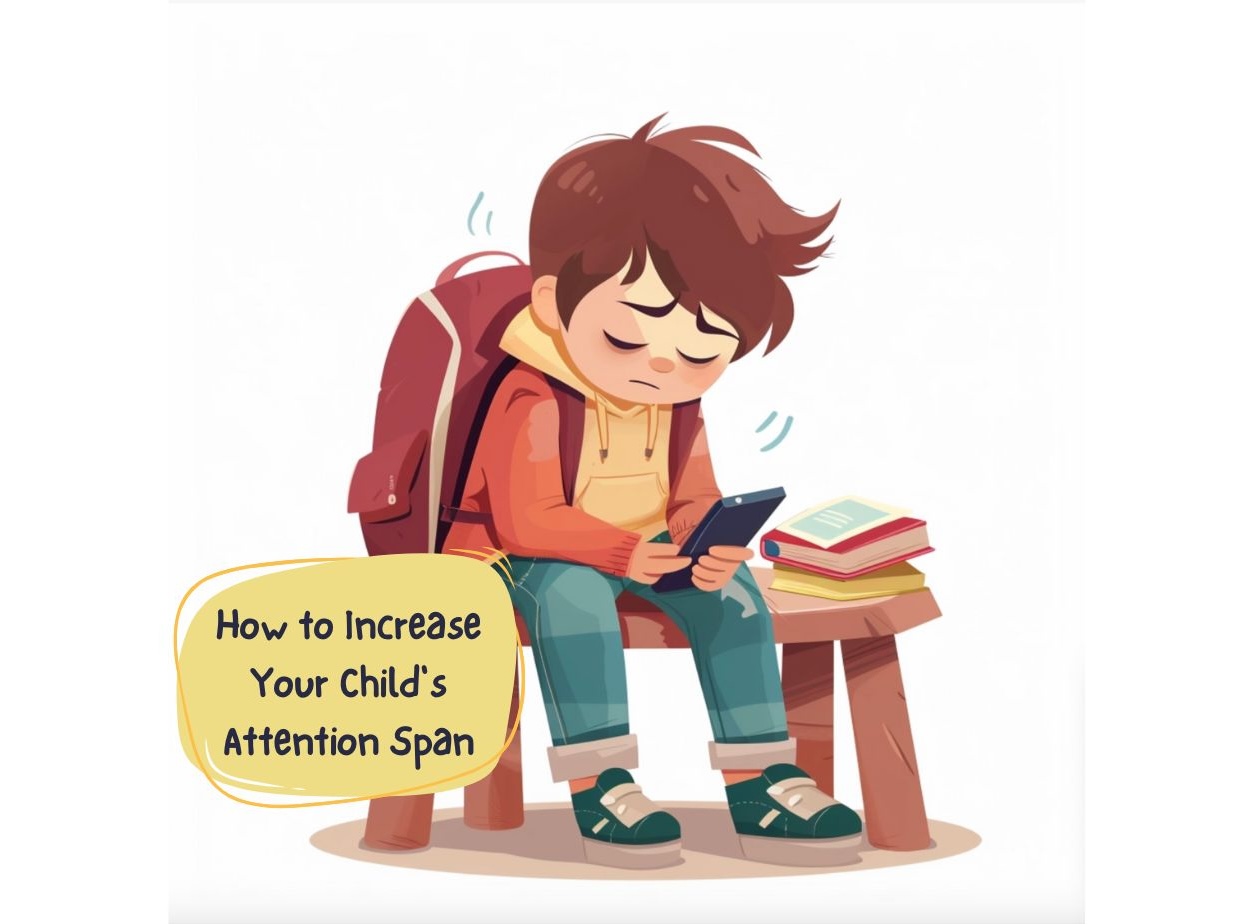
The average attention span has declined significantly since 2000, with studies suggesting a 36% drop in attention span over the past two decades. This decline has far-reaching implications, affecting not only individuals but also various sectors, including education and marketing.
The Complexity of Attention Span
Attending span is not merely a personal trait but a complex interplay of cognitive, emotional, and environmental elements. It is influenced by factors such as the nature of the stimulus, individual differences, and the emotional state of the person. Understanding attention span requires differentiating between types of attention, including sustained attention, selective attention, and divided attention.
What Affects Our Attention Span?
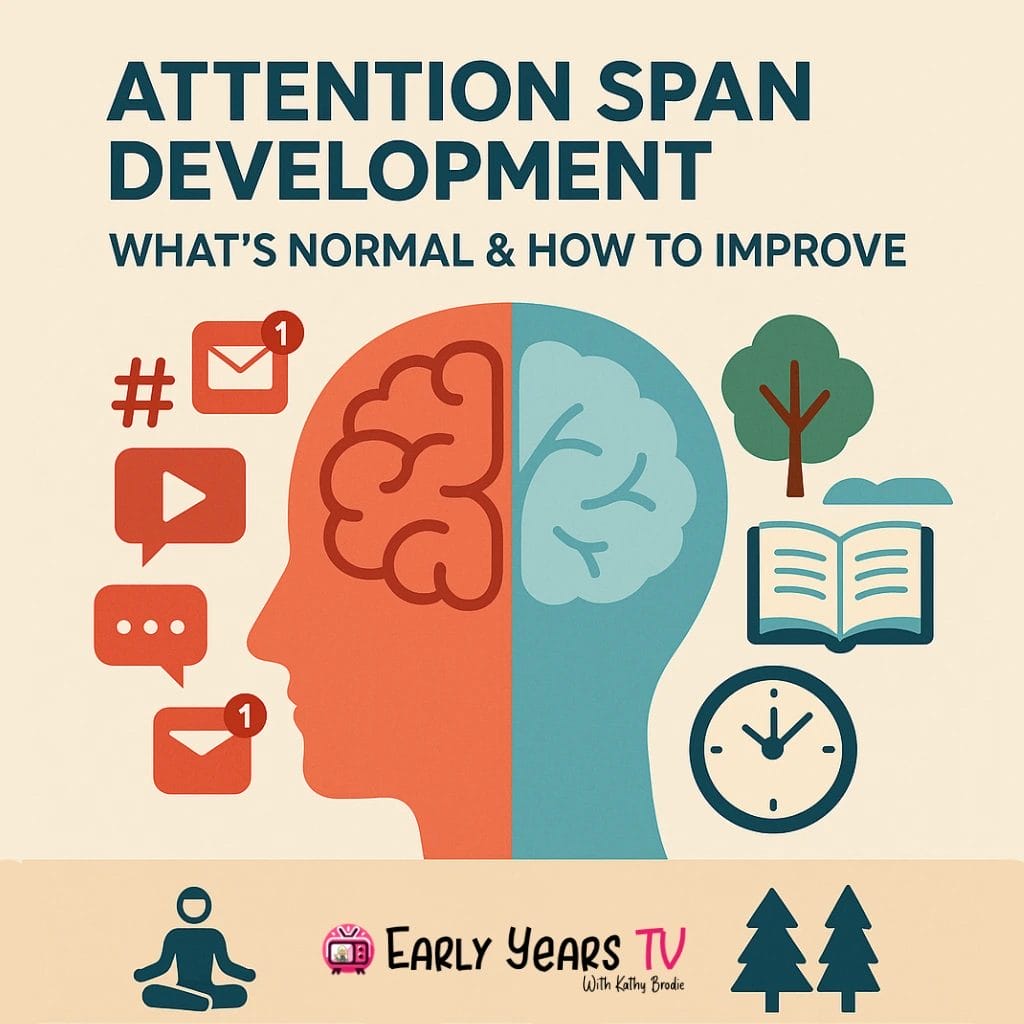
- External Factors: The rise of digital technology, social media, and the constant bombardment of information can lead to a decline in attention span.
- Internal Factors: Individual differences, including cognitive abilities and emotional state, can also impact attention span.
- Environmental Factors: The environment in which we interact can also influence attention span, with studies showing that exposure to nature can improve attention.
Types of Attention
Understanding attention span requires recognizing the different types of attention, including:

- Sustained Attention: The ability to maintain attention over time, often required for tasks that demand focused concentration.
- Selective Attention: The ability to focus on specific stimuli while ignoring others, essential for tasks that require filtering out distractions.
- Divided Attention: The ability to handle multiple stimuli or tasks simultaneously, often required for multitasking.
Strategies to Reclaim Focus
Fortunately, there are evidence-based strategies to reclaim focus and improve attention span:
- Practice Mindfulness: Regular mindfulness practice can improve attention span by training the brain to stay focused.
- Use the Pomodoro Technique: Alternate between focused work and breaks to maintain productivity and reduce burnout.
- Eliminate Distractions: Identify and eliminate distractions, such as social media or notifications, to improve focus.
Conclusion
Understanding attention span is crucial across various fields, from education to marketing. By recognizing the complex interplay of cognitive, emotional, and environmental elements that affect attention span, we can develop effective strategies to improve focus and productivity. By taking ownership of our attention span, we can reclaim our focus and achieve our goals in today's fast-paced world.