10 Surprising Ways to Fall Asleep Faster
Do you struggle to fall asleep at night, lying awake for what feels like hours as your mind races with thoughts and your body remains tense? You're not alone. Millions of people around the world battle with insomnia and difficulty falling asleep, which can have serious consequences for our physical and mental health. In this article, we'll explore 10 surprising ways to fall asleep faster, including relaxation and breathing techniques, visualizing a calming scene, and improving your sleep hygiene.
Relaxation and Breathing Techniques
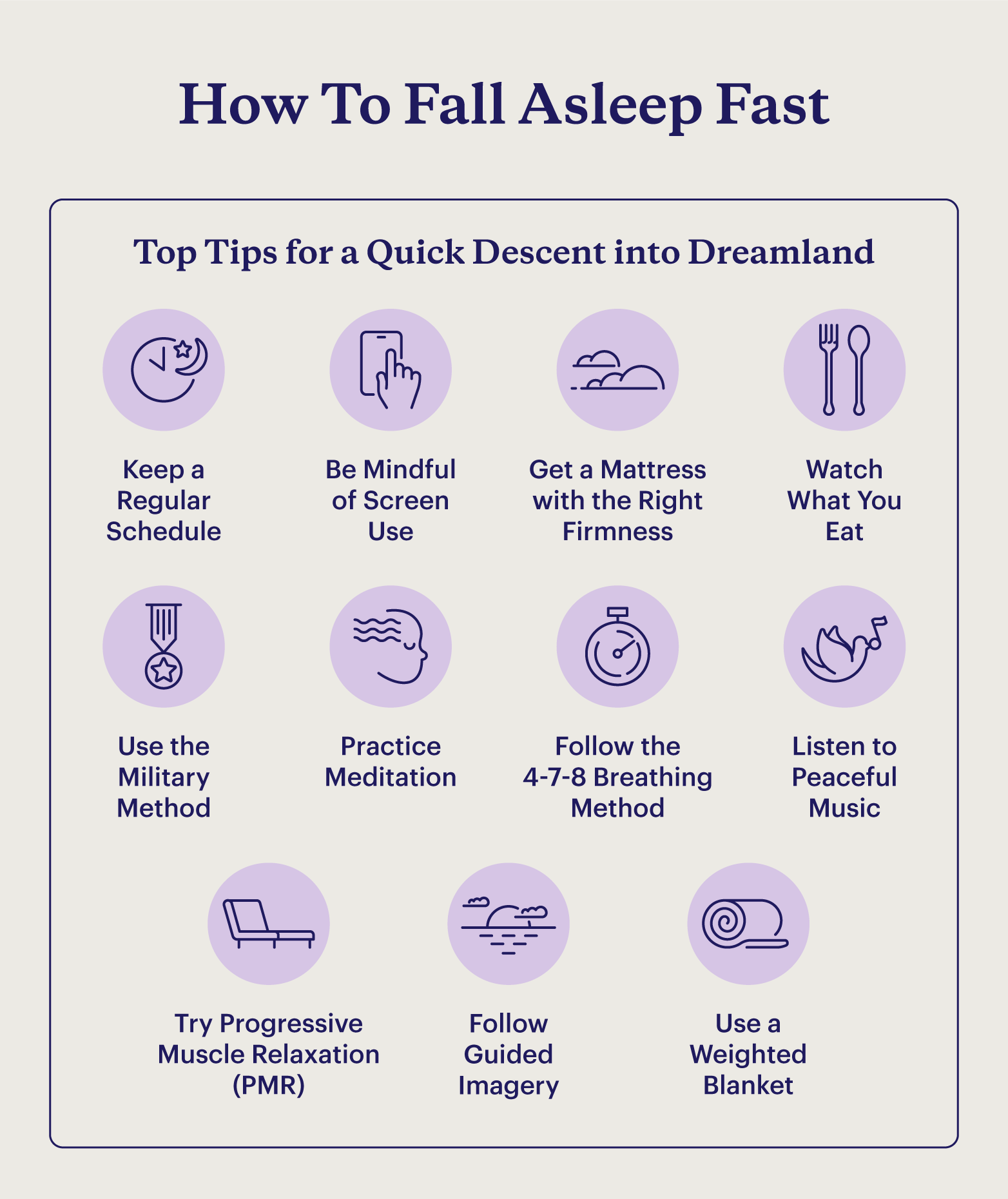
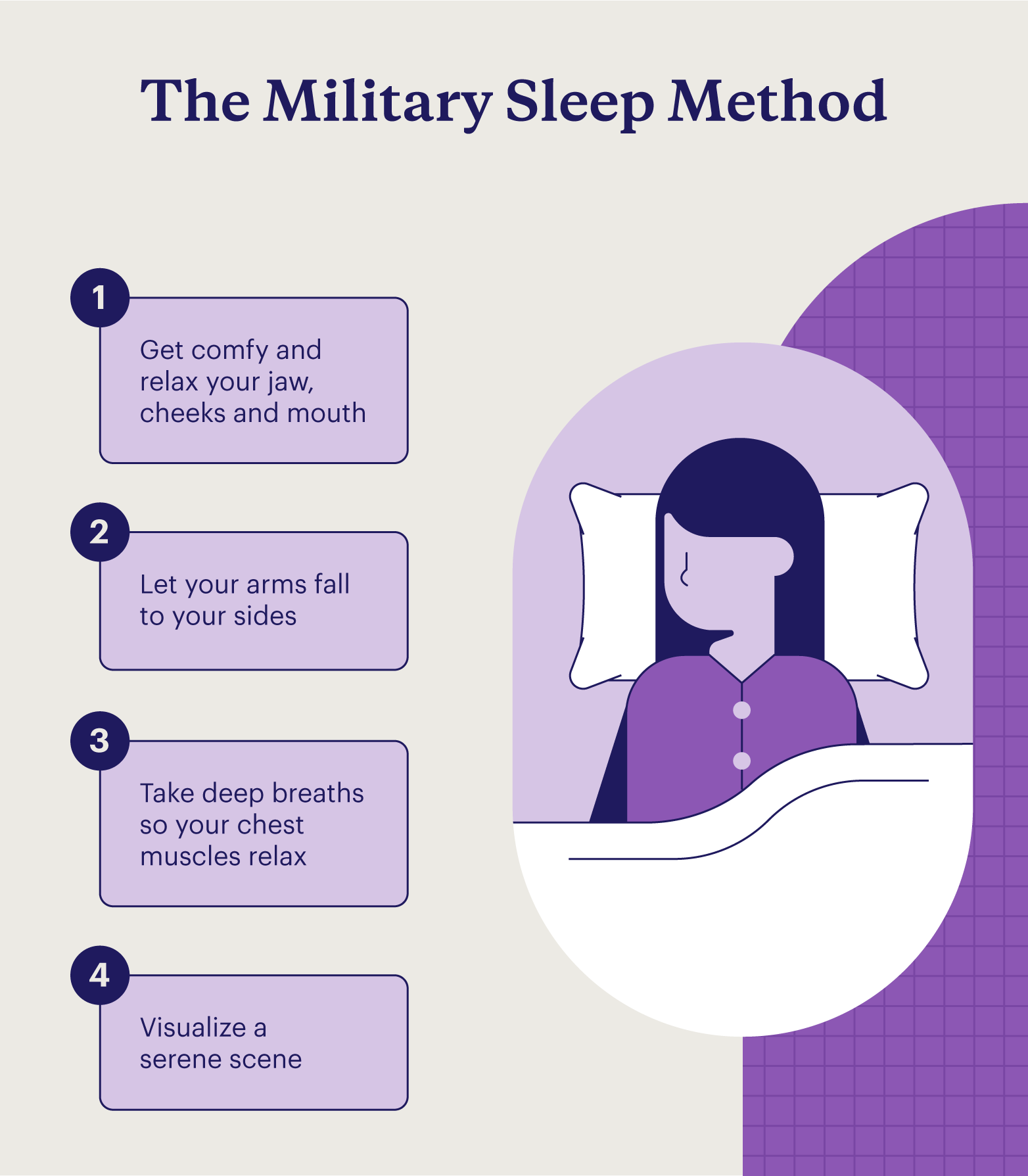
One of the most effective ways to fall asleep faster is through relaxation and breathing techniques. Techniques such as progressive muscle relaxation, deep breathing, and visualization can help calm your mind and body, making it easier to drift off to sleep. By taking a few minutes each night to practice these techniques, you can train your brain to relax and prepare for sleep.
- Progressive Muscle Relaxation (PMR): Tense and then relax different muscle groups in your body, starting with your toes and moving up to your head.
- Deep Breathing: Focus on taking slow, deep breaths, inhaling through your nose and exhaling through your mouth.
- Visualization: Imagine yourself in a calm, peaceful place, such as a beach or a forest, and focus on the sights and sounds of that environment.
Visualizing a Calming Scene
Visualizing a calming scene is a powerful way to fall asleep faster. By imagining a peaceful and relaxing environment, you can calm your mind and body, making it easier to drift off to sleep. This technique can be especially helpful for people who struggle with racing thoughts and anxiety.
- Choose a Calming Scene: Select a peaceful and relaxing environment that you find calming, such as a beach or a forest.
- Use All of Your Senses: Imagine the sights, sounds, and smells of your chosen environment, and focus on the sensations of being there.
- Practice Daily: Make visualization a part of your daily routine, and practice it regularly to help you relax and fall asleep faster.
Improving Your Sleep Hygiene
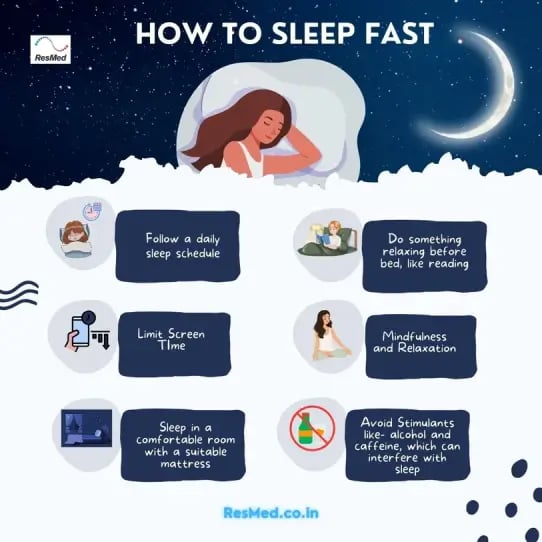
Improving your sleep hygiene is also crucial for falling asleep faster. By establishing a regular sleep schedule, creating a relaxing sleep environment, and avoiding stimulating activities before bedtime, you can train your brain and body to sleep better.

- Establish a Sleep Schedule: Go to bed and wake up at the same time every day, including weekends and holidays.
- Create a Relaxing Sleep Environment: Make your bedroom a sleep sanctuary by keeping it cool, dark, and quiet, and investing in a comfortable mattress and pillows.
- Avoid Stimulating Activities Before Bed: Avoid watching TV, using electronic devices, or engaging in stimulating activities at least an hour before bedtime.
Additional Tips
There are many other ways to fall asleep faster, including:
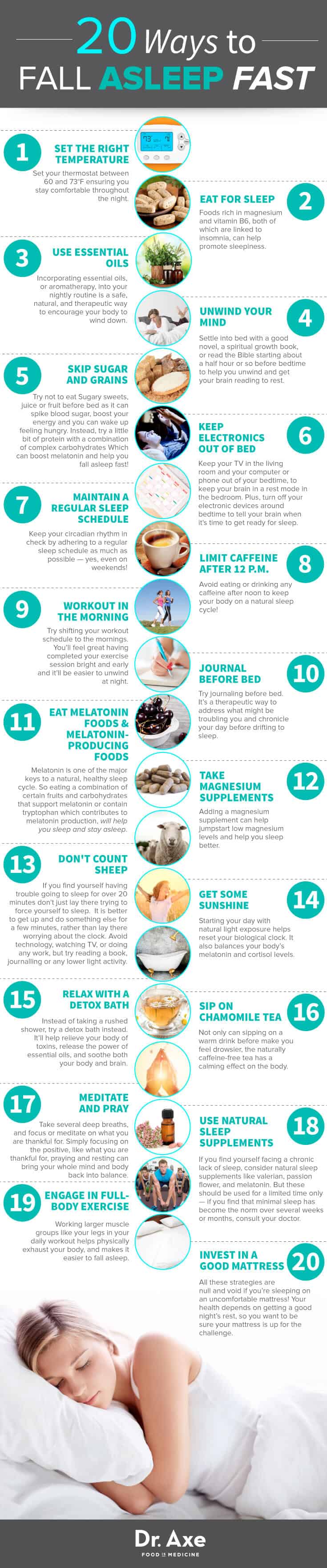
- Exercise Regularly: Regular physical activity can help you fall asleep faster, but avoid vigorous exercise within a few hours of bedtime.
- Limit Caffeine and Nicotine: Avoid consuming caffeine and nicotine in the hours leading up to bedtime, as they can disrupt your sleep patterns.
- Consider Melatonin Supplements: Melatonin supplements can help regulate your sleep-wake cycle and improve the quality of your sleep.
- Try Cognitive Shuffling: This technique involves focusing on a series of random thoughts or images to distract your brain and help you fall asleep faster.
Conclusion
Falling asleep faster is essential for maintaining good physical and mental health. By incorporating relaxation and breathing techniques, visualizing a calming scene, and improving your sleep hygiene, you can train your brain and body to sleep better. Remember to try different techniques and find what works best for you. With patience and practice, you can fall asleep faster and wake up feeling refreshed and energized.
References:
1. Rachel Hamadan, MD, FAAFP, "10 Ways to Fall Asleep Faster" (JAMA Internal Medicine, 2020) 2. National Sleep Foundation, "Sleep and the Brain" (2020) 3. Harvard Health Publishing, "Relaxation Techniques for Stress Relief" (2019) 4. American Academy of Sleep Medicine, "Sleep and Mental Health" (2019) 5. Sleep.org, "Improve Sleep Quality" (2020)