False Calls and Vibrations: Understanding Phantom Vibration Syndrome
Have you ever felt your phone vibrating in your pocket only to realize it was just your imagination or a false signal? You're not alone. This phenomenon is known as Phantom Vibration Syndrome, and it's more common than you think.
What is Phantom Vibration Syndrome?
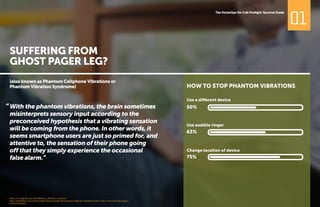
Phantom Vibration Syndrome, also known as Phantom Call Syndrome, is a psychological phenomenon where people perceive their phone as vibrating or ringing when it's not actually doing so. It's a common experience for many smartphone users, and it's estimated that up to 90% of people who regularly carry a mobile device have experienced it at least once.
Causes of Phantom Vibration Syndrome
- Misfiring Neurons:** The brain's cortex may misinterpret numerous sensory signals, leading to false perceptions of phone vibrations or ringtones when expecting a call or notification.
- Over-Reliance on Mobile Phones:** An over-reliance on mobile phones can impact personal priorities such as work, social life, or health, leading to a condition known as Phantom Vibration Syndrome.
- Anticipation:** Sometimes, you feel a vibration or hear a ringtone in your mind due to anticipation of a desired outcome, such as a call or message.
Symptoms of Phantom Vibration Syndrome
The symptoms of Phantom Vibration Syndrome are quite evident – you feel your phone vibrating or hear a ringtone, even when it's not actually doing so. This can happen when you're engaged in an activity, walking, or even just sitting still. Often, you'll reach for your phone to check if there's a notification or message, only to find out that there isn't one.
Complications of Phantom Vibration Syndrome
While Phantom Vibration Syndrome is not a serious health risk, it can have some negative consequences. For instance, it can lead to:
- Distraction:** False signals can distract you from your work, social life, or other important activities.
- Anxiety and Stress:** People with strong reactions to text messages and social media notifications are more likely to experience Phantom Vibration Syndrome, which can lead to anxiety and stress.
- Loss of Focus:** The constant checking of your phone can lead to a loss of focus and decreased productivity.
Solutions to Phantom Vibration Syndrome
Fortunately, there are some solutions to help you cope with Phantom Vibration Syndrome:
- Turn off Notifications:** Disable notifications or turn off your phone's ringer and vibration entirely to reduce the likelihood of phantom signals.
- Practice Mindfulness:** Practice mindfulness to reduce your focus on your phone and reduce stress.
- Check Your Phone Less:** Limit your phone checks to specific times of the day, and avoid mindless scrolling.
- Use Call Blocking Apps:** Utilize call-blocking apps or services to minimize unwanted calls and texts.
- Seek Professional Help:** If you're experiencing excessive anxiety or stress due to Phantom Vibration Syndrome, consider seeking professional help.
Conclusion
Phantom Vibration Syndrome is a common phenomenon that affects many smartphone users. While it's not a serious health risk, it can lead to distractions, anxiety, and loss of focus. By understanding the causes and symptoms and implementing some simple solutions, you can minimize the occurrence of Phantom Vibration Syndrome and maintain a better work-life balance.