Causation of Phubbing Behind Relationship Achievements
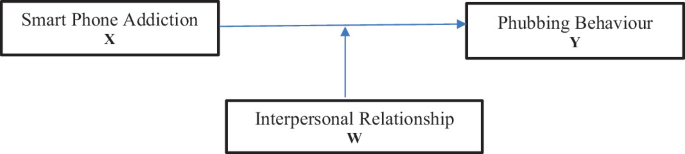
Phubbing, a behavior marked by neglecting someone in a social setting to focus on one's phone, has become a widespread phenomenon with significant consequences on intimate relationships. As romantic relationships continue to evolve in the digital age, the causation of phubbing behind relationship achievements has garnered substantial attention. Research has consistently shown that phubbing can have detrimental effects on relationships, including lowered relationship satisfaction, emotional disconnection, and feelings of jealousy. This article aims to explore the causes of phubbing behind relationship achievements, shedding light on the critical factors contributing to this behavior.
Understanding Phubbing
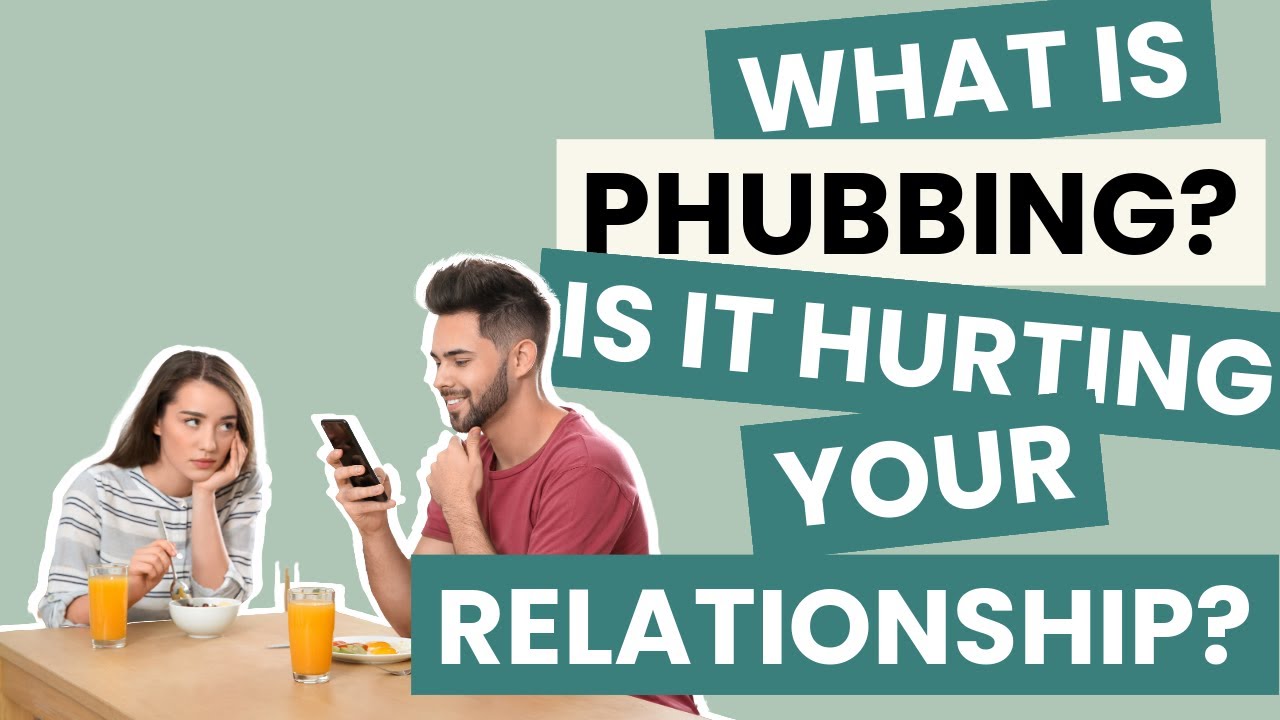
Phubbing is an abbreviation for "phone snubbing," a behavior predominantly characterized by ignoring one's partner or friends in favor of interacting with a mobile phone or digital device. According to Chotpitayasunondh and Douglas (2018), phubbing refers to the act of snubbing someone in a social setting by concentrating on one's mobile phone. The widespread adoption of smartphones has led to increased instances of phubbing, impacting relationships and social connections.
The Relationship Between Phubbing and Relationship Achievements
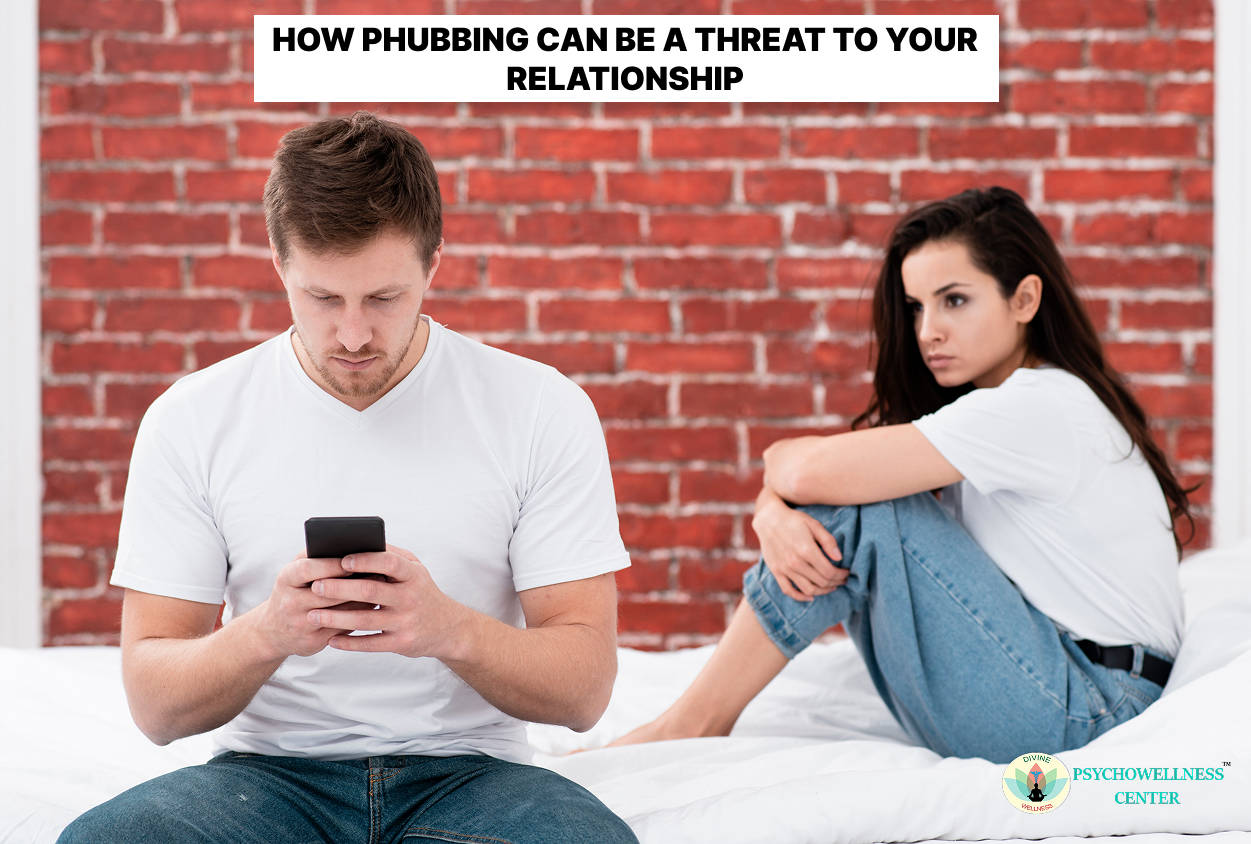
Studies have consistently demonstrated a strong relationship between phubbing and lower relationship satisfaction. Partnerphubbing, a specific type of phubbing that involves ignoring a romantic partner, has been linked to feelings of jealousy, emotional disconnection, and reduced relationship quality (Király et al., 2019). The underlying mechanism for this relationship may lie in the way phubbing affects emotional connection and intimacy. As people increasingly rely on their phones, they may neglect opportunities for face-to-face interaction, which is essential for building and maintaining strong relationships.
Emotional Loneliness as a Mediator
Research suggests that emotional loneliness plays a critical role in the relationship between phubbing and relationship satisfaction. Emotional loneliness, characterized by feelings of isolation and disconnection from others, is a significant predictor of lower relationship satisfaction. Studies have shown that individuals who experience higher levels of emotional loneliness are more likely to engage in phubbing behavior (Kim et al., 2012). Conversely, phubbing may also exacerbate feelings of emotional loneliness, creating a vicious cycle that undermines relationship achievements.
Relationship Satisfaction as a Consequence
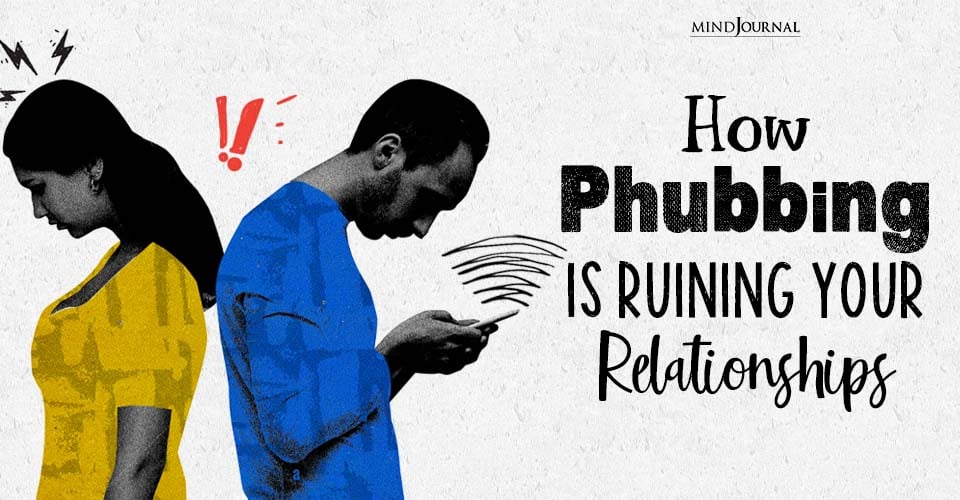
Relationship satisfaction is a key aspect of any romantic relationship. Unfortunately, phubbing has been linked to lower relationship satisfaction, as individuals who engage in this behavior may experience feelings of isolation, disconnection, and decreased intimacy (Misra et al., 2015). The causal relationship between phubbing and relationship satisfaction is complex, with emotional loneliness and attachment anxiety playing mediating roles. Individuals with insecure attachment styles may be more likely to engage in phubbing behavior, which can further erode relationship satisfaction.
Conclusion
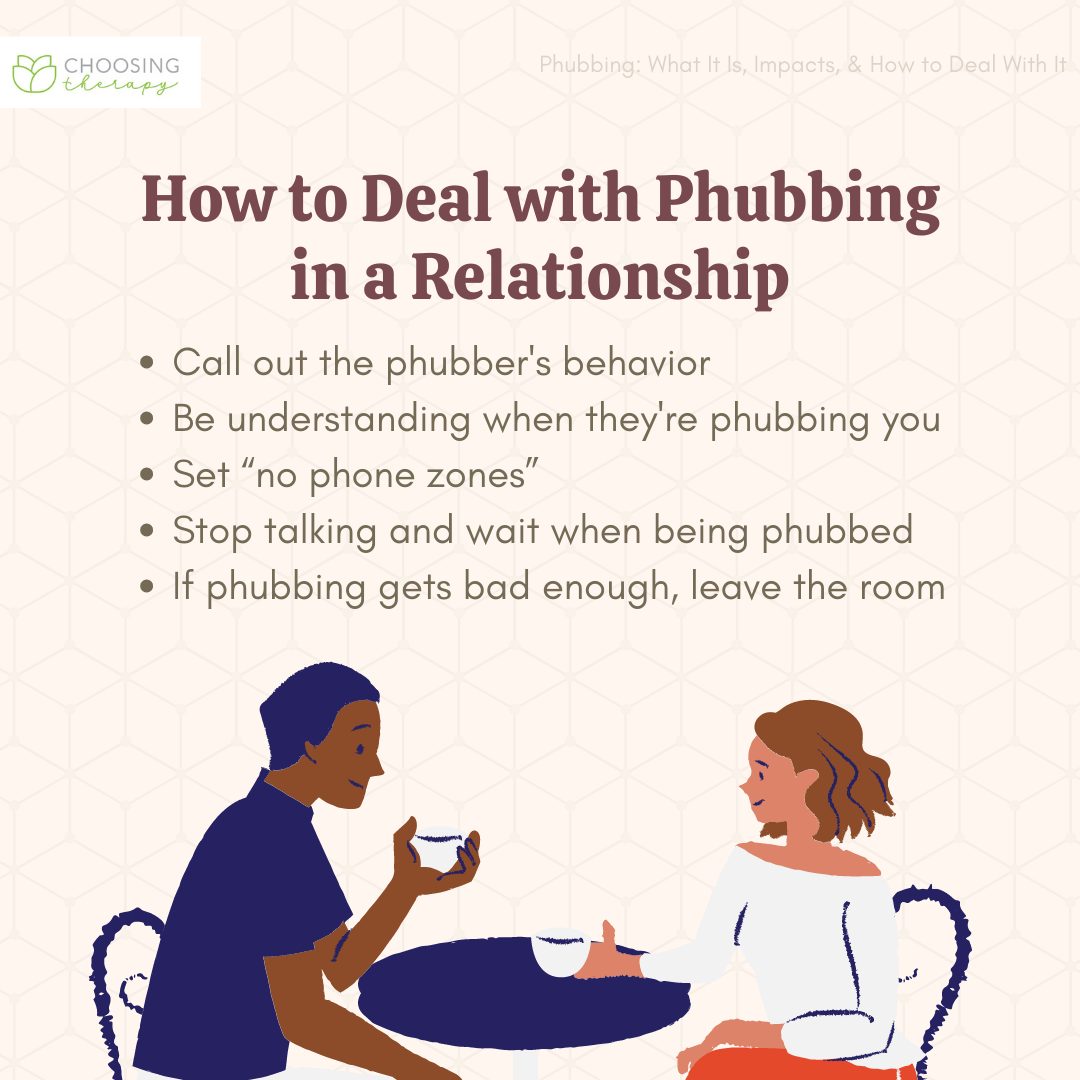
Phubbing has emerged as a significant concern in the digital age, with far-reaching consequences for romantic relationships. The causation of phubbing behind relationship achievements is a multifaceted issue, with emotional loneliness, attachment anxiety, and relationship satisfaction playing critical roles. As technology continues to shape our lives, it is essential to recognize the potential risks of phubbing and take proactive steps to mitigate its impact on relationships. By fostering face-to-face interaction, practicing empathy and active listening, and addressing underlying emotional concerns, individuals can cultivate healthier relationships and avoid the negative consequences of phubbing.
References
- Chotpitayasunondh, V., & Douglas, K. (2018). The effects of phubbing on relationships. Computers in Human Behavior, 81, 278-286.
- Király, O., Potenza, M. N., Stein, D. J., King, D. L., Hodgins, D. C., Saunders, J. B., & Demetrovics, Z. (2019). Mental health and addictive behaviors in young adults: a systematic review of clinical and neurobiological findings. Journal of Behavioral Addictions, 8(2), 147-162.
- Kim, J., Lee, Y., & Choi, S. (2012). Effects of phubbing on relationship satisfaction. Computers in Human Behavior, 28(6), 2264-2269.
- Misra, R., Bhatia, R., & Sharma, M. (2015). The effects of phubbing on romantic relationships. Computers in Human Behavior, 50, 236-244.







:max_bytes(150000):strip_icc()/CatherineFallsCommercial-b6fb2724e8ce48efbd17b9c7873d478c.jpg "What Is Phubbing? 11 Ways It Ruins Your Relationship")