Unlock the Power of Geometric Patterns
Geometric patterns have been a staple of art and design for centuries, adding depth, texture, and visual interest to various mediums, from fine art to graphic design. These patterns have evolved significantly over time, from ancient civilizations' use of sacred geometry to modern-day digital designs. In this blog post, we'll delve into the world of geometric patterns, exploring their history, significance, and creative applications.
A Brief History of Geometric Patterns
Geometric patterns date back to ancient civilizations, where artists and craftspeople utilized these designs to convey spiritual, cultural, and symbolic meanings. The Egyptians, Greeks, and Romans all used geometric patterns in their art, architecture, and decorative arts. These early designs featured simple shapes like triangles, circles, and squares, often repeated and combined to create intricate patterns.
As civilizations evolved, so did the complexity and intricacy of geometric patterns. Islamic art, for example, showcased stunning examples of geometric patterns, often featuring intricate mosaics and calligraphy. During the Art Deco period of the 1920s and 1930s, geometric patterns became an integral part of decorative arts, adorning wallpaper, furniture, and jewelry.
The Significance of Geometric Patterns
Geometric patterns hold a profound significance in various aspects of human culture and art. In many traditions, these patterns are believed to possess spiritual and symbolic meaning, representing the harmony and balance found in nature. Geometric patterns can also evoke feelings of nostalgia, from the intricate mosaic floors of ancient synagogues to the geometric designs of modern graffiti.
Furthermore, geometric patterns have played a significant role in the development of art and design. They have influenced the work of artists like M.C. Escher, who created stunning examples of tessellations, and the works of designers like Alexander Girard, who used geometric patterns in his textiles and furniture designs.
Types of Geometric Patterns
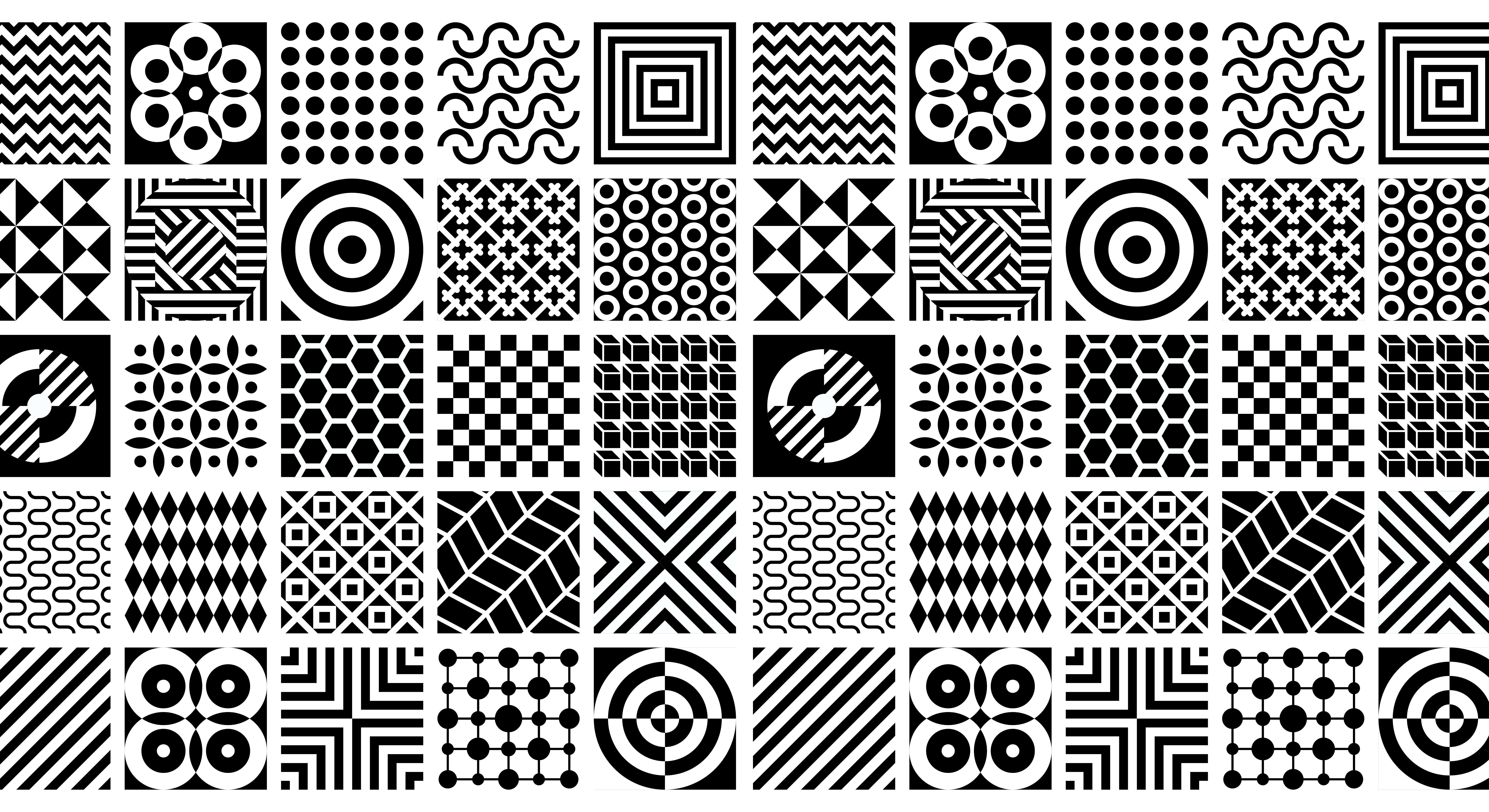
- Traditional Geometric Patterns: These patterns draw inspiration from ancient cultures, featuring simple shapes like triangles, circles, and squares.
- Mosaic Geometric Patterns: Characterized by small, uniform tiles or pieces arranged in a repeating pattern, mosaic geometric patterns are a staple of Islamic and Byzantine art.
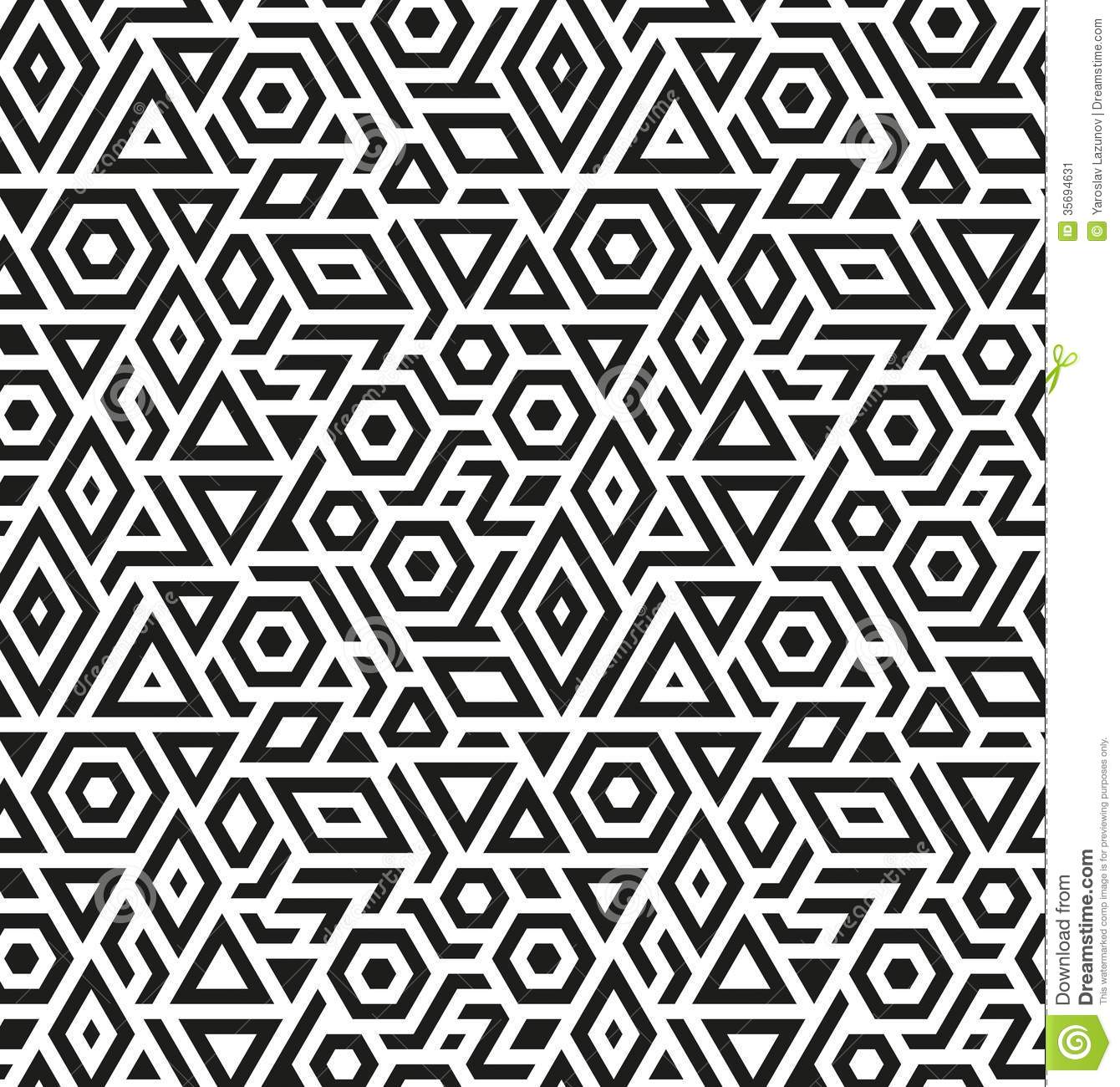
- Abstract Geometric Patterns: These patterns feature more complex shapes and forms, often distorted or abstracted from reality.
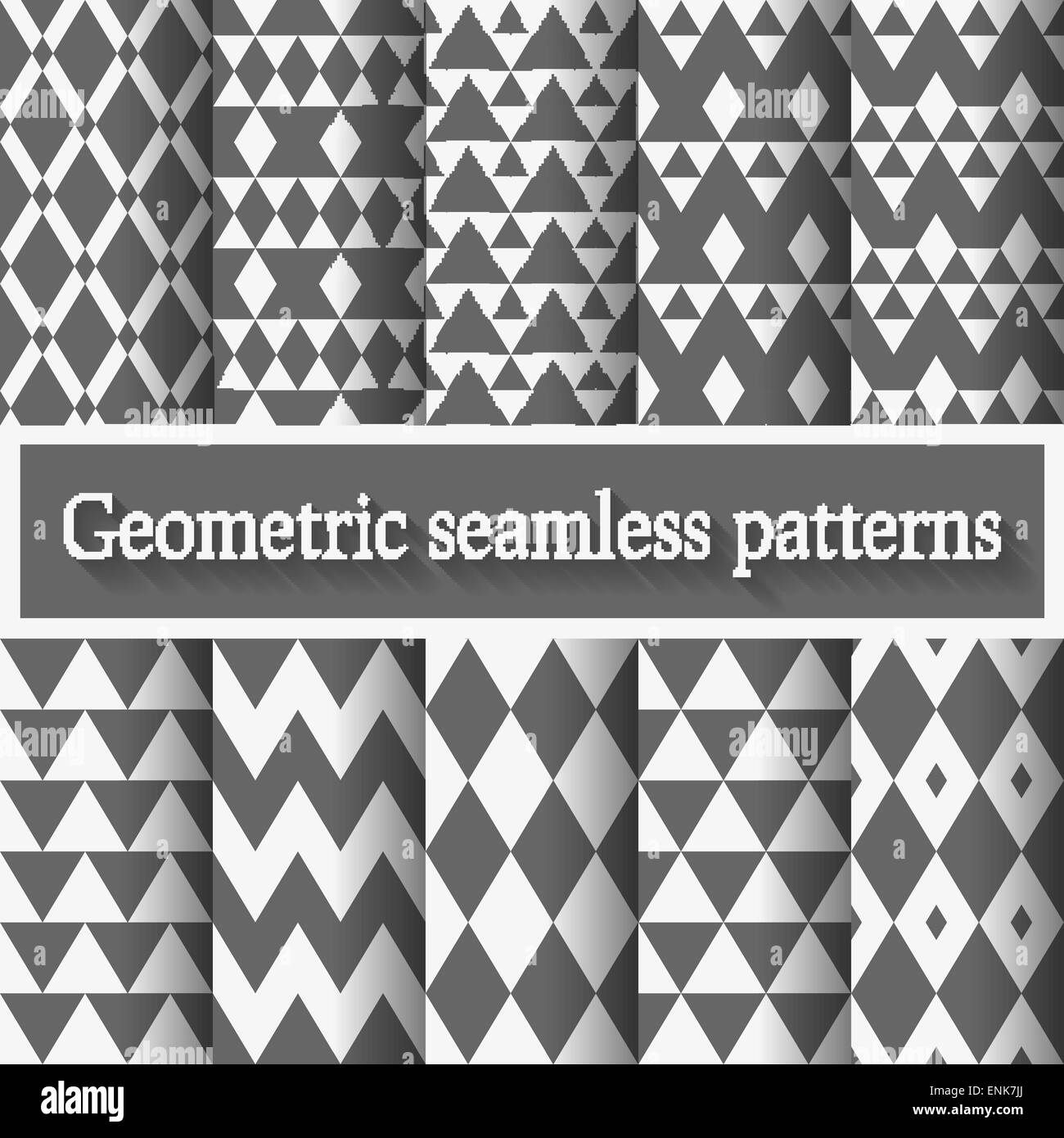
- Pixel Geometric Patterns: This modern style of geometric patterns uses pixels to create intricate and dynamic designs, often incorporating neon colors and futuristic themes.
Using Geometric Patterns in Design
Geometric patterns are a versatile and fascinating element in design, suitable for various mediums, from graphic design and illustration to interior decoration and architecture. When used effectively, geometric patterns can add visual interest, create texture, and convey symbolism or meaning.
Here are some tips for incorporating geometric patterns into your designs:
- Balance simplicity and complexity: Mix simple and intricate geometric patterns to add depth and visual interest.
- Experiment with color: Choose colors that complement the geometric pattern and enhance its visual impact.
- Pay attention to scale: Use geometric patterns at varying scales to create a sense of rhythm and balance.
- Play with textures: Combine digital and physical textures to add depth and tactility to your designs.
Conclusion
Geometric patterns are an integral part of art, design, and culture, offering a wealth of creative possibilities. From ancient civilizations to modern-day design trends, these patterns have continued to evolve, inspiring artists, designers, and craftpeople for centuries. By understanding the history and significance of geometric patterns, we can unlock their full potential and create inspiring, visually striking designs.
![30,000+ Geometric Patterns & Images [HD] - Pixabay](https://static.vecteezy.com/system/resources/previews/013/436/361/original/abstract-geometric-pattern-design-with-simple-geometric-shapes-and-basic-colorful-patterns-suitable-for-use-in-posters-background-images-website-design-branding-albums-typography-fashion-textur-vector.jpg "30,000+ Geometric Patterns & Images [HD] - Pixabay")




.jpg "Geometric Overlapping Pattern Rug - Etsy")