How to Reduce Acne on Cheeks: Tips and Remedies for a Clearer Complexion
Dealing with acne on your cheeks can be frustrating and affect your self-confidence. But, before we dive into the solutions, let's talk about the causes. It turns out, lifestyle and daily habits can play a huge part in causing acne on your cheeks. From hormonal fluctuations to poor skincare routines, there are many factors that can contribute to this common skin issue. In this article, we'll explore the causes of acne on cheeks, and more importantly, provide you with 14 tips on how to reduce acne on cheeks naturally. From home remedies to expert-approved treatments, we've got you covered.Causes of Acne on Cheeks
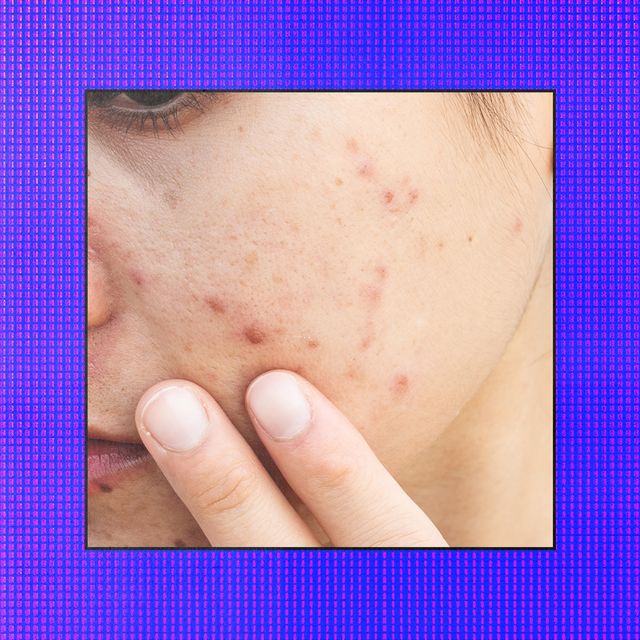
Acne on cheeks is primarily caused by the build-up of bacteria, oil, and dead skin cells, resulting in inflammation. This can be triggered by: * Hormonal fluctuations during puberty, menstruation, or menopause * Poor skincare routines that clog pores * Genetics * Stress * Certain medications * Nutritional deficienciesHow to Reduce Acne on Cheeks
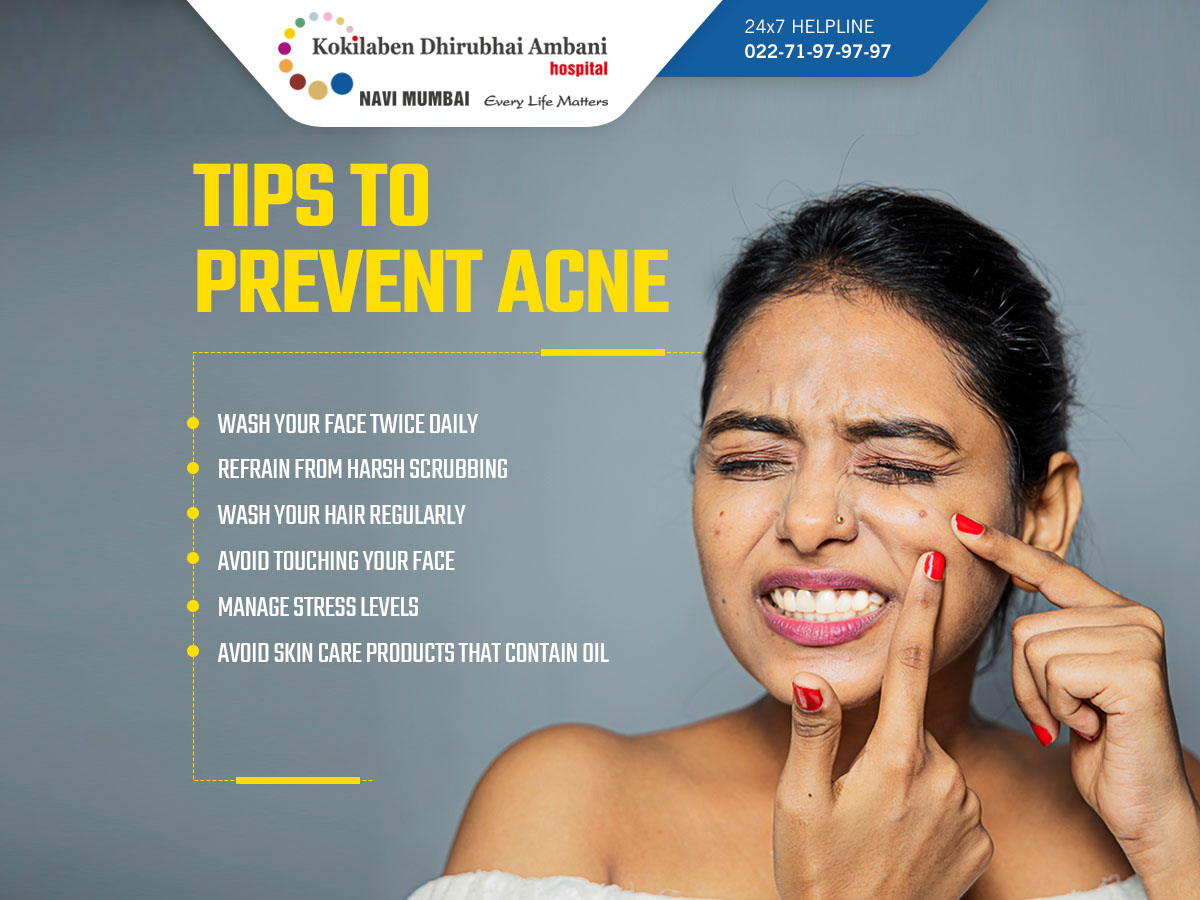
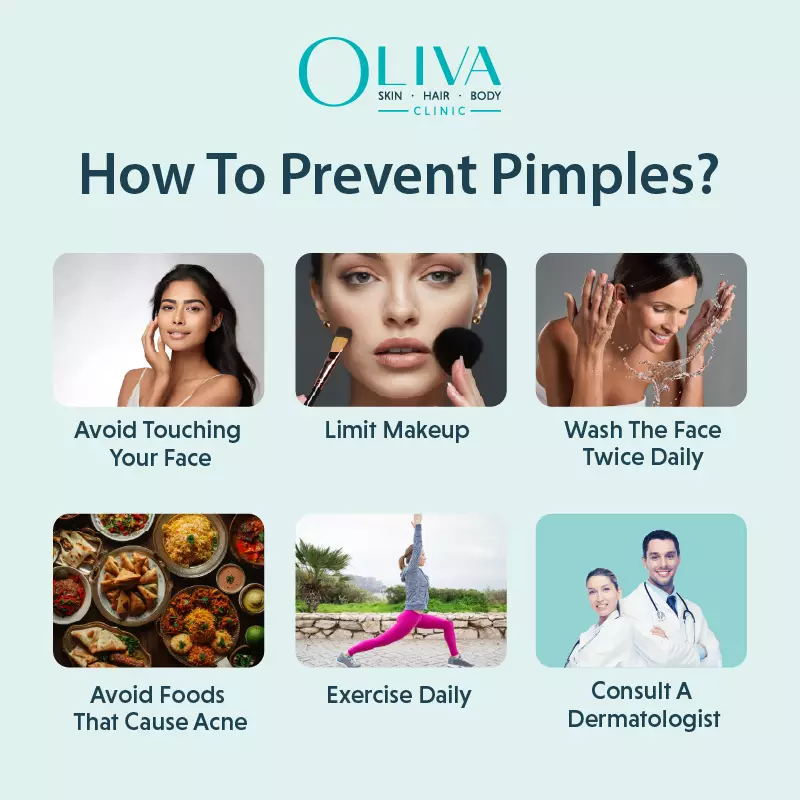
While there's no guaranteed method to prevent acne, you can still do a lot to keep your skin clear and healthy. Here are 14 tips to help you reduce acne on cheeks:- Establish a consistent skincare routine: Cleanse your face twice a day with a gentle cleanser, and follow up with a toner and moisturizer.
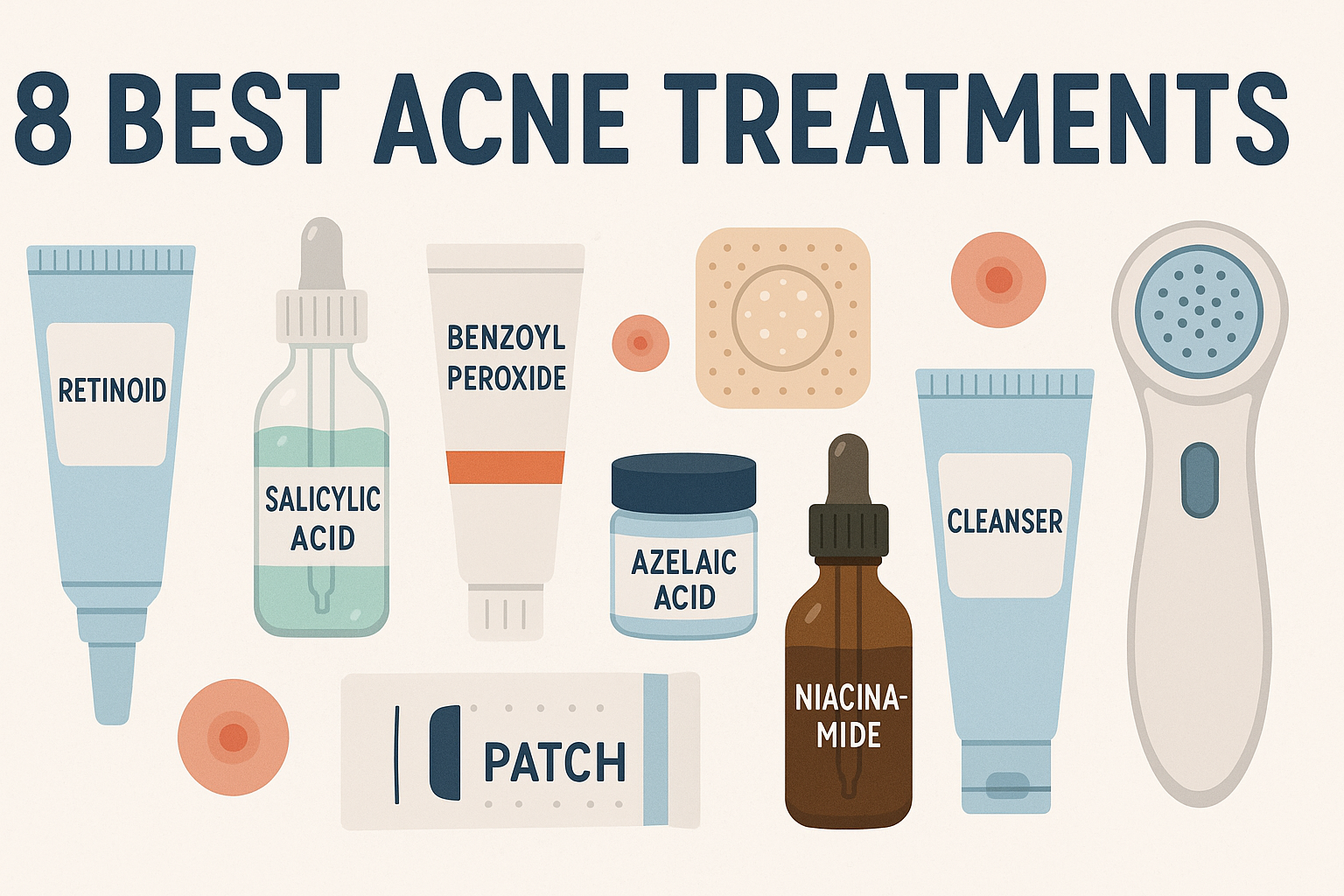
- Exfoliate regularly: Use a chemical exfoliant containing alpha-hydroxy acids (AHAs) or beta-hydroxy acids (BHAs) to remove dead skin cells and unclog pores.
- Use a clay mask: Clay masks can help absorb excess oil and reduce inflammation.
- Try a spot treatment: Apply a spot treatment containing salicylic acid or benzoyl peroxide to individual pimples to reduce inflammation and kill bacteria.
- Use a sulfur-based product: Sulfur has natural antibacterial and anti-inflammatory properties that can help reduce acne.
- Get enough sleep: Lack of sleep can lead to increased stress levels, which can trigger acne.
- Exercise regularly: Regular exercise can help reduce stress and improve circulation, which can help reduce acne.
- Eat a balanced diet: A diet rich in fruits, vegetables, and whole grains can help reduce inflammation and promote healthy skin.
- Stay hydrated: Drink plenty of water to keep your skin hydrated and plump.
- Manage stress: Stress can trigger hormonal imbalances that can lead to acne. Practice stress-reducing techniques like meditation or yoga.
- Avoid touching your face: Touching your face can transfer bacteria and oils from your hands to your face, clogging pores and causing acne.
- Use non-comedogenic products: Look for products labeled "non-comedogenic" or "oil-free" to avoid clogging pores.
- Consider red light therapy: Red light therapy has been shown to reduce inflammation and promote collagen production, which can help reduce acne.