How to Secure a Wifi Network with Network Segmentation
Modern businesses and homes rely heavily on Wireless Fidelity (Wifi) networks to facilitate communication, data transfer, and remote connections. However, with the rise in Wifi usage, security threats have also increased exponentially. One of the most effective ways to secure a Wifi network is through network segmentation.
What is Network Segmentation?
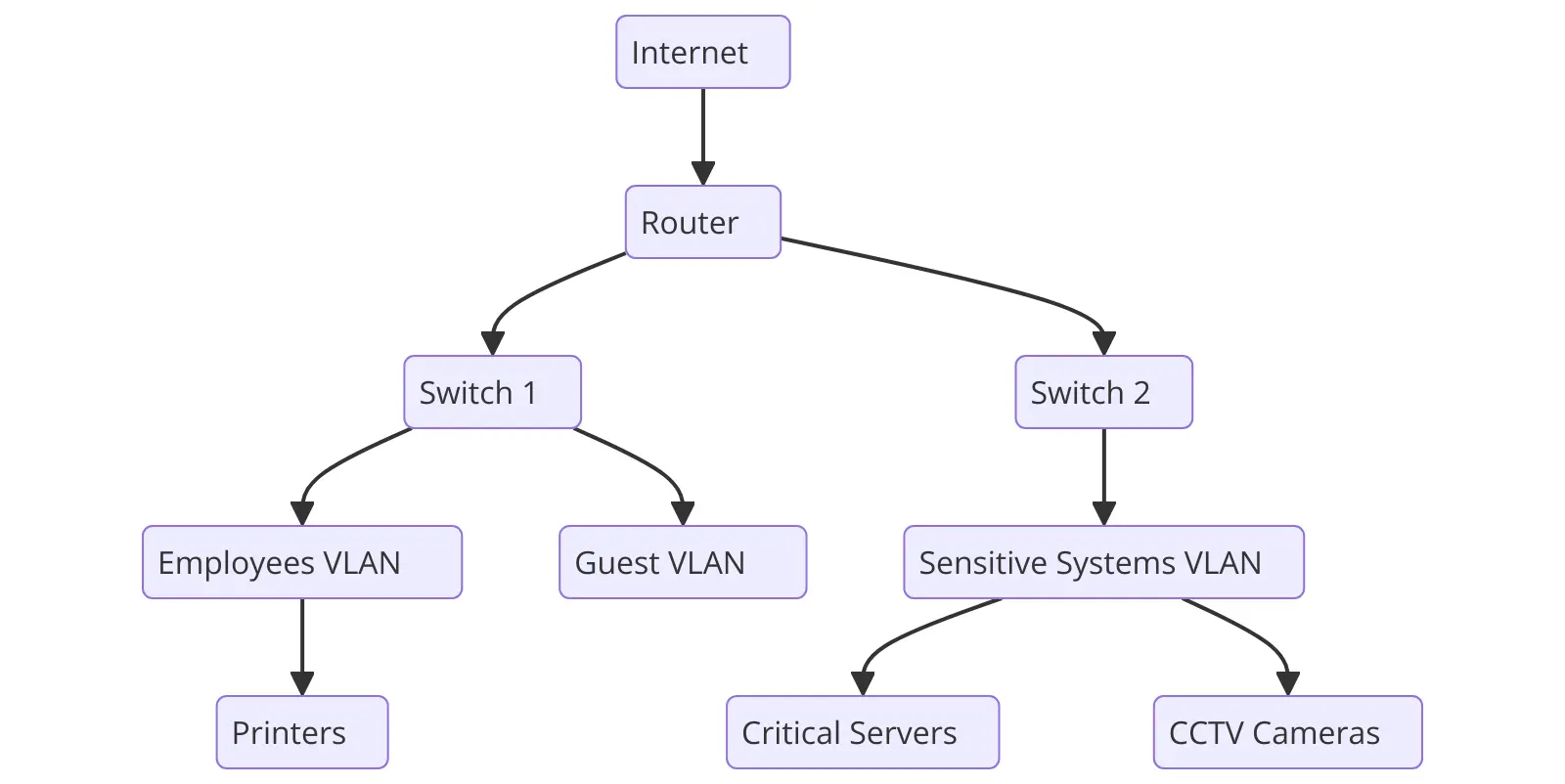
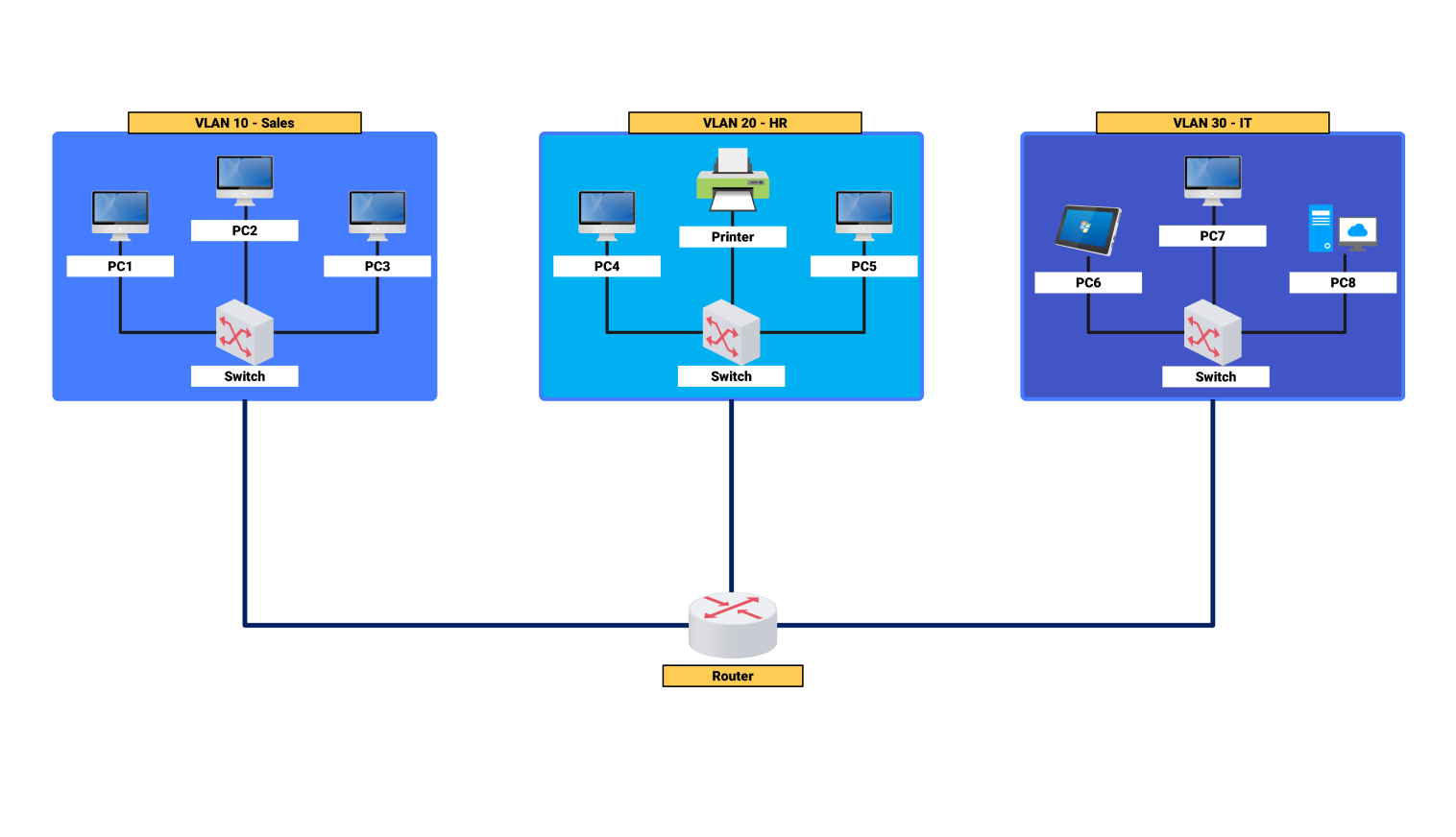
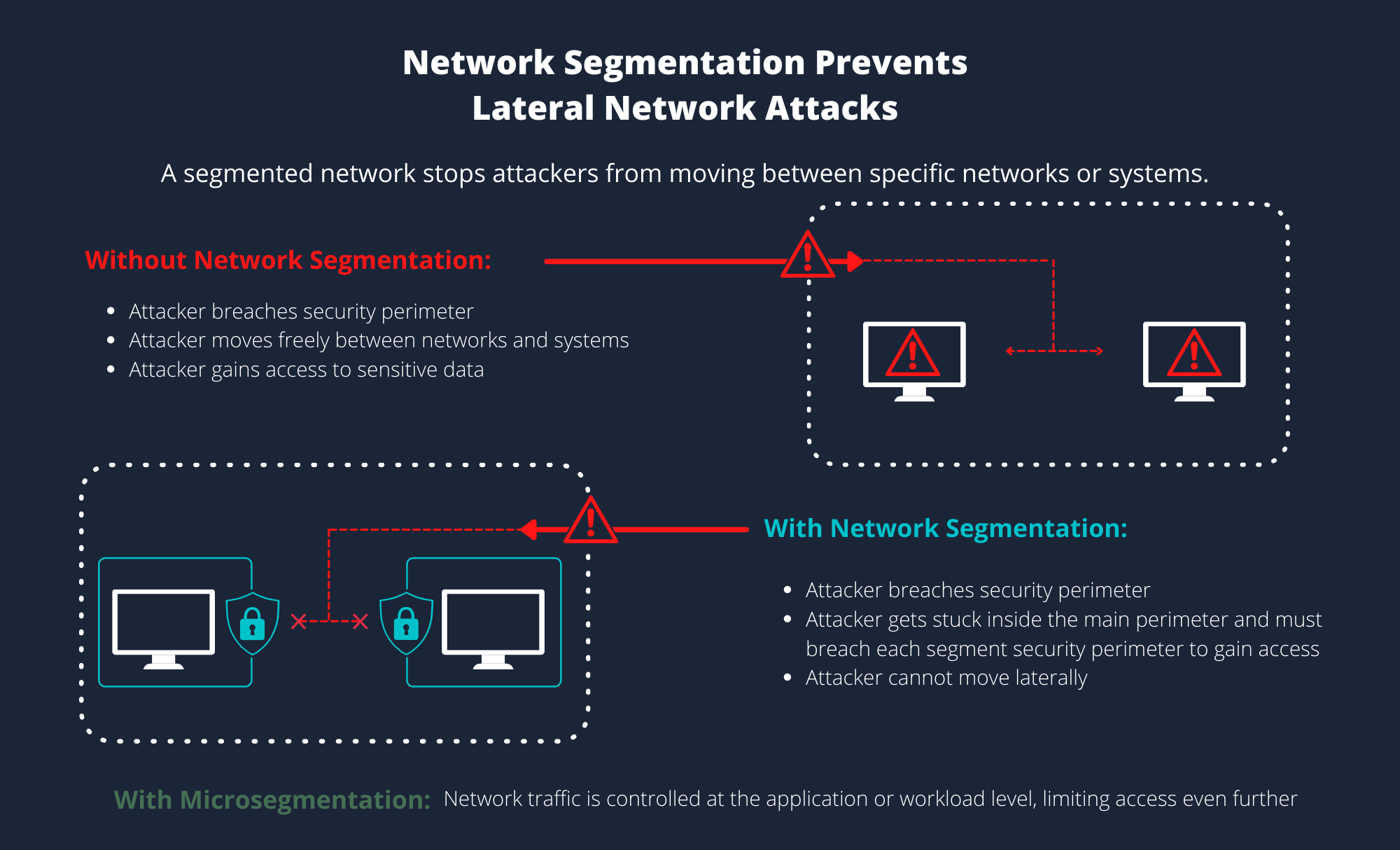
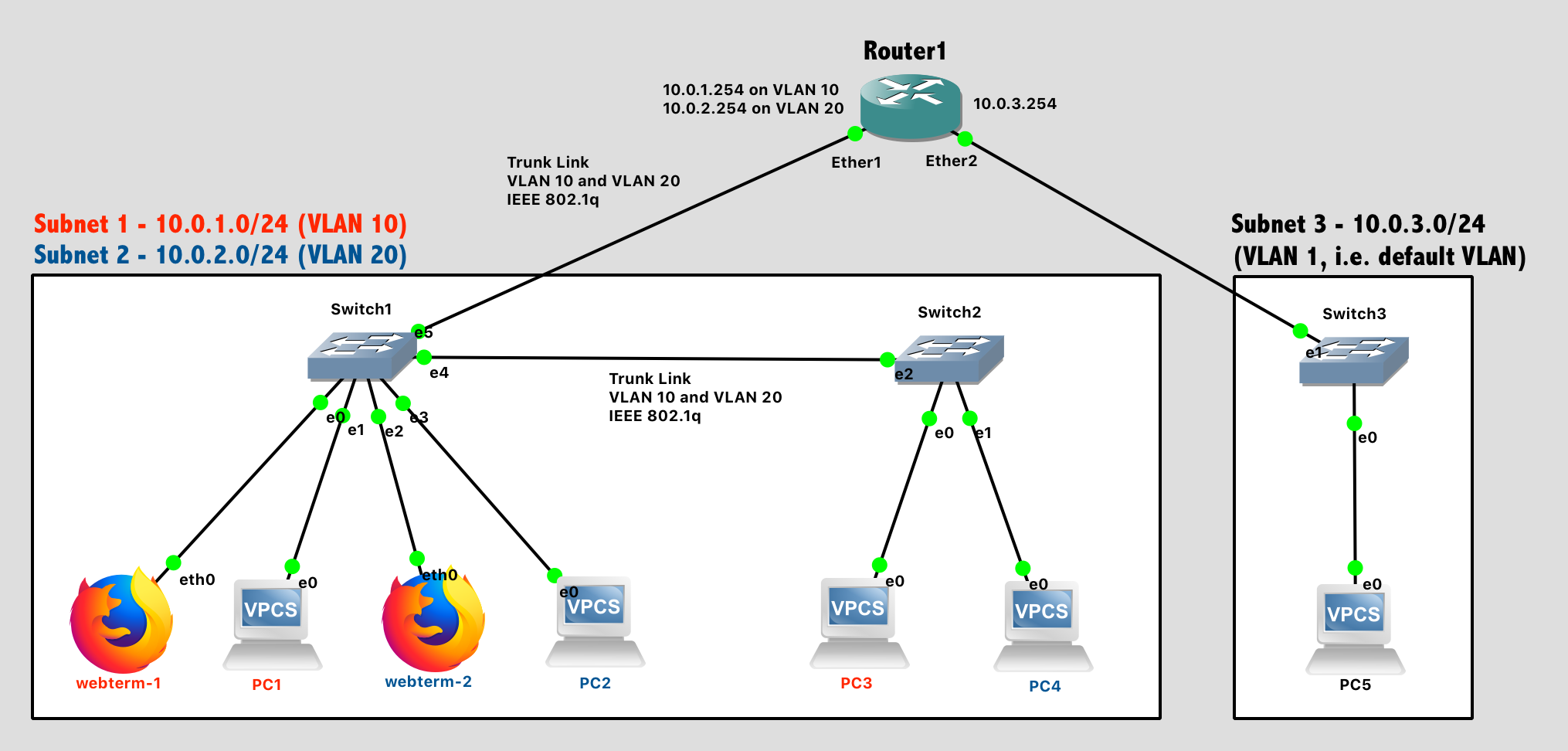
Network segmentation is a strategy that divides a single network into multiple isolated segments, each with its own security controls. This approach strengthens protection by restricting access, managing traffic flow, and containing threats within defined network boundaries.
Why is Network Segmentation Crucial for Wi-Fi Security?
Network segmentation is essential for improving security, performance, and manageability in Wifi networks. By dividing the network into isolated segments, you can:
- Restrict access to sensitive data and devices
- Manage traffic flow and reduce congestion
- Contain threats within defined network boundaries
- Improve performance by optimizing traffic
- Enhance security by restricting unauthorized access
Benefits of Network Segmentation for Wifi Networks
Network segmentation offers numerous benefits for Wifi networks, including:
- Improved security by restricting access to sensitive data and devices
- Enhanced performance by optimizing traffic flow
- Simplified network management by isolating segments
- Reduced risk of data breaches and cyber threats
- Improved compliance with regulatory requirements
Best Practices for Implementing Network Segmentation in Wifi Networks
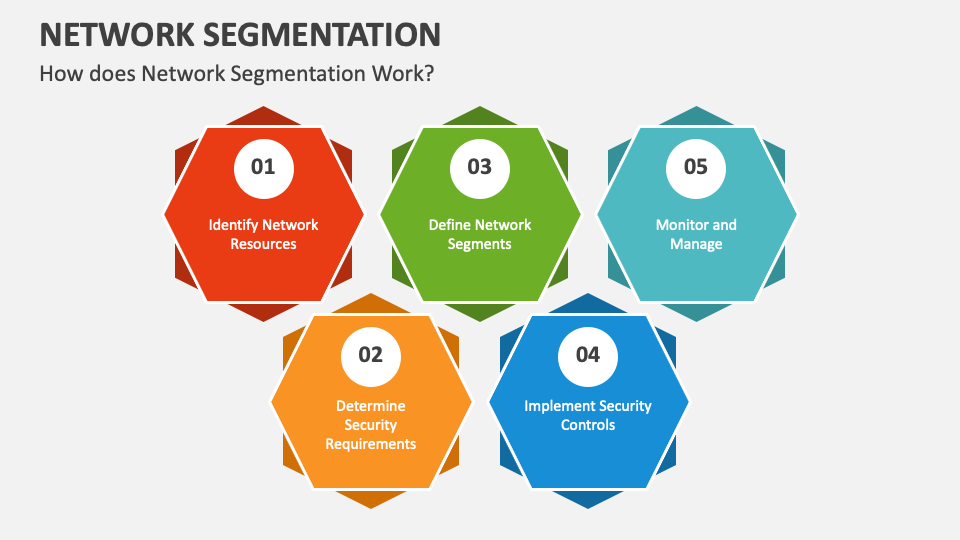
To effectively implement network segmentation in Wifi networks, follow these best practices:
- Identify and group assets based on importance and access needs
- Define segmentation policies for access control, encryption, and segmentation techniques
- Implement firewalls and intrusion detection systems to monitor and control network traffic
- Regularly update firmware and software to ensure the latest security patches
- Monitor network traffic and segment behavior to identify potential threats
Real-World Examples of Network Segmentation in Action
Network segmentation has been successfully implemented in various industries, including:
- Healthcare: Segmenting patient data and medical devices to prevent unauthorized access
- Finance: Segmenting financial data and transactions to prevent cyber threats
- Education: Segmenting student data and devices to prevent unauthorized access
Conclusion
Network segmentation is a powerful tool for securing Wifi networks and protecting against cyber threats. By dividing the network into isolated segments, you can improve security, performance, and manageability, while reducing the risk of data breaches and cyber threats. Implementing network segmentation best practices, as outlined in this article, can help ensure the security and integrity of your Wifi network.
Key Takeaways
- Network segmentation divides a single network into multiple isolated segments, each with its own security controls.
- Network segmentation strengthens protection by restricting access, managing traffic flow, and containing threats within defined network boundaries.
- Network segmentation offers numerous benefits for Wifi networks, including improved security, enhanced performance, simplified management, and reduced risk of data breaches and cyber threats.
- To effectively implement network segmentation, identify and group assets, define segmentation policies, implement firewalls and intrusion detection systems, regularly update firmware and software, and monitor network traffic and segment behavior.