Information Overload in the 21st Century: A Perpetual Challenge
The exponential growth of digital information has led to the pervasive problem of information overload, affecting decision-making, productivity, and well-being. As we navigate the complexities of the 21st century, it's essential to understand the causes and effects of information overload and explore strategies for managing it.
Causes of Information Overload in the 21st Century
- Exponential Growth of Digital Information**: The sheer volume of digital information available today is staggering. According to Bawden and Robinson, "more information was created in the last three decades of the 20th century than in the previous 5000 years."
- Advances in Technology**: The proliferation of screens and digital devices has increased the amount of information we're exposed to daily. As Paul J. Unger stresses, "150 emails, 50 instant messages, 20 telephone calls, 15 walk-in interruptions, 25 social media notifications, and 50 email or internet curiosity breaks" can lead to information overload.
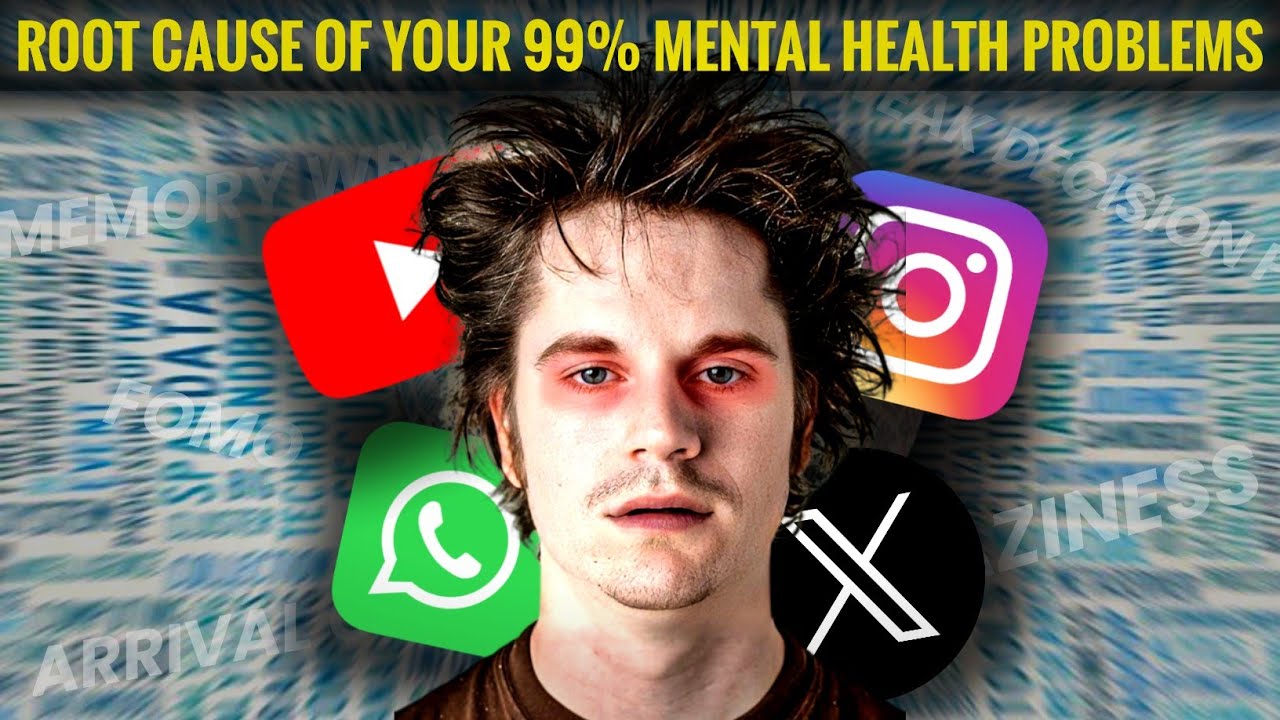
- Social Media**: Social media platforms like Facebook, Twitter, and Instagram have created an ecosystem of information overload, where users are bombarded with messages, news, and advertisements.
- Digital Addiction**: The constant connectedness offered by digital devices can lead to addiction, making it challenging for individuals to disconnect and manage information effectively.
Effects of Information Overload in the 21st Century
- Decision Fatigue**: Information overload can lead to decision fatigue, making it challenging to make informed decisions.
- Decreased Productivity**: Excessive information intake can hinder productivity, causing individuals to feel overwhelmed and less able to prioritize tasks effectively.
- Sleep Disturbances**: Exposure to screens and the constant stream of information can disrupt sleep patterns, leading to fatigue, anxiety, and depression.
- Decreased Creativity**: Information overload can stifle creativity, making it difficult for individuals to think critically and outside the box.
Strategies for Managing Information Overload in the 21st Century

- Time Management**: Prioritize tasks, set boundaries, and allocate time for focused work and relaxation.
- Information Filtering**: Develop strategies for filtering information, such as using RSS feeds, newsletters, or social media aggregators.
- Mindful Digital Consumption**: Practice mindful consumption of information, avoiding mindless scrolling and focusing on critical tasks.
- Self-Care**: Engage in self-care activities, such as exercise, meditation, or hobbies, to mitigate the effects of information overload.
- Distraction-Reducing Tools**: Utilize tools like website blockers, apps, or browser extensions to minimize distractions and optimize focus.
Conclusion
Information overload in the 21st century is a pervasive problem that affects individuals, organizations, and society as a whole. By understanding the causes and effects of information overload and adopting effective strategies for managing it, we can mitigate its negative impacts and maintain productivity, creativity, and well-being.







![[FREE] What are the categories within digital information and literacy ...](https://www.stepbystep.com/wp-content/uploads/2013/06/How-to-Avoid-Information-Overload.jpg "[FREE] What are the categories within digital information and literacy ...")
