Identity Protection for Financial Advisors: A Guide to Safeguarding Your Clients and Your Firm
As a financial advisor, you're entrusted with sensitive and confidential information about your clients' financial lives. With the rising threat of identity theft and financial fraud, it's essential to prioritize identity protection for financial advisors like yourself and the clients you serve. In this article, we'll explore the importance of identity protection, the risks of non-compliance, and provide actionable tips to safeguard your clients' and your firm's confidential data.The Importance of Identity Protection for Financial Advisors
As financial advisors, you handle a vast amount of personally identifiable information (PII) about your clients, including their financial accounts, investment portfolios, and tax records. This sensitive information makes your clients vulnerable to identity theft, financial fraud, and privacy violations. According to the FTC, identity theft costs Americans an estimated $56 billion annually, with financial services being a prime target.Compliance and Regulation
Regulation S-ID, which applies to registered advisers, and the FTC's Red Flags Rule, which applies to private advisers, require financial institutions and advisors to adopt a written identity theft prevention program designed to detect and respond to potential identity theft red flags. The proposed rule would require SEC-registered investment advisers to implement a customer identification program (CIP) to verify the identities of customers and prevent identity theft. As a financial advisor, it's crucial to understand these regulations and implement the necessary measures to protect your clients and your firm.The Risks of Non-Compliance
Failure to implement an effective identity protection program can result in severe consequences, including: * Fines and penalties for non-compliance * Damage to your professional reputation * Loss of client trust and business * Financial burdens of identity theft and related costsBest Practices for Identity Protection
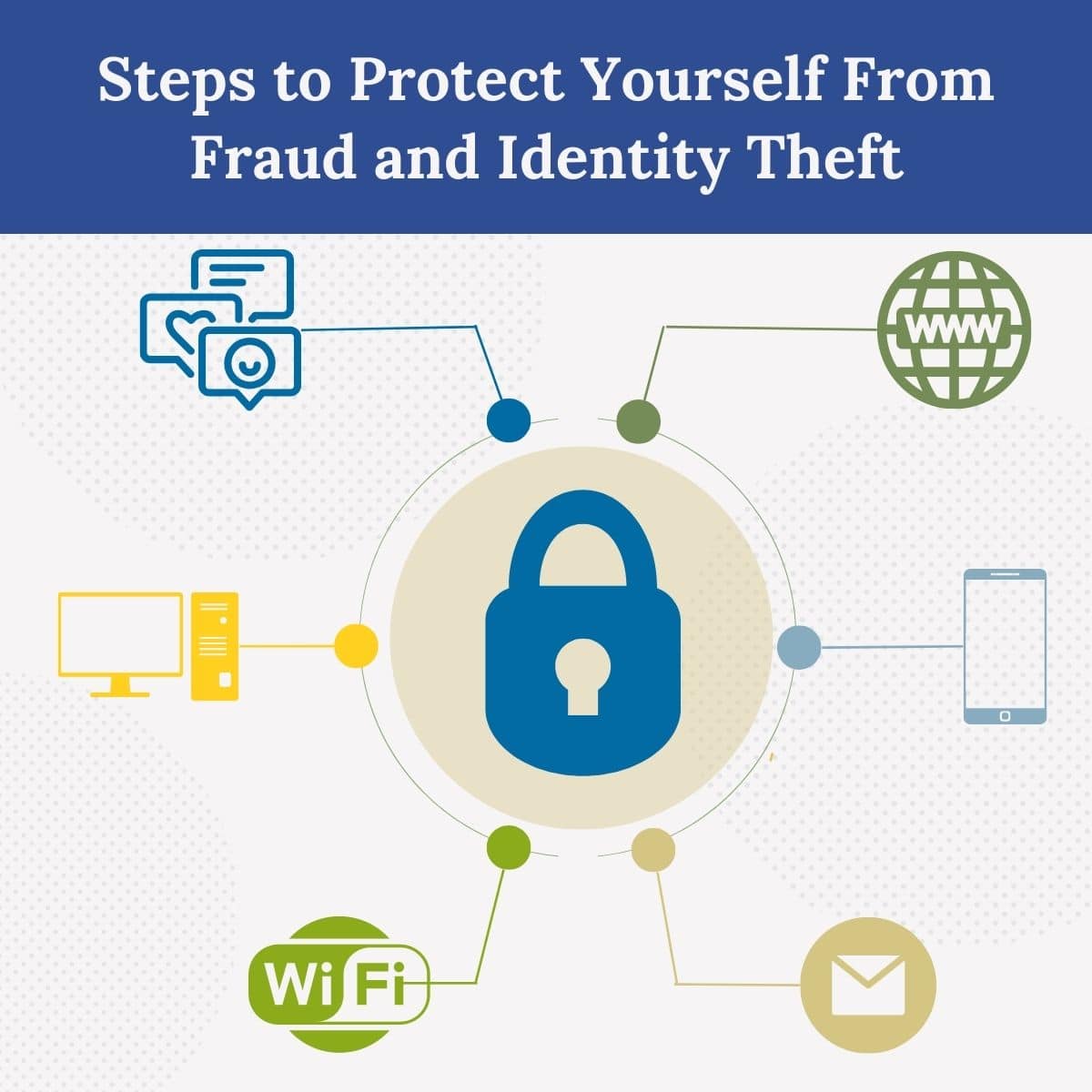
To safeguard your clients' and your firm's confidential data, consider the following best practices: * **Implement a robust identity theft prevention program** * **Verify customer identities using reliable methods** * **Monitor client accounts and transactions regularly** * **Train employees to recognize and report suspicious activity** * **Stay up-to-date with regulatory requirements and updates**Identity Theft Protection Services for Financial Advisors
Conclusion
Identity protection for financial advisors is a pressing concern in today's digital age. By prioritizing compliance, implementing robust identity theft prevention programs, and leveraging the right identity theft protection services, you can ensure the security and trust of your clients and your firm. Stay ahead of the threats and maintain a strong reputation in the industry by safeguarding your clients' and your firm's confidential data.Learn how Financial Advisors can maintain the trust of their clients by providing them with expert identity protection information and solutions.
- Advice and insights on how to create a strong data security environment.
- Analysis of emerging security threats and their implications on financial advisors.
- Expert advice on the development of robust identity theft prevention programs.
- Compliance and security regulations, their reasoning and implications