Is Tylenol Safe for Dogs? A Comprehensive Guide
As a responsible dog owner, you want to provide the best possible care for your furry friend. However, when it comes to pain relief and fever reduction, it's essential to know the risks associated with administering human medication, specifically Tylenol (acetaminophen), to your dog. In this article, we'll delve into the safety of Tylenol for dogs, explore the potential risks, and discuss alternative pain relief options.Understanding Tylenol (Acetaminophen)
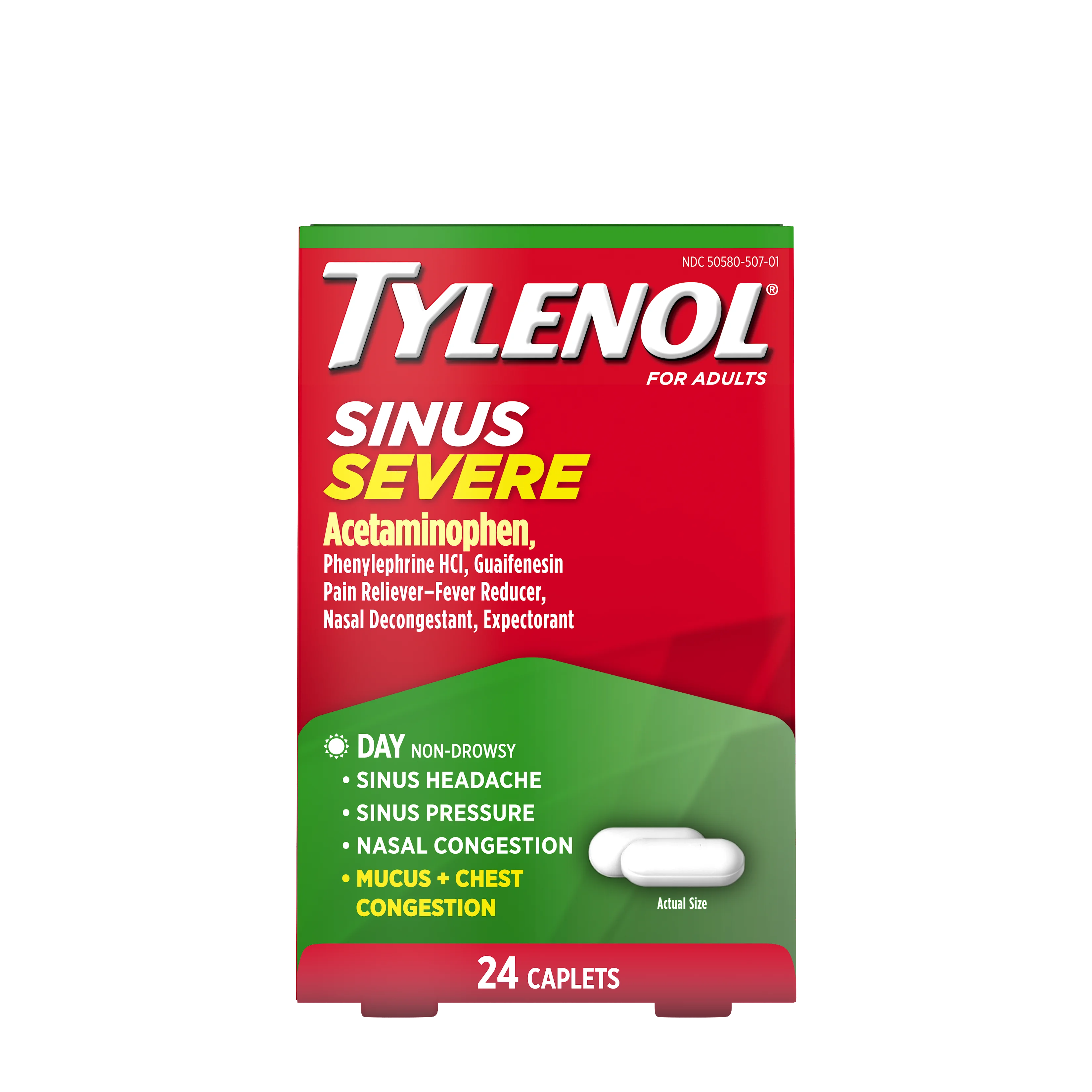
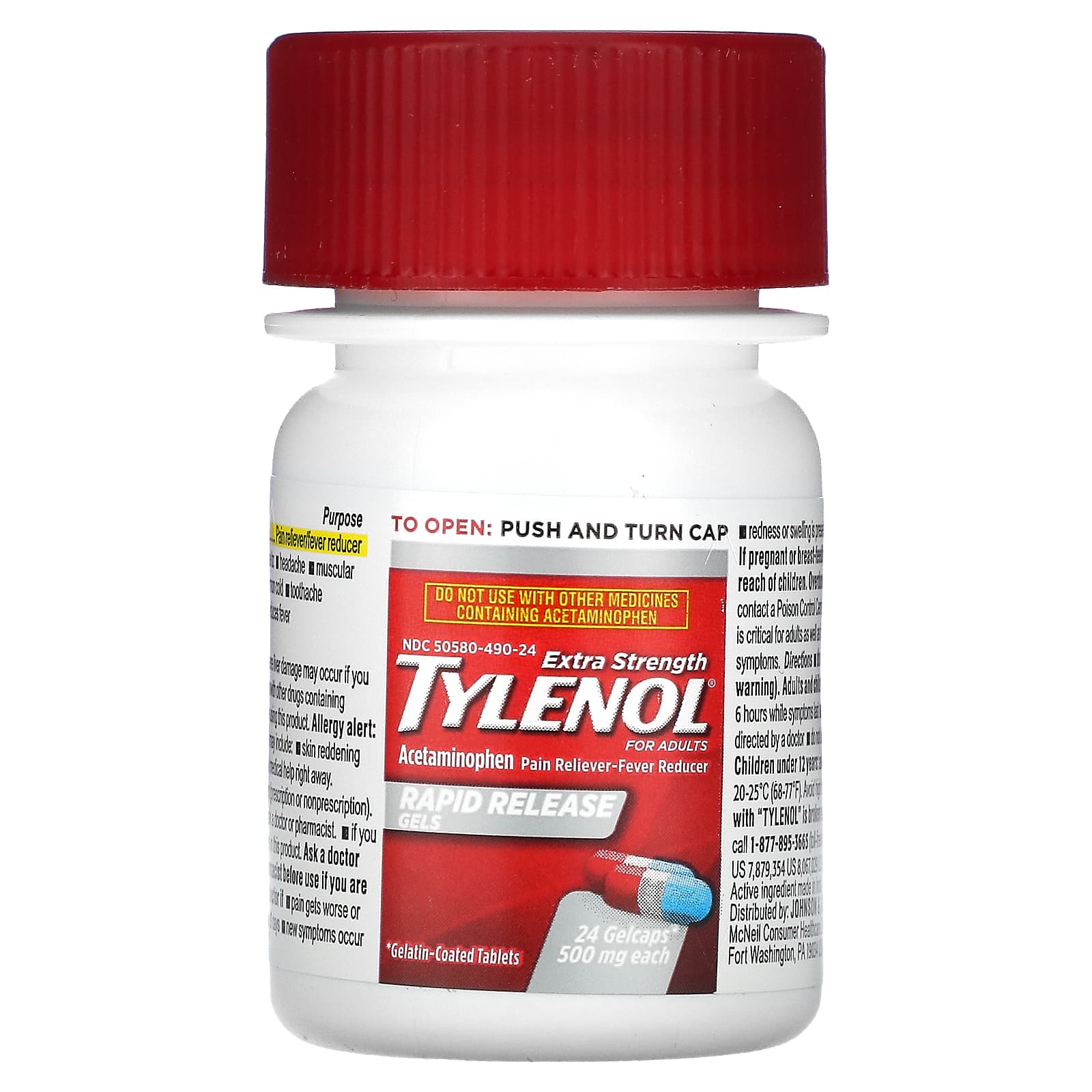
Tylenol, also known as acetaminophen, is a widely used over-the-counter pain reliever and fever reducer for humans. It's available in various forms, including tablets, capsules, and liquids. However, when it comes to dogs, the situation is more complex.Risks Associated with Tylenol for Dogs
While Tylenol may seem like a harmless medication for humans, it can be toxic to dogs. The active ingredient, acetaminophen, can cause liver damage, interfere with the blood's ability to carry oxygen, and lead to severe health complications in canines. According to the American Society for the Prevention of Cruelty to Animals (ASPCA), Tylenol is one of the most common human medications that can poison dogs.Side Effects of Tylenol in Dogs
If your dog ingests Tylenol, they may exhibit the following side effects: * Vomiting * Diarrhea * Abdominal pain * Increased heart rate * Seizures * Coma * Liver failureAlternatives to Tylenol for Pain Relief in Dogs
When it comes to pain relief for dogs, there are safer alternatives to Tylenol. Consult with your veterinarian to determine the best course of treatment for your dog's specific condition. Some options include: * Non-Steroidal Anti-Inflammatory Drugs (NSAIDs): These medications, such as carprofen (Rimadyl) and meloxicam (Metacam), can help reduce pain and inflammation in dogs. * Corticosteroids: These medications can help alleviate pain and inflammation, but they should be used with caution due to potential side effects. * Pain Management Creams: Topical creams, such as capsaicin cream, can provide pain relief without the need for systemic medication.How to Administer Medication to Dogs
If your veterinarian prescribes medication for your dog, it's essential to follow their instructions carefully. Here are some general tips for administering medication to dogs: * Always read the label carefully and follow the dosage instructions. * Use a measuring cup or a dropper to ensure accurate dosing. * Administer the medication at the same time every day to maintain a consistent routine. * Monitor your dog's response to the medication and report any adverse effects to your veterinarian.Conclusion