How to Write a Professional Summary for a Resume
When it comes to job applications, your resume is often the first point of contact with prospective employers. It's essential to make a good impression right from the start, and that's where your resume summary comes in. A well-crafted summary can help clarify your skill set, introduce your most relevant experience, skills, and achievements, and increase the chances of getting noticed by hiring managers. In this article, we will explore the importance of writing a professional summary for a resume, provide a step-by-step guide on how to write a comprehensive summary, and offer expert tips and examples to help you stand out in the job market.Why a Resume Summary is Crucial?
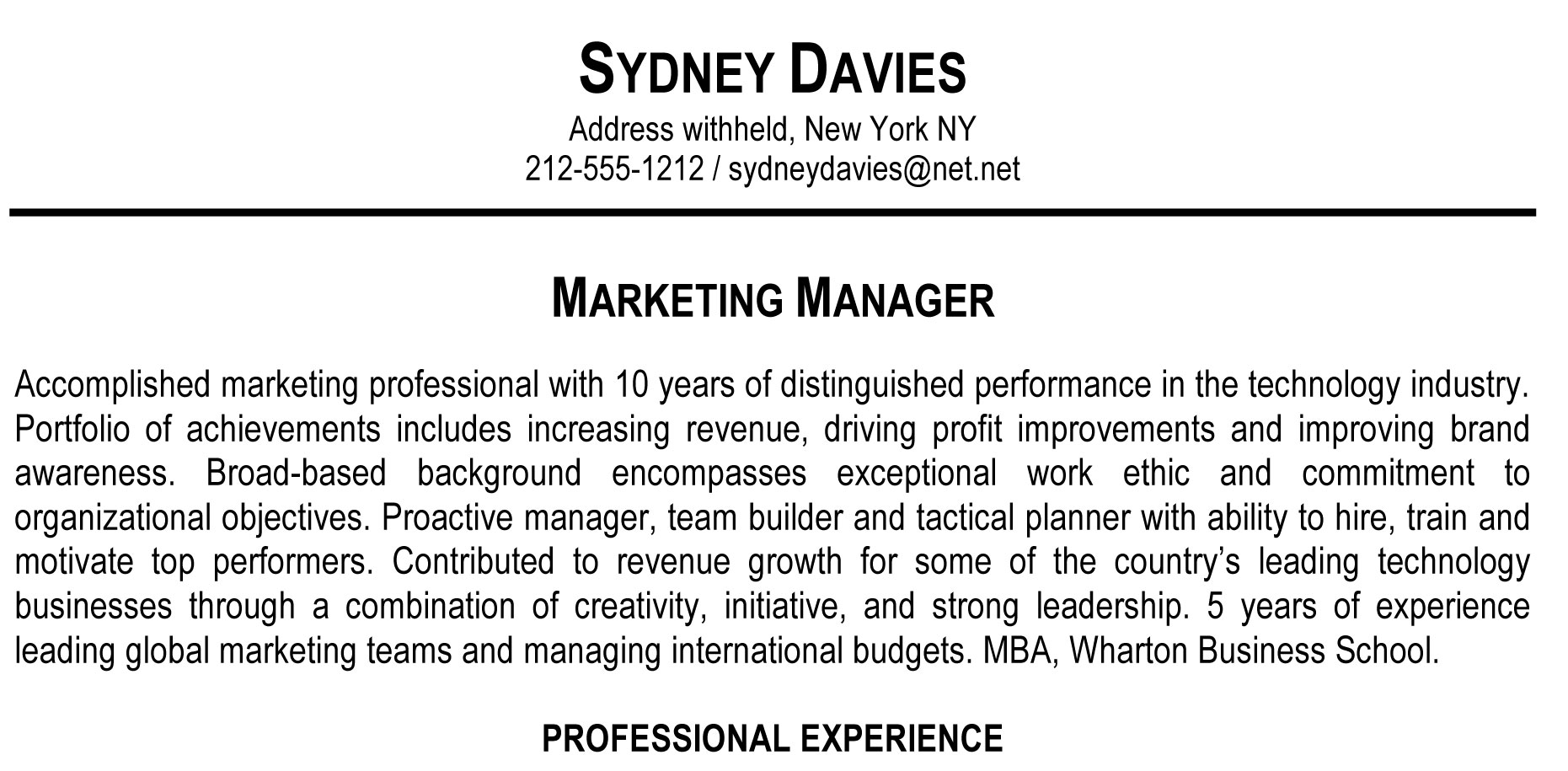
Your resume summary is a brief statement at the top of your resume. It serves as an introduction to your professional brand, highlighting your most relevant skills, experience, and achievements. A well-written summary can help differentiate you from other candidates, showcasing your unique strengths and qualifications for the job.How to Write a Professional Summary for a Resume
Writing a professional summary requires attention to detail, clarity, and relevance. Here's a step-by-step guide to help you craft a compelling summary:1. Define Your Objective
Before starting to write your summary, identify the job you're applying for and the keywords used in the job description. Tailor your summary to align with the job requirements, highlighting your relevant skills, experience, and achievements.2. Highlight Your Most Relevant Experience and Skills
Focus on the most important aspects of your career, including your years of experience, professional achievements, and transferable skills. Use bullet points and concise language to make it easy to read and understand.3. Quantify Your Achievements
Use specific numbers and metrics to demonstrate the impact of your work. For example, instead of stating that you "increased sales," say "grew sales by 25% within six months."4. Use Keywords and Phrases
Incorporate relevant keywords and phrases from the job description to show your expertise and fit for the role. This will also help your resume pass through applicant tracking systems (ATS).5. Keep it Concise and Focused