Managing Continuous Partial Attention in a Busy Office
Do you often find yourself feeling overwhelmed, stressed, and struggling to stay focused in a busy office environment? You're not alone. The modern workplace can be a breeding ground for distractions, and it's easy to get swept up in the vortex of continuous partial attention (CPA). But what is CPA, and how can we manage it to improve our productivity and overall well-being?
What is Continuous Partial Attention?
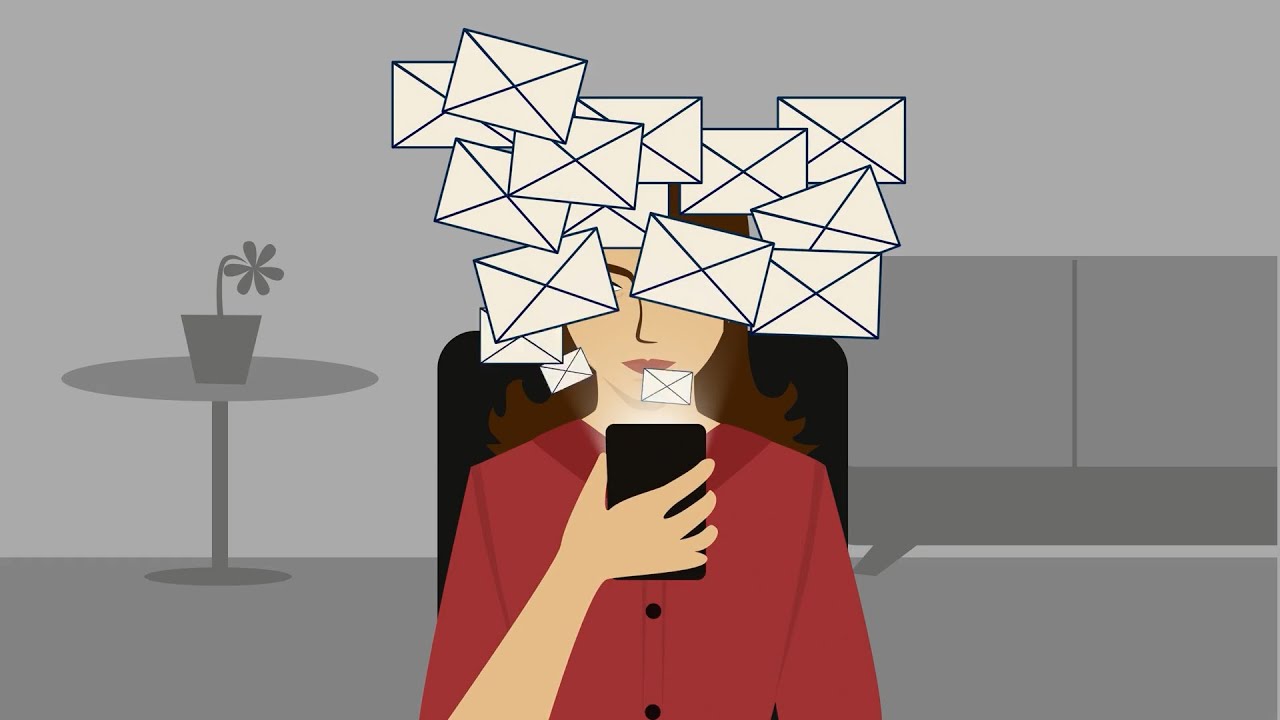
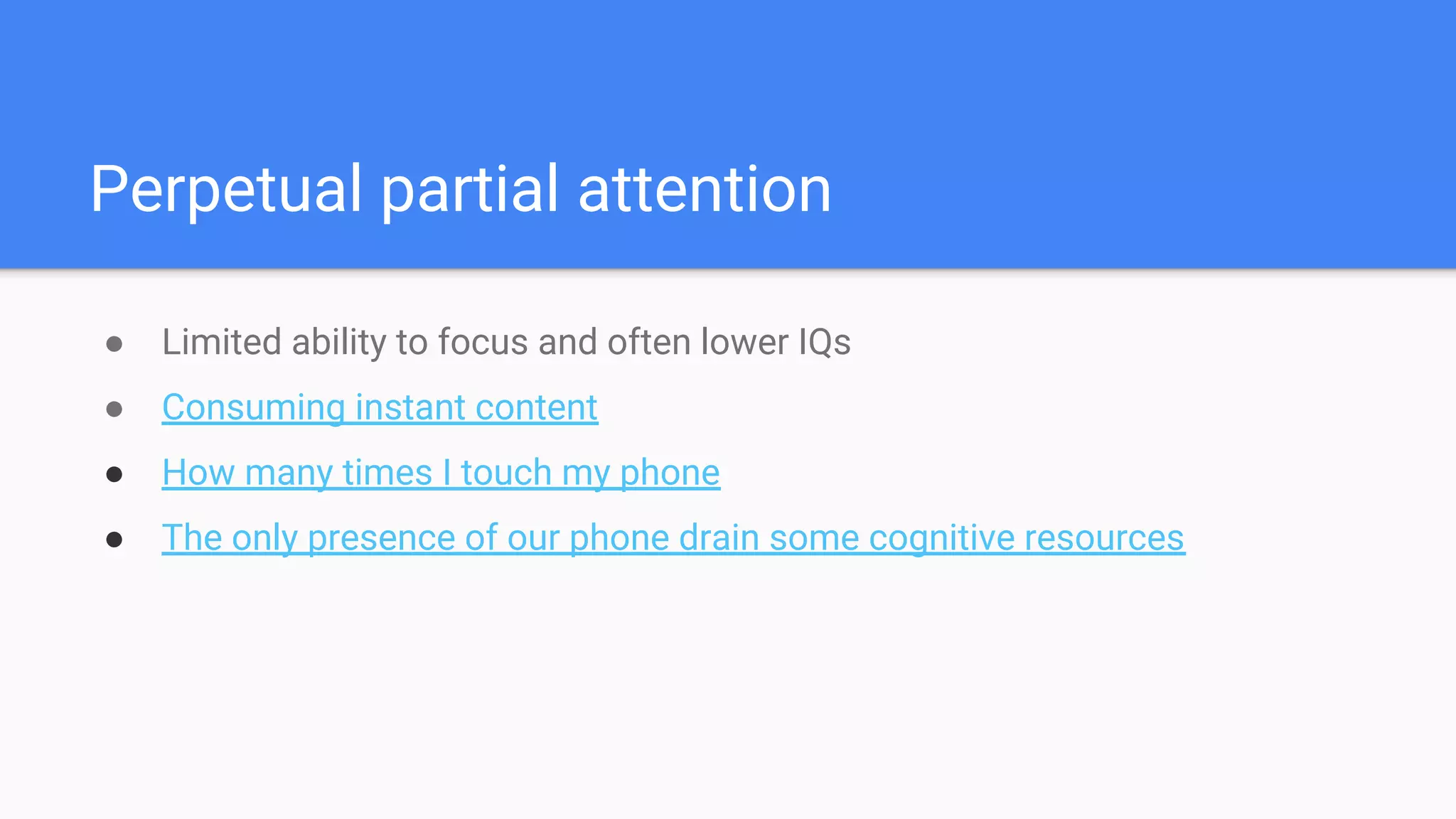
Continuous partial attention is a state of being constantly available and attentive to multiple sources of information, often simultaneously. This can manifest as checking email, social media, or news updates constantly, or feeling anxious or restless when not connected to our devices. It's a state of being driven by the desire to stay connected and aware of everything that's happening, all the time.
Former Apple and Microsoft executive Linda Stone coined the term "continuous partial attention" in 1998 to describe this phenomenon. Stone distinguishes CPA from multitasking, which is often driven by a desire to be productive and efficient. Instead, CPA is motivated by a desire to stay connected and alert to the best opportunities.
The Dangers of Continuous Partial Attention
CPA can have serious consequences for our mental and physical health, as well as our productivity and relationships. When we're constantly switching between tasks and sources of information, we can experience increased stress and decreased ability to focus and concentrate. This can lead to overstimulation, a lack of fulfillment, and a sense of being stuck in a never-ending cycle of distractions.
- Increased stress and anxiety
- Decreased ability to focus and concentrate
- Overstimulation and a lack of fulfillment
- Strained relationships and decreased productivity

Managing Continuous Partial Attention in a Busy Office
So, how can we manage CPA and stay focused in a busy office environment? Here are some practical strategies to get you started:
- Set clear boundaries: Establish clear boundaries around your work and personal life, including specific times for checking email and social media.
- Use technology strategically: Use productivity tools and apps to help you stay focused and on track, such as website blockers or apps that track time spent on tasks.
- Practice mindfulness: Regular mindfulness practice can help you develop greater awareness of your thoughts and emotions, making it easier to manage CPA.
- Take breaks: Regular breaks can help you recharge and reduce stress, making it easier to stay focused and productive.
- Prioritize self-care: Taking care of your physical and emotional needs is essential for managing CPA and staying focused in a busy office environment.
Conclusion
Managing continuous partial attention is a key part of staying focused and productive in a busy office environment. By understanding the dangers of CPA and implementing practical strategies to manage it, you can improve your mental and physical health, relationships, and overall well-being.
So, the next time you find yourself feeling overwhelmed and distracted, remember that you have the power to manage CPA and stay focused. With the right strategies and mindset, you can overcome the challenges of a busy office and thrive in your work and personal life.