Meditation for Anxiety Relief: A Comprehensive Guide
Anxiety can be a debilitating condition that affects millions of people worldwide. While there are many ways to manage anxiety, meditation has proven to be a highly effective technique for reducing anxiety symptoms and promoting relaxation. In this article, we will explore the benefits of meditation for anxiety relief, how to practice meditation for anxiety, and provide tips for incorporating meditation into your daily routine.
What is Meditation and How Does it Help with Anxiety?
Meditation is a mind-body technique that involves training your mind to focus and become more aware of your thoughts, feelings, and bodily sensations. By regularly practicing meditation, you can develop a greater sense of calm, clarity, and control over your mind and emotions. Meditation has been shown to reduce anxiety symptoms by:
- Reducing the production of stress hormones, such as cortisol
- Increasing the production of neurotransmitters, such as serotonin and dopamine, which help regulate mood
- Improving sleep quality, which is often disrupted in individuals with anxiety
- Enhancing cognitive function, including attention and memory
Benefits of Meditation for Anxiety Relief
The benefits of meditation for anxiety relief are numerous and well-documented. Some of the most significant advantages include:
- Reduced anxiety symptoms, including feelings of fear, worry, and nervousness
- Improved mood and reduced symptoms of depression
- Enhanced sleep quality and duration
- Increased self-awareness and self-acceptance
- Improved relationships and social connections
How to Practice Meditation for Anxiety
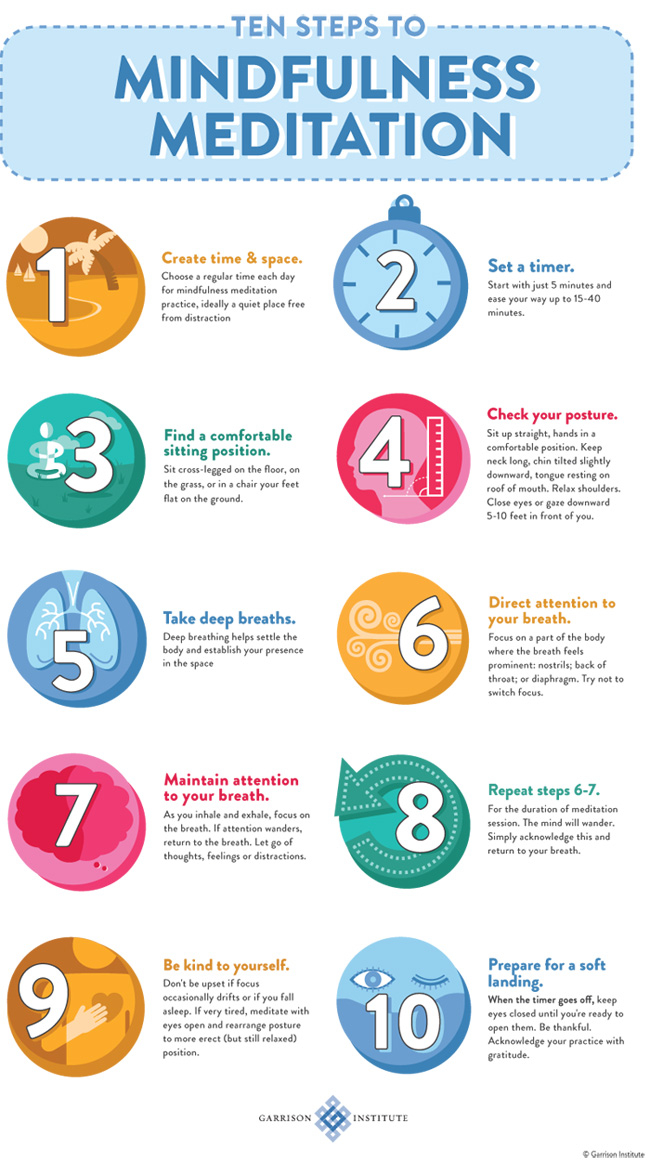
Practicing meditation for anxiety relief is easy and can be done anywhere, at any time. Here are some simple steps to get you started:
- Find a quiet and comfortable space to sit or lie down
- Close your eyes and take a few deep breaths
- Focus your attention on your breath, a mantra, or a physical sensation in your body
- When your mind wanders, gently bring it back to your chosen focus without judgment
- Start with short sessions (5-10 minutes) and gradually increase the duration as you become more comfortable with the practice
Tips for Incorporating Meditation into Your Daily Routine
Incorporating meditation into your daily routine can be challenging, but here are some tips to help you get started:
- Start small and commit to a regular practice, even if it's just 5-10 minutes a day
- Find a meditation buddy or join a meditation group for support and motivation
- Use guided meditation apps or videos to help you get started
- Make meditation a non-negotiable part of your daily routine, like brushing your teeth or taking a shower
Conclusion
Meditation is a powerful tool for managing anxiety and promoting relaxation. By incorporating meditation into your daily routine, you can experience a range of benefits, including reduced anxiety symptoms, improved mood, and enhanced self-awareness. Remember to start small, be consistent, and find a technique that works for you. With regular practice, you can develop a greater sense of calm, clarity, and control over your mind and emotions.