Online Safety for Kids and Teenagers: A Growing Concern
As the world becomes increasingly digital, online safety for kids and teenagers has become a pressing concern for parents, educators, and policymakers. The internet offers a wealth of information, opportunities, and connections, but it also poses significant risks to the physical and mental health of young people. In this article, we'll explore the importance of online safety for kids and teenagers and provide practical tips and resources to help them stay safe online.
The Risks of Online Safety for Kids and Teenagers
The internet can be a breeding ground for online predators, cyberbullies, and other threats to online safety. Research has shown that exposure to these risks can have long-term effects on a child's mental health, including increased stress, anxiety, and depression. Moreover, online safety risks can also affect a young person's physical health, as they may be exposed to online content that encourages unhealthy behaviors, such as tobacco use or substance abuse.
NetSmartz: A Leading Online Safety Resource
NetSmartz is a leading online safety resource that offers free, multimedia presentations tailored for specific audiences, including parents and communities, tweens, teens, and younger children. These presentations use online resources, videos, and expert tips to educate, engage, and empower children and adults to be safer online. With NetSmartz, kids and teenagers can learn how to protect themselves from online predators, cyberbullies, and other online safety risks.
Online Safety Tips for Kids and Teenagers
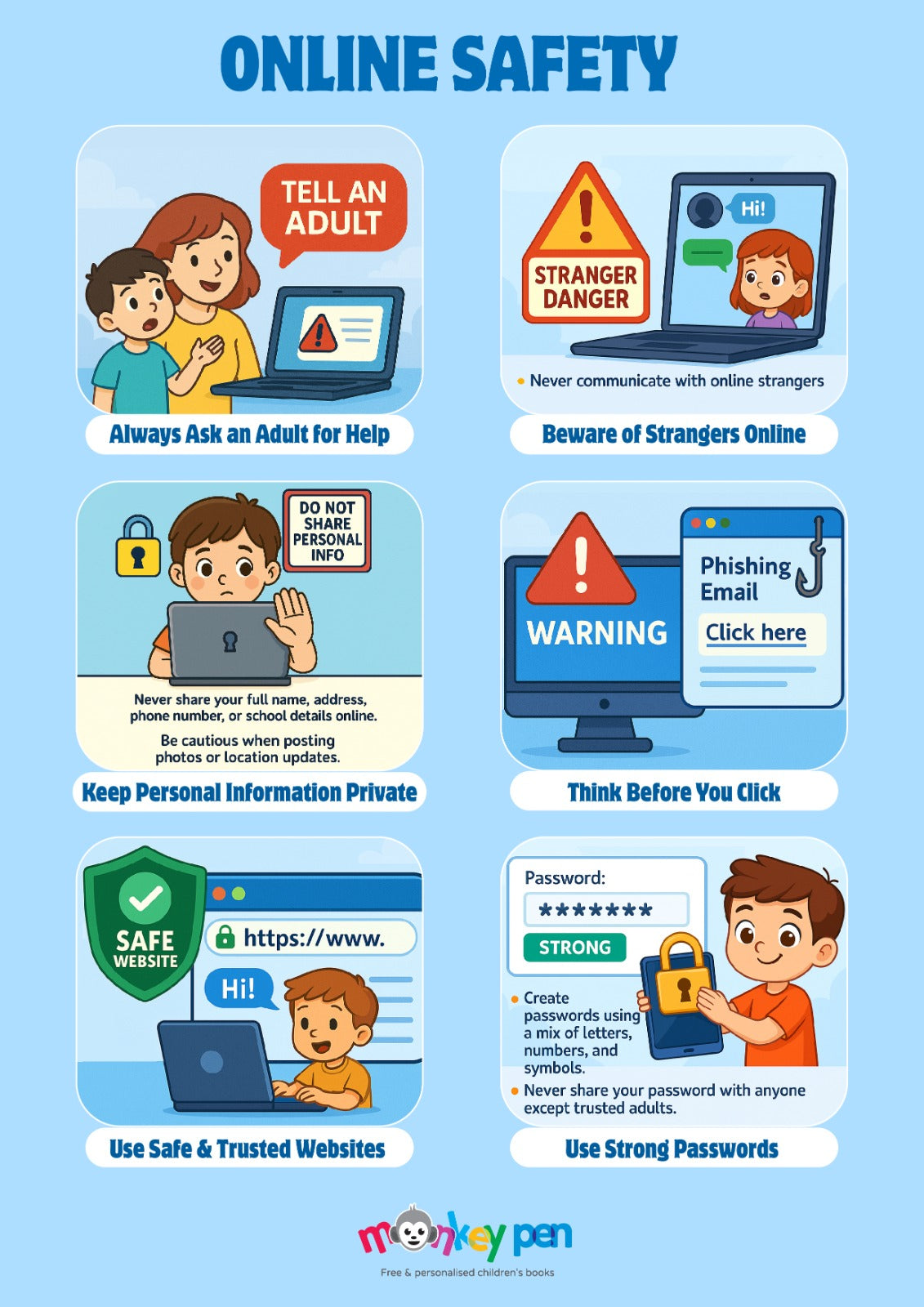
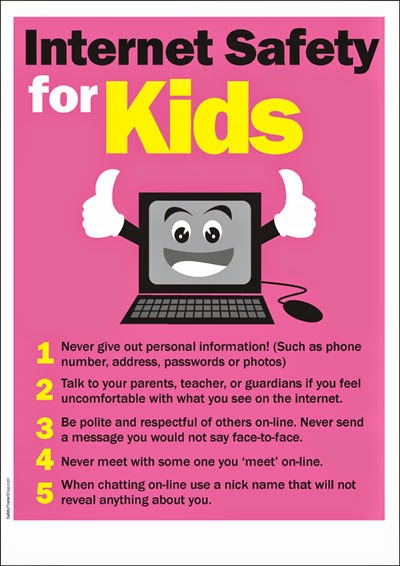
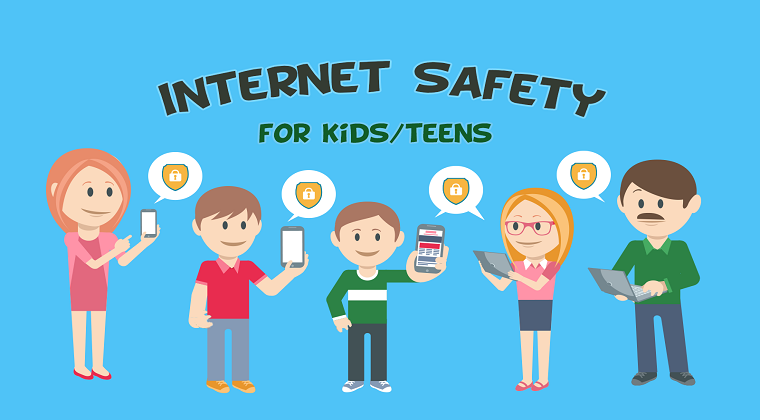
- Stay Safe at Home, Stay Safe Online: Kids should talk with a trusted adult so they understand online risks, only chat with people they know, ensure their online accounts are private, block people they don't know or trust, and trust their instinct—if something makes them feel uncomfortable, tell a trusted adult about it.
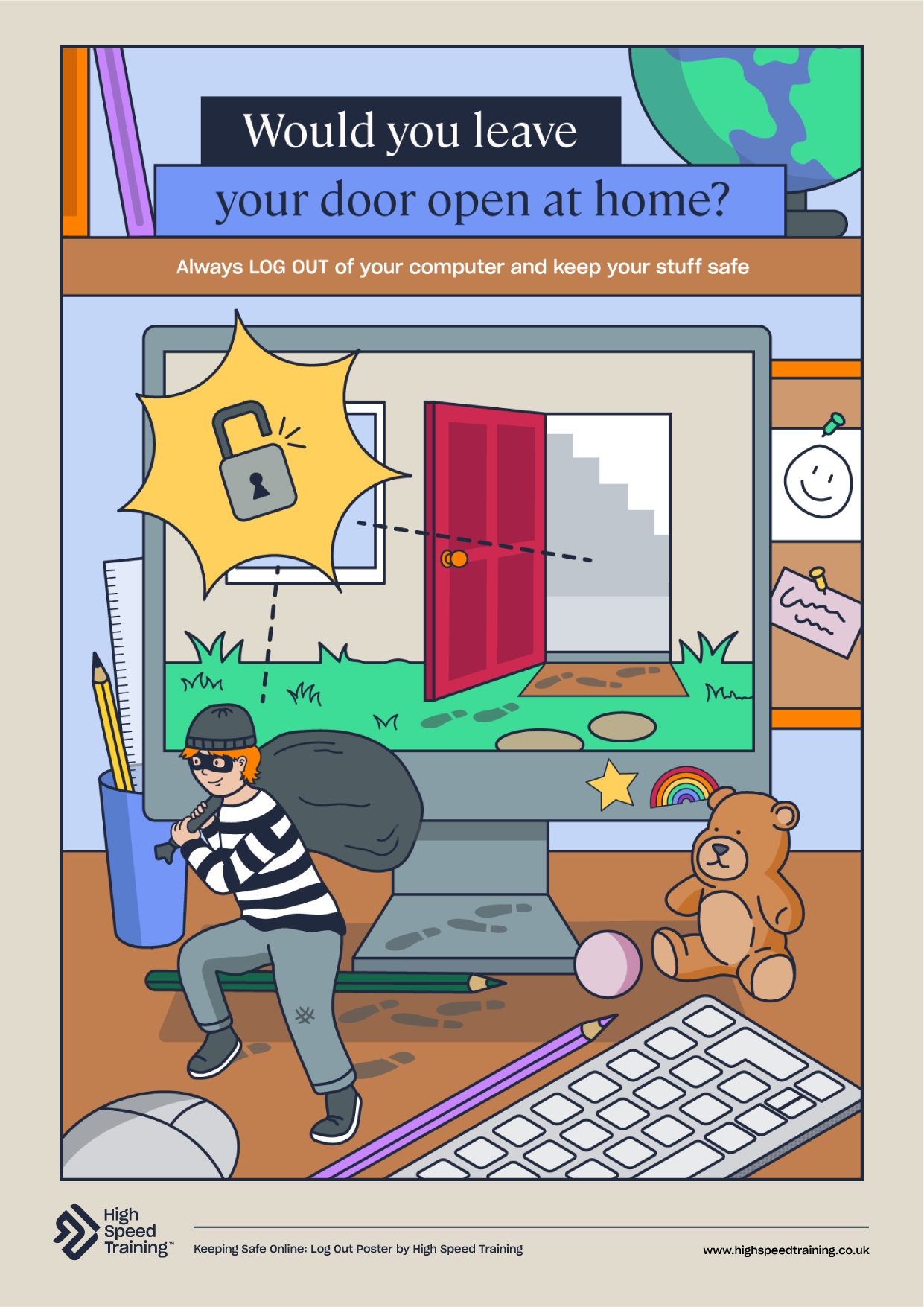
- Protect Your Personal Device: Kids and teenagers should keep their devices and online accounts private and secure by using strong passwords, keeping devices up to date with the latest software, and avoiding suspicious links and downloads.
- Be Careful Online: Kids and teenagers should be cautious when interacting online, including not sharing personal information, avoiding online arguments, and not engaging with strangers.
- Monitor and Set Boundaries: Parents and caregivers should monitor their child's online activity and set boundaries, including limiting screen time, setting online etiquette rules, and having open conversations about online safety.
The Importance of Education and Parental Oversight
Education and parental oversight are essential in ensuring online safety for kids and teenagers. Parents and caregivers can use a variety of resources, including NetSmartz, to educate themselves and their children about online safety. Additionally, they can set boundaries and limits on their child's online activity, monitor their activity regularly, and have open conversations about online safety and responsibility.
Resources for Online Safety for Kids and Teenagers
There are many resources available to help kids and teenagers stay safe online. Some of the most effective resources include:
- NetSmartz: A leading online safety resource that offers free, multimedia presentations tailored for specific audiences.
- SafeWise: An online safety organization that provides tips and resources for parents and kids.
- Free Chat Rooms: Free online chat rooms for kids and teenagers that promote safe and responsible online interactions.
- Online Safety Guides: Comprehensive guides that provide tips and resources for online safety, including cyberbullying prevention and online etiquette.
Conclusion
Online safety for kids and teenagers is a critical concern that requires attention and action from parents, educators, and policymakers. By educating ourselves and our children about online safety, monitoring their activity, and setting boundaries, we can help them navigate the digital world safely and responsibly. The resources available, such as NetSmartz and SafeWise, can provide valuable support and guidance on this important issue.