Prevent Malware from Spreading to Other Computers: A Comprehensive Guide
Malware is a significant threat to computer security, and spreading it to other computers can have devastating consequences. In this article, we will explore the ways to prevent malware from spreading to other computers and provide you with actionable tips to protect your devices and network.
Understanding Malware
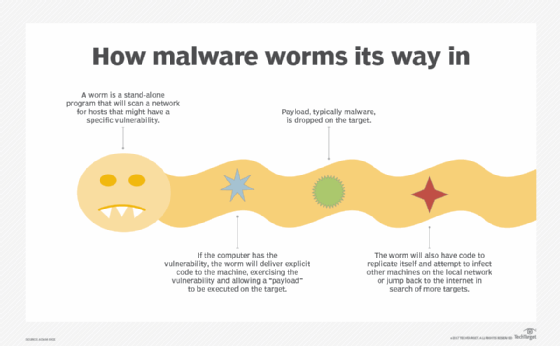
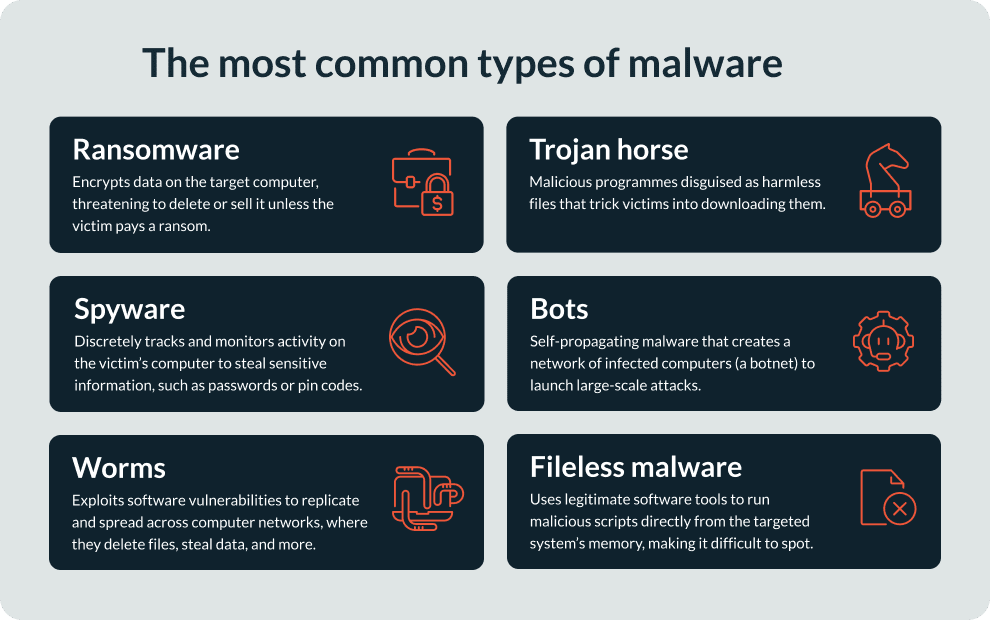
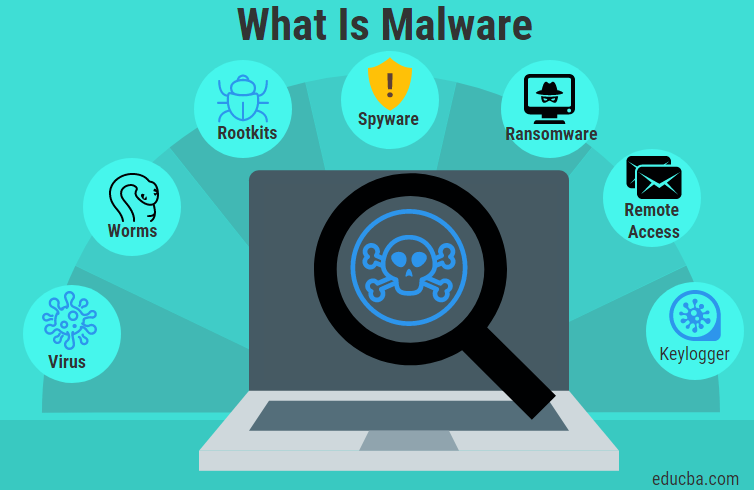
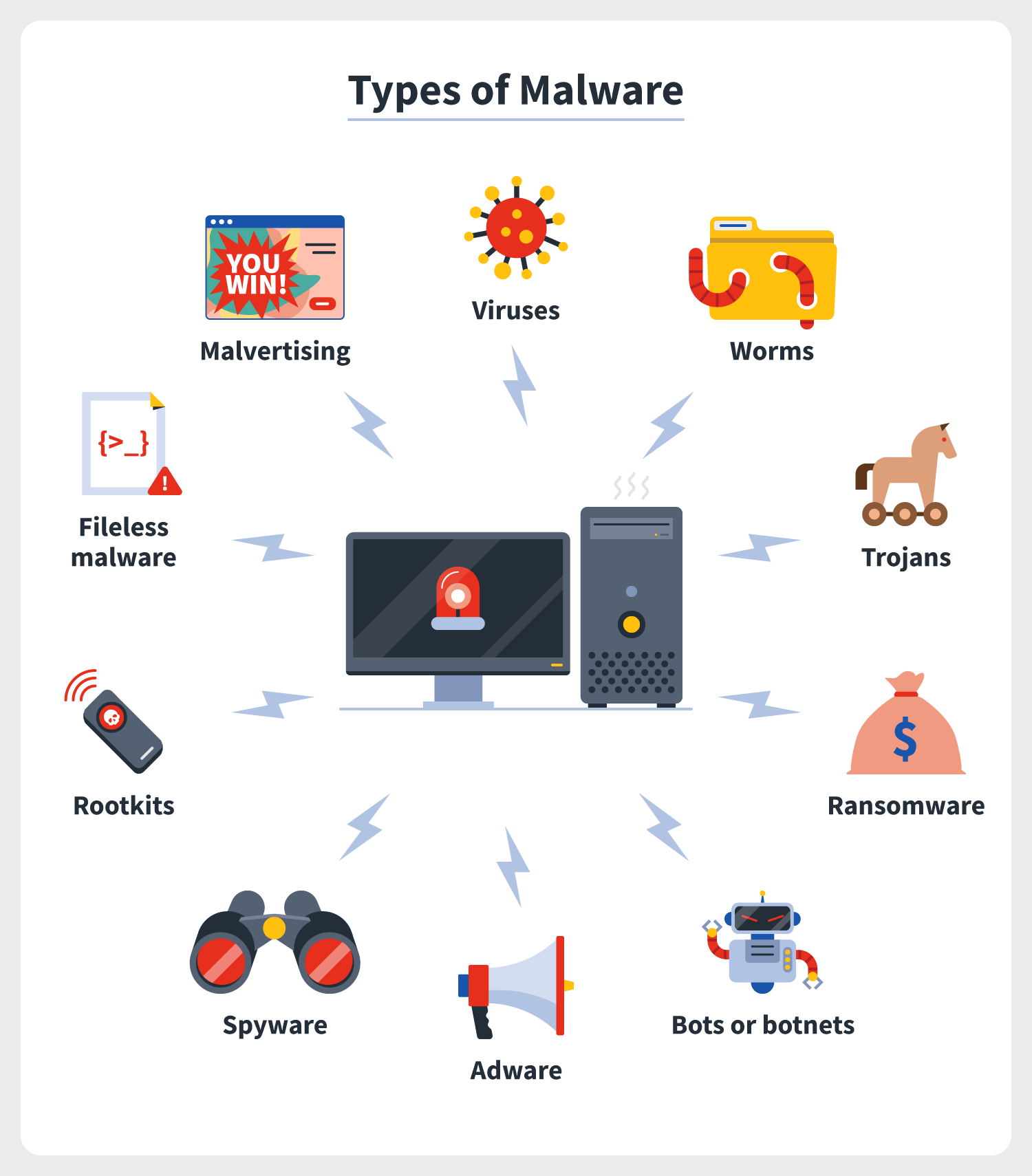
Malware is short for malicious software, designed to harm or exploit computer systems. There are various types of malware, including viruses, worms, trojans, spyware, and ransomware. Each type of malware has unique characteristics and methods of spreading, but the goal remains the same: to cause harm or steal sensitive information.
Causes of Malware Infections
Opening malicious downloads or attachments
Visiting suspicious websites or clicking on ads
Using public internet or public Wi-Fi networks
Ignoring software updates or security patches
Using unsecured or weak passwords
How Malware Spreads
Malware can spread through various means, including:
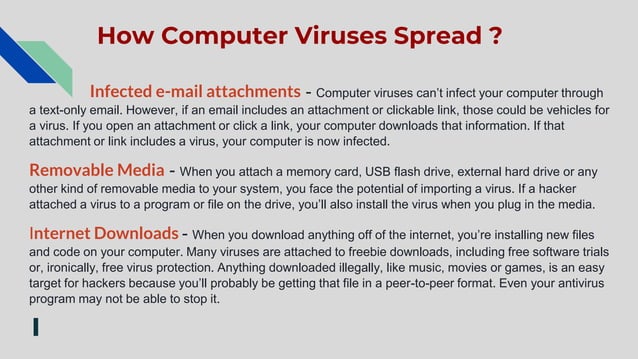
Email attachments or links
Infected software downloads or updates
Network vulnerabilities or exploits
Social engineering tactics
Infected external devices or media
Prevention Strategies
Preventing malware from spreading to other computers requires a combination of good habits, security measures, and proactive approaches. Here are some essential tips to get you started:
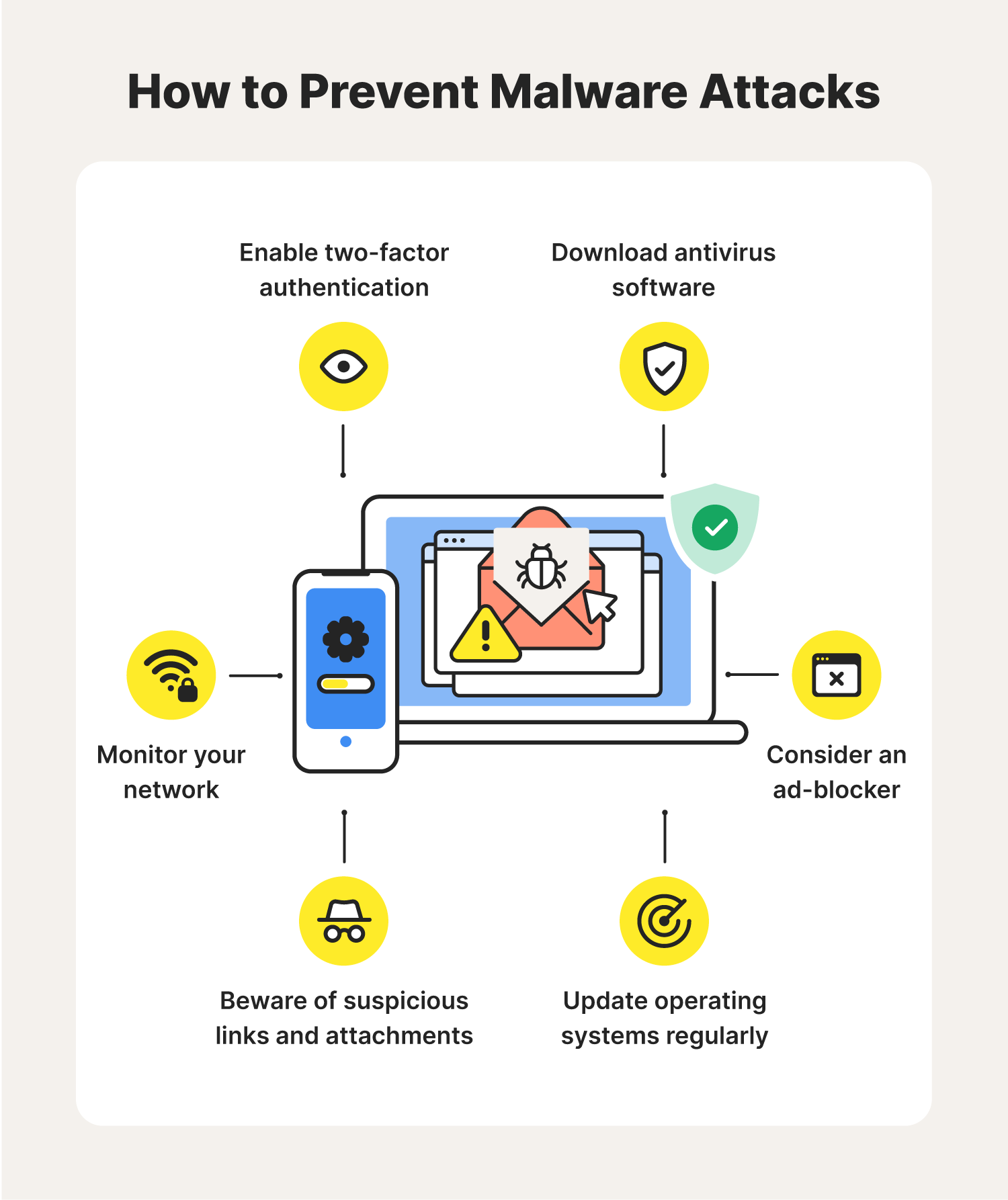
Keep your operating system, software, and plugins up to date
Use robust antivirus software and a firewall
Use strong, unique passwords and enable two-factor authentication
Frequently back up your files and data
Be cautious when opening email attachments or clicking on links
Use a VPN when accessing public Wi-Fi networks
Monitor network traffic and detect potential malware spread
Network Security Measures
To prevent malware from spreading across your network, consider implementing these security measures:
Segment your network to isolate vulnerable devices
Implement network-based intrusion detection and prevention
Use a network access control (NAC) system
Regularly update and patch network devices and equipment
Use secure protocols for network communication
Conclusion
Preventing malware from spreading to other computers requires a proactive approach to security, good habits, and robust security measures. By understanding the causes and methods of malware infections, implementing effective prevention strategies, and ensuring network security, you can protect your devices, network, and sensitive information from the threat of malware. Stay vigilant, and always prioritize your cybersecurity.