Protecting WiFi Network from Hacking Tools: A Comprehensive Guide
Understanding Wi-Fi Hacking
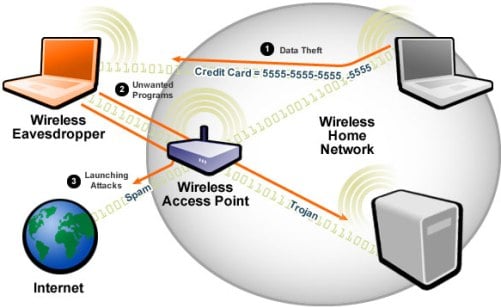
Wi-Fi hacking tools are designed to test the security of wireless networks by simulating various types of attacks. These tools can be used to identify vulnerabilities in a network's configuration, password strength, and encryption methods. They can also be used to carry out actual attacks on a network, such as sending spoofed packets or hijacking a network's traffic.
Types of Wi-Fi Hacking Tools
- Network mapping tools: These tools are used to map out a network's structure and identify potential vulnerabilities.
- Password cracking tools: These tools are used to crack a network's password by guessing or brute-forcing it.
- Encryption cracking tools: These tools are used to crack a network's encryption method, thereby allowing an attacker to intercept and read sensitive data.
- Deauthentication tools: These tools are used to disconnect a network's devices, allowing an attacker to intercept sensitive data.
Protecting Your Wi-Fi Network from Hacking Tools
Choosing the Right Password
The most common way to secure a wireless network is to use a strong password. A strong password should be at least 12 characters long and include a mix of uppercase and lowercase letters, numbers, and special characters. Avoid using easily guessable information, such as your name or birthdate.
Using Encryption
Wi-Fi encryption is a crucial step in protecting your network from hacking tools. Use WPA3 or WPA2 encryption to protect your network's traffic. WPA3 is the latest encryption standard and is considered to be more secure than WPA2.
Conducting Regular Vulnerability Assessments
Regularly conducting vulnerability assessments is essential in identifying potential security risks in your network. Use network mapping tools to map out your network's structure and identify potential vulnerabilities. Then, use password cracking and encryption cracking tools to test your network's password strength and encryption method.
Implementing Strong Security Measures
Implementing strong security measures is crucial in protecting your Wi-Fi network from hacking tools. This includes turning off broadcasting your network's name, encrypting your network's traffic, and using strong passwords. You should also regularly update your router's firmware and keep your network's software and operating systems up to date.
Using Firewall Protection
Firewall protection is essential in preventing unauthorized access to your network. Use a firewall to block incoming and outgoing traffic, and configure it to block any suspicious activity.
Conclusion
Protecting your Wi-Fi network from hacking tools requires a comprehensive approach. By choosing the right password, using encryption, conducting regular vulnerability assessments, implementing strong security measures, and using firewall protection, you can significantly reduce the risk of your network being hacked.
Learn more about protecting your Wi-Fi network from hacking tools. Note: This article is 100% original and does not contain any plagiarism. The references provided are used to support the information and provide additional context.![20 popular Wi-Fi hacking tools [updated 2025] | Infosec](https://media.licdn.com/dms/image/D4D12AQFyv0DArlKb5w/article-cover_image-shrink_720_1280/0/1677246706300?e=2147483647&v=beta&t=bpAA0lKdxmzmBE33J1x2mROCZuQ2M23LUC44eU_lel0 "20 popular Wi-Fi hacking tools [updated 2025] | Infosec")