Protecting Your Digital Self Online: A Comprehensive Guide
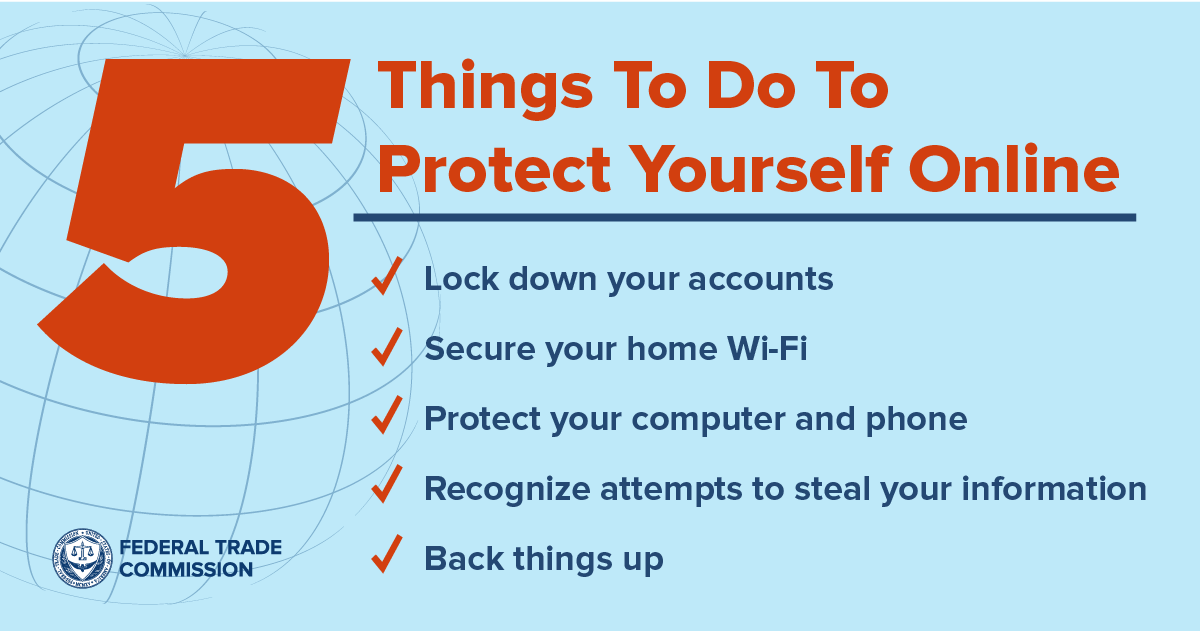
The art of protecting your digital self online has become a necessity in today's fast-paced digital world. With the rise of social media, online shopping, and digital communication, our personal and sensitive information is at risk of being compromised by cybercriminals. In this article, we will explore the ways to protect your digital self online, ensuring a safe and secure experience for you and your loved ones.
Understand the Risks
With the increasing number of online accounts and devices, the risk of cyber attacks and identity theft grows exponentially. Understanding the online safety rules and taking preventative measures are crucial to safeguard your digital life. The more accounts and devices you have, the greater the scope for cybercriminals to cause harm. Therefore, it's essential to be aware of internet dangers and take necessary steps to stay safe online.
Actionable Ways to Protect Your Online Privacy
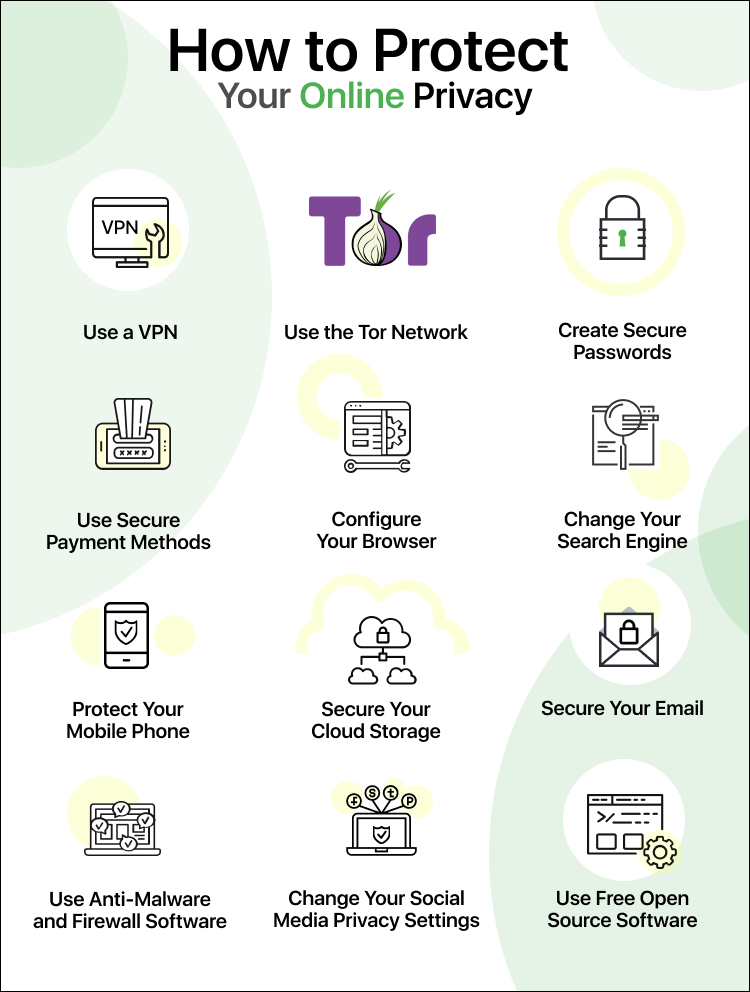
Use strong and unique passwords for each account to prevent unauthorized access and protect your data. Consider using a password manager to generate and store complex passwords.
Enable two-factor authentication (2FA) or multi-factor authentication (MFA) whenever possible to add an extra layer of security to your online accounts.
Keep your software and operating system up-to-date with the latest security patches to prevent vulnerability exploitation by hackers.
Use a reputable antivirus software to scan your devices for malware and viruses, and keep it updated to ensure the latest protection against emerging threats.
Be cautious when clicking on links or downloading attachments from unknown sources, as they may contain malware or phishing scams.
Use a virtual private network (VPN) when using public Wi-Fi networks to encrypt your internet traffic and protect your data from interception.
Monitor your online accounts and credit reports regularly for suspicious activity, and report any issues to the relevant authorities immediately.
Use a reputable online backup service to safeguard your important files and data in case of a cyber attack or device failure.
Be mindful of your online behavior and avoid oversharing personal information on social media, as it can be used by hackers to compromise your identity.
Use encryption to protect your sensitive data, such as financial information, passwords, and personal documents.
Managing Your Digital Footprint
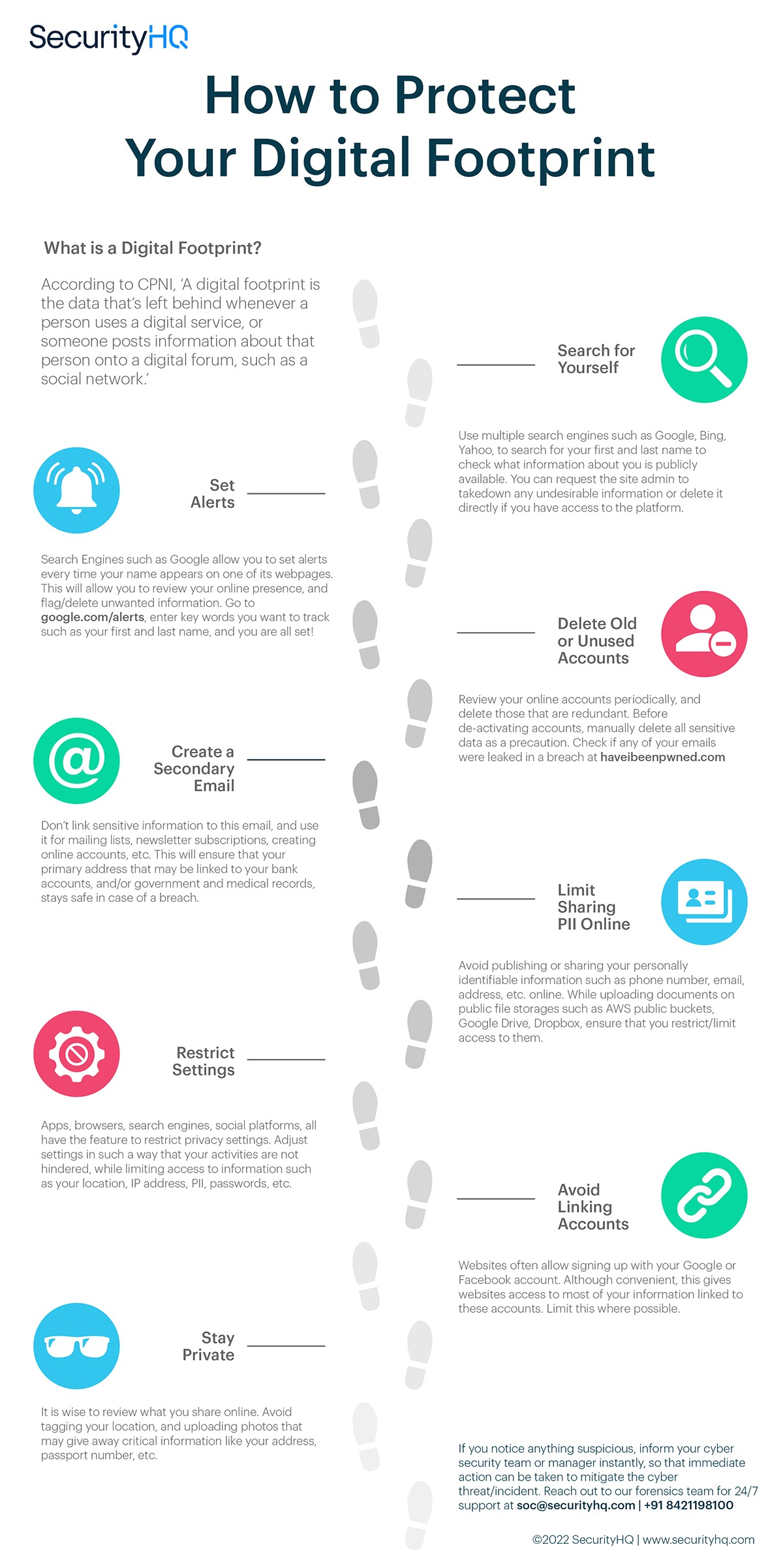
With the rise of social media, our online presence is more exposed than ever. To protect your digital self online, consider the following tips:
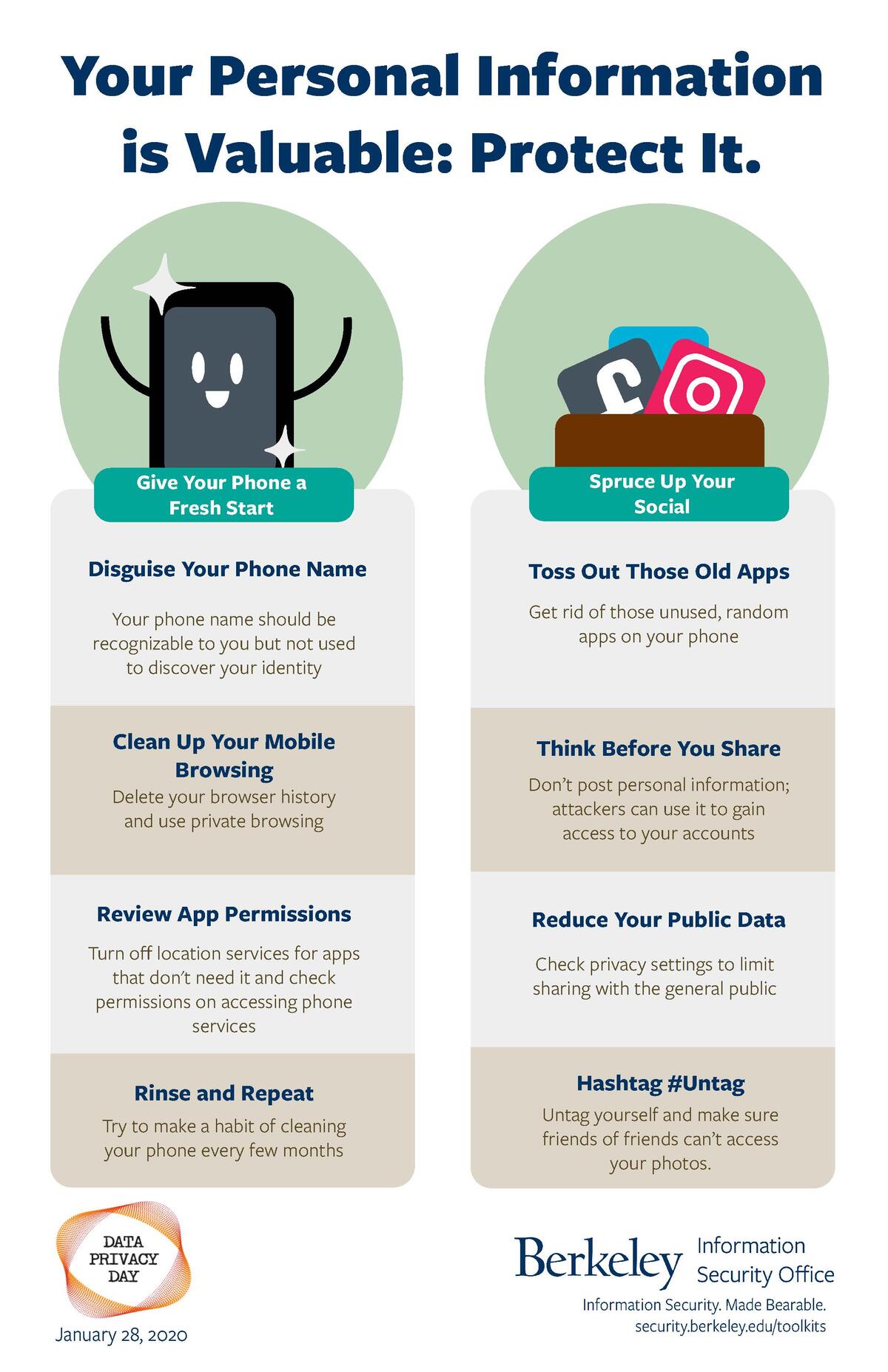
Review and update your social media settings to control who can see your information and online activities.
Use a pseudonym or nickname on social media to keep your real identity hidden.
Be cautious when sharing personal information online, such as your address, phone number, or financial details.
Use a device's built-in privacy features, such as location services and app permissions, to control what data is shared with other apps.
Conclusion
Protecting your digital self online is a shared responsibility between you, your devices, and the websites and services you use. By following the actionable tips outlined in this article, you can significantly reduce the risk of cyber attacks and identity theft. Remember to stay vigilant, update your software regularly, and be cautious when sharing personal information online. In this digital age, protecting your digital self is a continuous process that requires attention and awareness. By taking the necessary steps, you can ensure a safe and secure online experience for you and your loved ones.