Understanding Phantom Vibration Syndrome: A Comprehensive Guide
The widespread use of smartphones and mobile devices has led to a phenomenon known as phantom vibration syndrome (PVS), also referred to as phantom vibration syndrome or phantom ringing syndrome. In this article, we will delve into the intricacies of phantom vibration syndrome, exploring the causes, effects, and possible solutions to help individuals mitigate its impact.
What is Reaction to False Vibrations?
Reaction to false vibrations, a key component of phantom vibration syndrome, occurs when an individual mistakenly believes their mobile phone or device is vibrating or ringing when it is not. This phenomenon has been extensively researched, with studies suggesting that up to 90% of people who regularly carry mobile devices have experienced PVS at least once.
Causes and Effects of Phantom Vibration Syndrome
- Conditioned Reaction:** Phantom vibration syndrome can be triggered by a series of conditioned reactions that occur in response to notifications. When an individual constantly checks their device for notifications, their brain becomes accustomed to the association between the vibrations and notifications, leading to a false sense of vibration when there is none.
- Brain Mechanism:** Research suggests that phantom vibration syndrome may be linked to the brain's ability to recognize patterns and create associations. In cases of PVS, individuals may experience an overactive brain response to perceived vibrations, leading to anxiety and stress.
- Anxiety and Stress:** Phantom vibration syndrome can lead to increased stress and anxiety levels, ultimately affecting an individual's mental health and overall well-being.
Break the Cycle: Strategies to Reduce Phantom Vibration Syndrome
- Alter Alert Settings:** Change your device's alert settings, such as moving from vibration to silent mode or using audio alerts, to help your brain differentiate between real and false vibrations.
- Disrupt Sensory Habitual Behavior:** Switch to a different location for your device, such as a different pocket or bag, can disrupt your body's habitual behavior and lead to less frequent PVS episodes.
- Practice Mindfulness:** Regular mindfulness practices, such as meditation or deep breathing exercises, can help you become more aware of your body and brain's responses, reducing the likelihood of PVS.
Conclusion

Phantom vibration syndrome is a widespread phenomenon that affects individuals of all ages and backgrounds. By understanding the causes and effects of PVS and implementing strategies to reduce its impact, you can improve your mental health and well-being. Remember, reaction to false vibrations is not just an annoyance, but a signal that it's time to take control of your device and your brain's response.
Scientific Background: Understanding Vibration and Its Effects
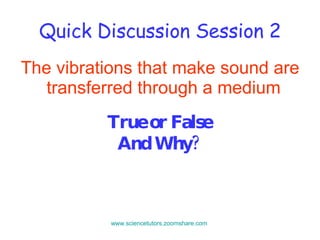
Understanding the science behind vibrations and their effects on humans and structures is crucial in comprehending phantom vibration syndrome. As discussed earlier, vibrations can be classified into two categories: free and forced. In the context of phantom vibration syndrome, forced vibrations are more relevant, as they are induced by an external force, such as a mechanical device or human intervention.
Impact of Vibration on Humans and Structures
Vibrations can cause a range of effects on humans and structures, from personal discomfort and stress to structural damage and physical harm. In the context of phantom vibration syndrome, forced vibrations induced by devices or humans can lead to anxiety, stress, and altered brain function.
Consequences of Vibrations on Human Mental Health
Research suggests that vibrations can have a profound impact on human mental health, leading to increased anxiety, stress, and altered brain function. Phantom vibration syndrome is a clear example of how even a simple, external stimulus can affect our internal experiences and well-being.