20 Sleep Tips to Fall Asleep Faster
Are you tired of lying awake at night, staring at the ceiling and wondering why you can't seem to fall asleep? You're not alone. Millions of people struggle with insomnia and difficulty falling asleep each year. But the good news is that there are many simple and effective sleep tips that can help you fall asleep faster and improve the quality of your sleep. In this article, we'll explore the top 20 sleep tips to help you fall asleep faster and wake up feeling refreshed and rejuvenated.1. Establish a Consistent Sleep Schedule
Going to bed and waking up at the same time every day, including weekends, can help regulate your body's internal clock and improve the quality of your sleep.
2. Create a Sleep-Conducive Environment
- Make your bedroom a sleep sanctuary by keeping it cool, quiet, and dark.
- Invest in a comfortable mattress and pillows to support a restful night's sleep.
- Consider using blackout curtains, earplugs, or a white noise machine to create a sleep-friendly environment.
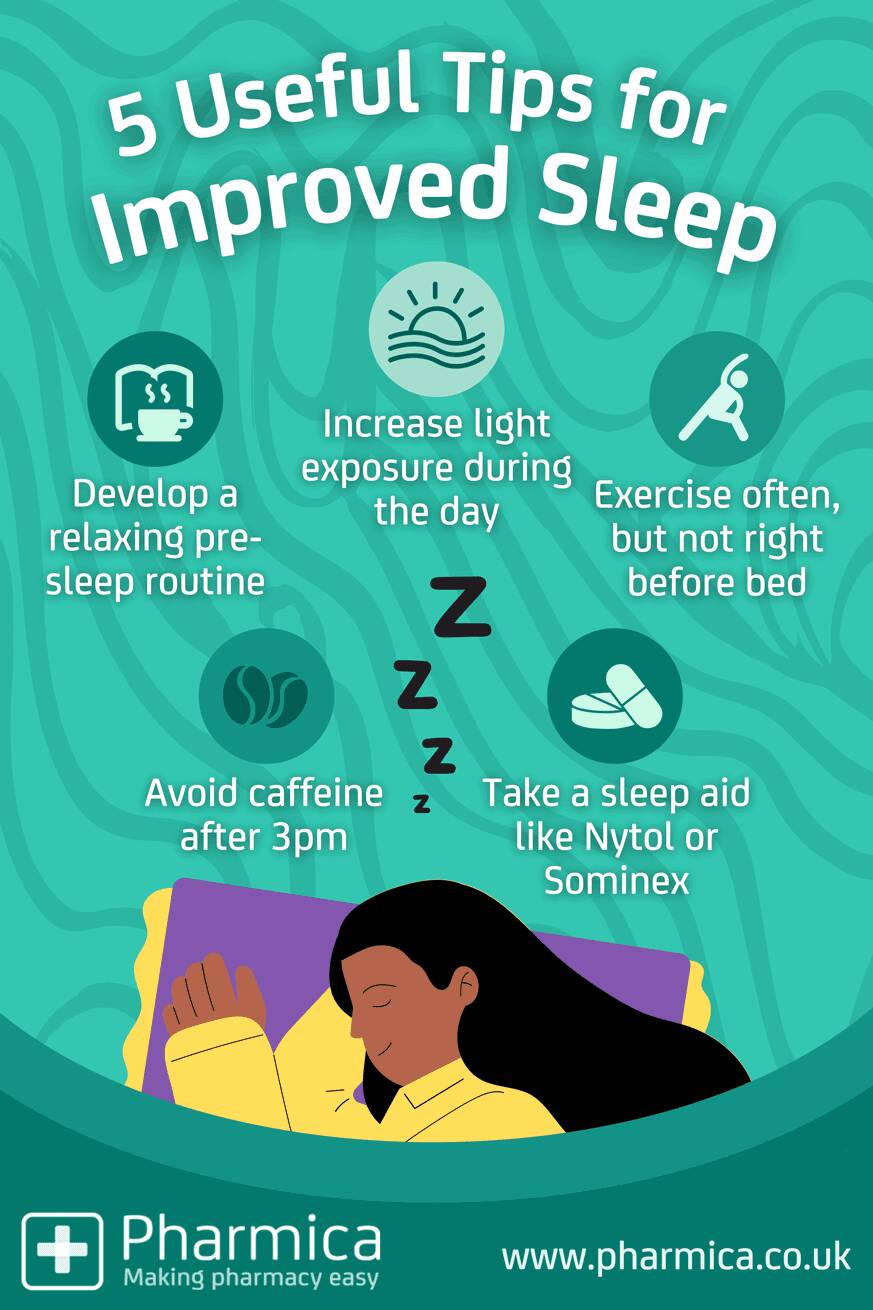
3. Develop a Relaxing Bedtime Routine
Engage in activities that calm your mind and body before bed, such as reading a book, taking a warm bath, or practicing gentle stretches.
4. Get Regular Exercise
Regular physical activity can help improve sleep quality, but avoid vigorous exercise within a few hours of bedtime as it can stimulate your body and make it harder to fall asleep.
5. Practice Stress-Reducing Techniques
- Try relaxation techniques like deep breathing, progressive muscle relaxation, or meditation to calm your mind and body.
- Engage in activities that bring you joy and help you relax, such as listening to soothing music or practicing yoga.
6. Avoid Stimulating Activities Before Bed
Avoid stimulating activities like watching TV, playing video games, or scrolling through your phone at least an hour before bedtime, as they can interfere with your ability to fall asleep.
7. Limit Exposure to Screens Before Bed
The blue light emitted from screens can suppress melatonin production, making it harder to fall asleep. Use blue light filtering glasses or apps that filter out blue light emitted from screens.
8. Try Progressive Muscle Relaxation
Tense and then relax different muscle groups in your body, starting with your toes and moving up to your head, to help release physical tension and promote relaxation.
9. Use Visualization Techniques
Imagine yourself in a peaceful and relaxing environment, such as a beach or a forest, to help calm your mind and body and prepare for sleep.

10. Get Some Morning Sunlight
Exposure to natural light in the morning helps regulate your circadian rhythms and can improve the quality of your sleep.
11. Avoid Caffeine and Nicotine Before Bed
Both caffeine and nicotine can interfere with sleep, so avoid consuming them within a few hours of bedtime.
12. Try Aromatherapy
The soothing scent of lavender can help reduce anxiety and promote relaxation, making it easier to fall asleep.
13. Use a Weighted Blanket
A weighted blanket can provide a sense of comfort and security, helping you relax and fall asleep faster.
14. Practice Mindfulness Meditation
Mindfulness meditation can help calm your mind and body, reducing stress and anxiety that can interfere with sleep.
15. Get Enough Sleep
Aim for 7-9 hours of sleep each night to help your body and brain function at their best.
16. Avoid Heavy Meals Before Bed
Eating a heavy meal before bed can disrupt digestion and make it harder to fall asleep.
17. Try Yoga Nidra
Yoga nidra is a form of guided meditation that can help you relax and fall asleep faster.