Somatic Anxiety: What You Need to Know
Somatic anxiety is a physical manifestation of anxiety, often resulting in various symptoms such as muscle tension, headaches, or dizziness. It is essential to understand the underlying causes and effects of somatic anxiety to develop effective coping strategies and treatment plans.
What is Somatic Anxiety?
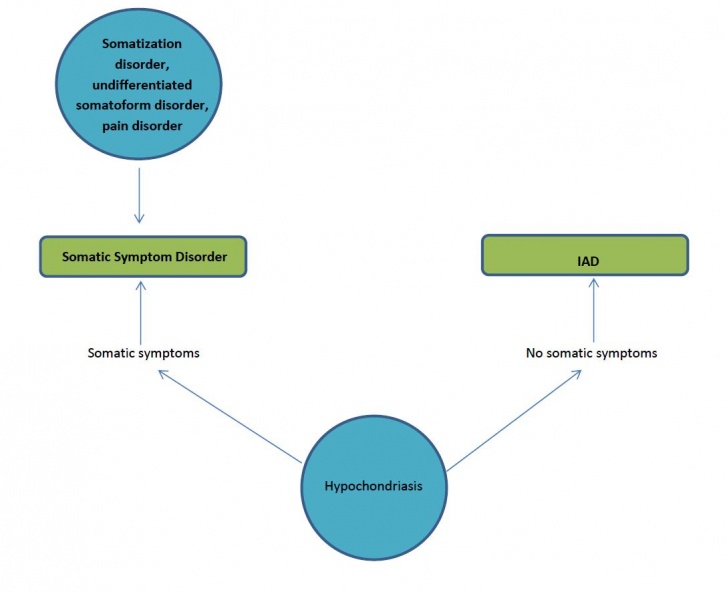
Somatic anxiety, also known as somatization, refers to the physical symptoms that occur due to anxiety, such as nausea, a pounding heart, or sweaty palms. These symptoms can be a direct result of the way the body responds to anxiety, rather than a mental or cognitive manifestation of anxiety.
Understanding Somatic Anxiety Symptoms
Anxiety can affect the body in various ways, leading to a range of symptoms, including:
- Physical pain or discomfort
- Headaches or migraines
- Tense muscles or stiff joints
- Nausea or stomach discomfort
- Increased heart rate or palpitations
- Shortness of breath or difficulty breathing
- Restlessness or fidgeting
These symptoms can vary in severity and are often not linked to an underlying medical condition, making them challenging to diagnose.
Causes and Effects of Somatic Anxiety
Somatic anxiety can be triggered by various factors, including:
- Stress and overwhelming situations
- Anxiety disorders, such as generalized anxiety disorder or post-traumatic stress disorder (PTSD)
- Trauma or stress-related experiences
- Genetic predisposition
Recurring somatic anxiety can lead to impaired daily functioning, social withdrawal, and strained relationships, as well as decreased productivity and overall well-being.
Treating Somatic Anxiety
Fortunately, somatic anxiety can be effectively managed through various treatments, including:
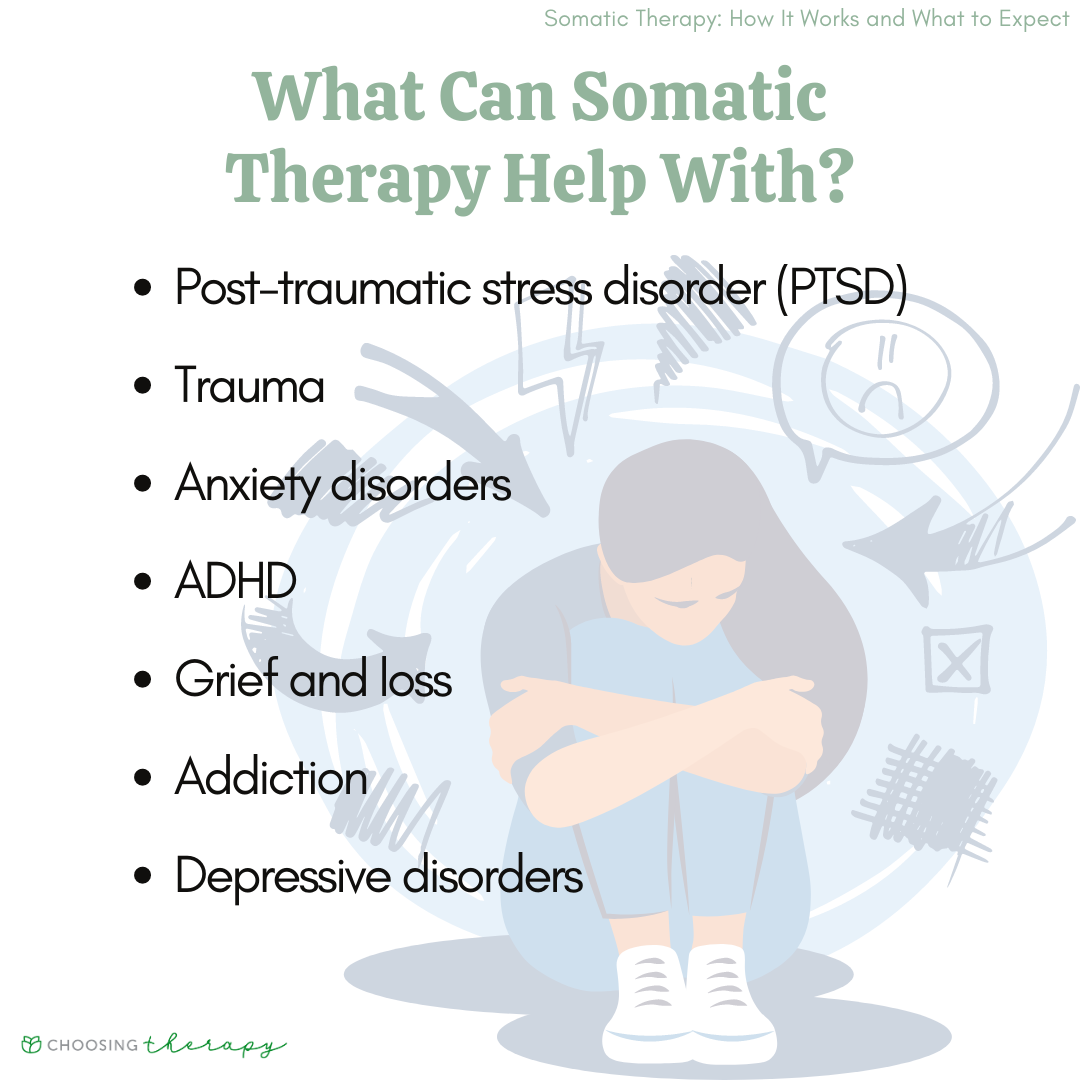
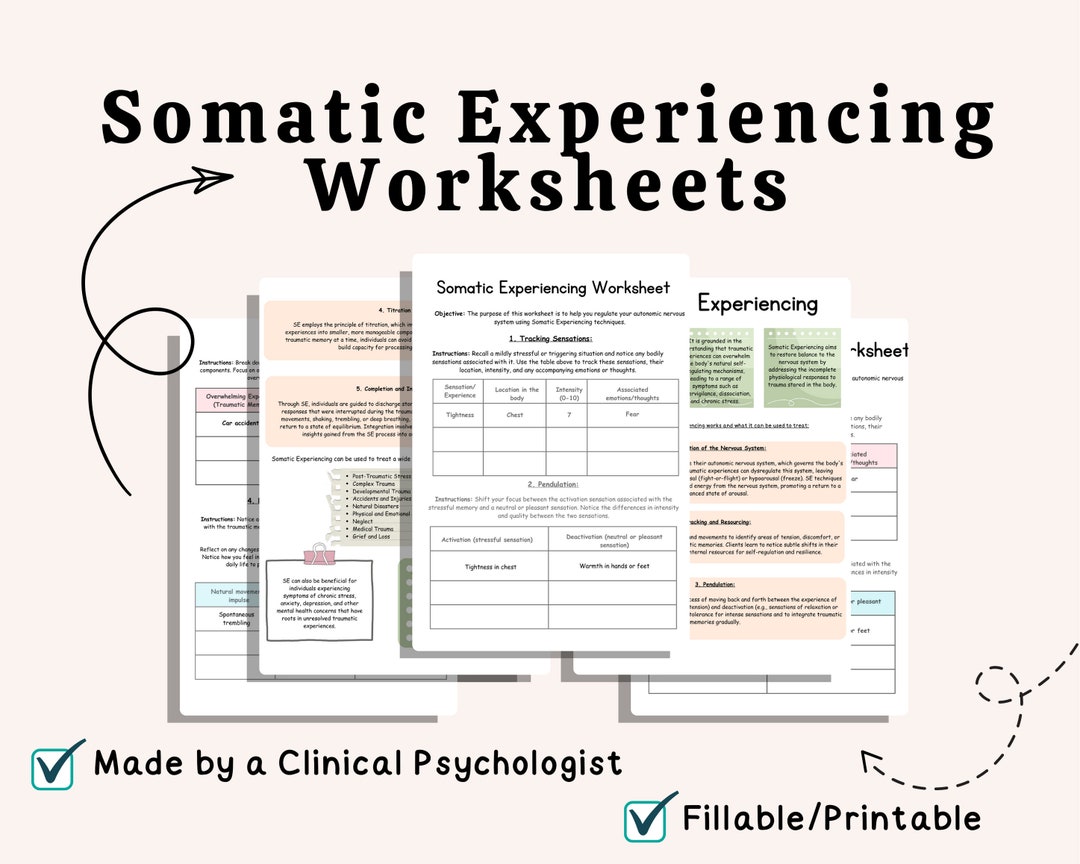
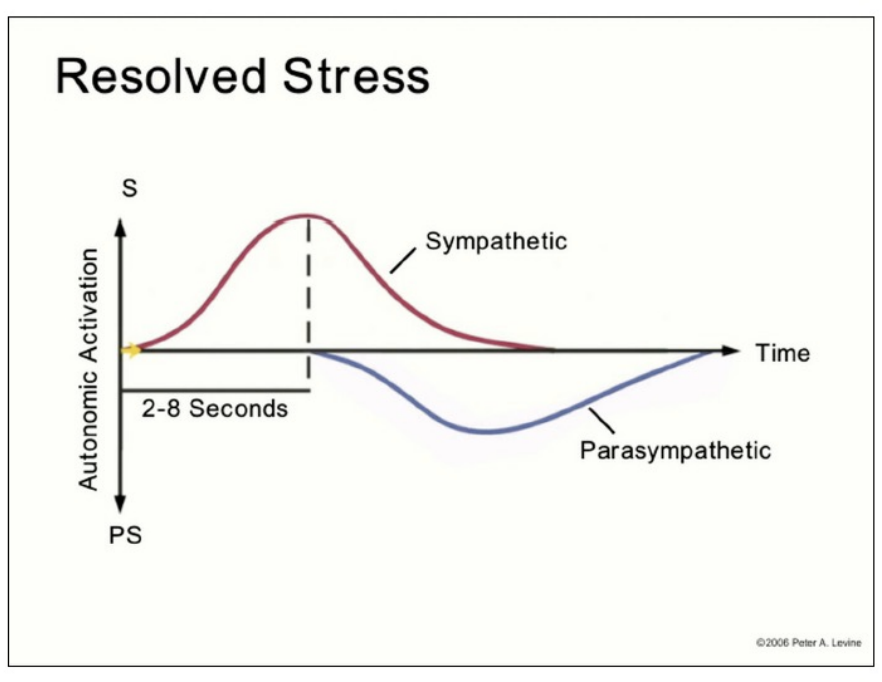
- Psychotherapy, such as cognitive-behavioral therapy (CBT) or somatic experiencing (SE)
- Mindfulness and relaxation techniques, like deep breathing, progressive muscle relaxation, or yoga
- Physical exercise and movement therapies, such as tai chi or somatic workouts
- Medications, such as selective serotonin reuptake inhibitors (SSRIs) or benzodiazepines (with caution and in short-term use)
It is essential to work with a mental health professional to determine the best course of treatment for individual needs and circumstances.
Conclusion
Somatic anxiety is a common manifestation of anxiety, manifesting as physical symptoms such as muscle tension, headaches, or dizziness. Understanding the causes and effects of somatic anxiety is crucial to develop effective coping strategies and treatment plans. By exploring various treatments and working with a mental health professional, it is possible to manage somatic anxiety and improve overall well-being.
Additional Resources
For further information on somatic anxiety, consider the following resources:
- Study somatic experiencing (SE) and research-backed techniques for immediate relief
- Explore somatic workouts and mind-body connection exercises for stress relief and tension
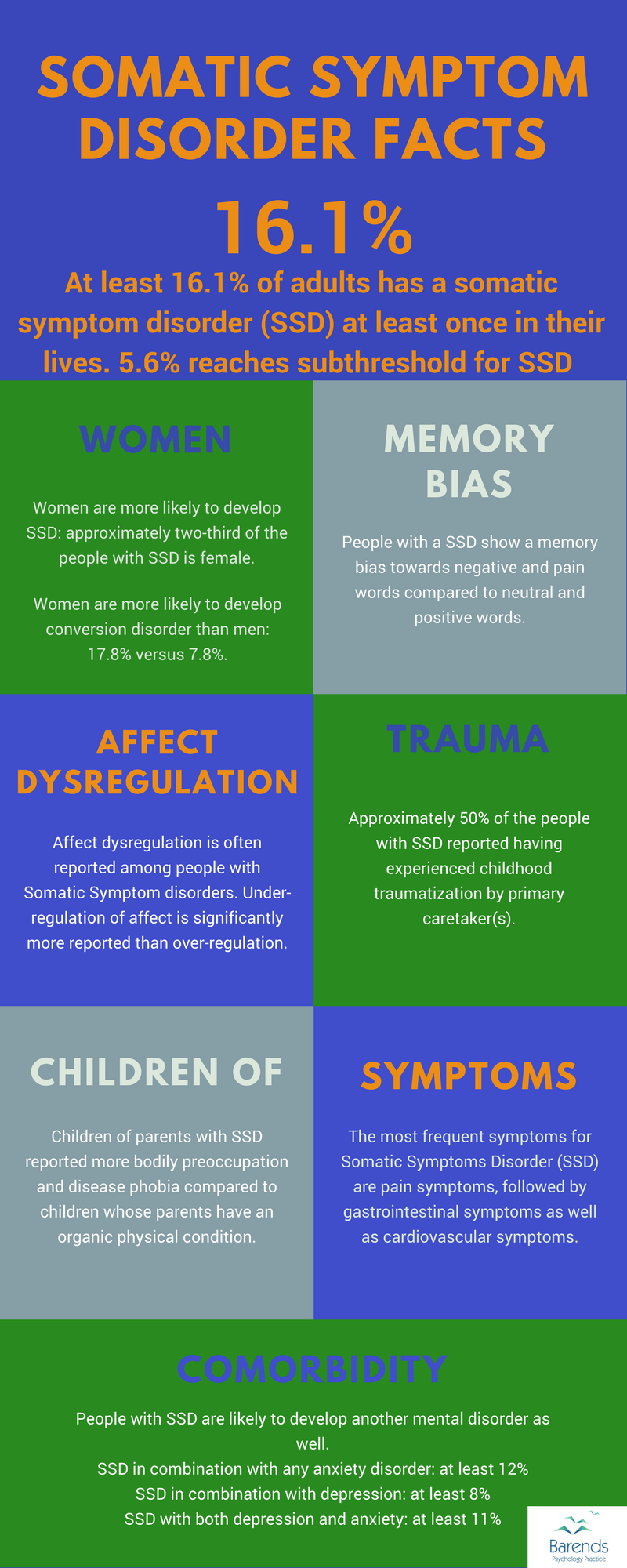
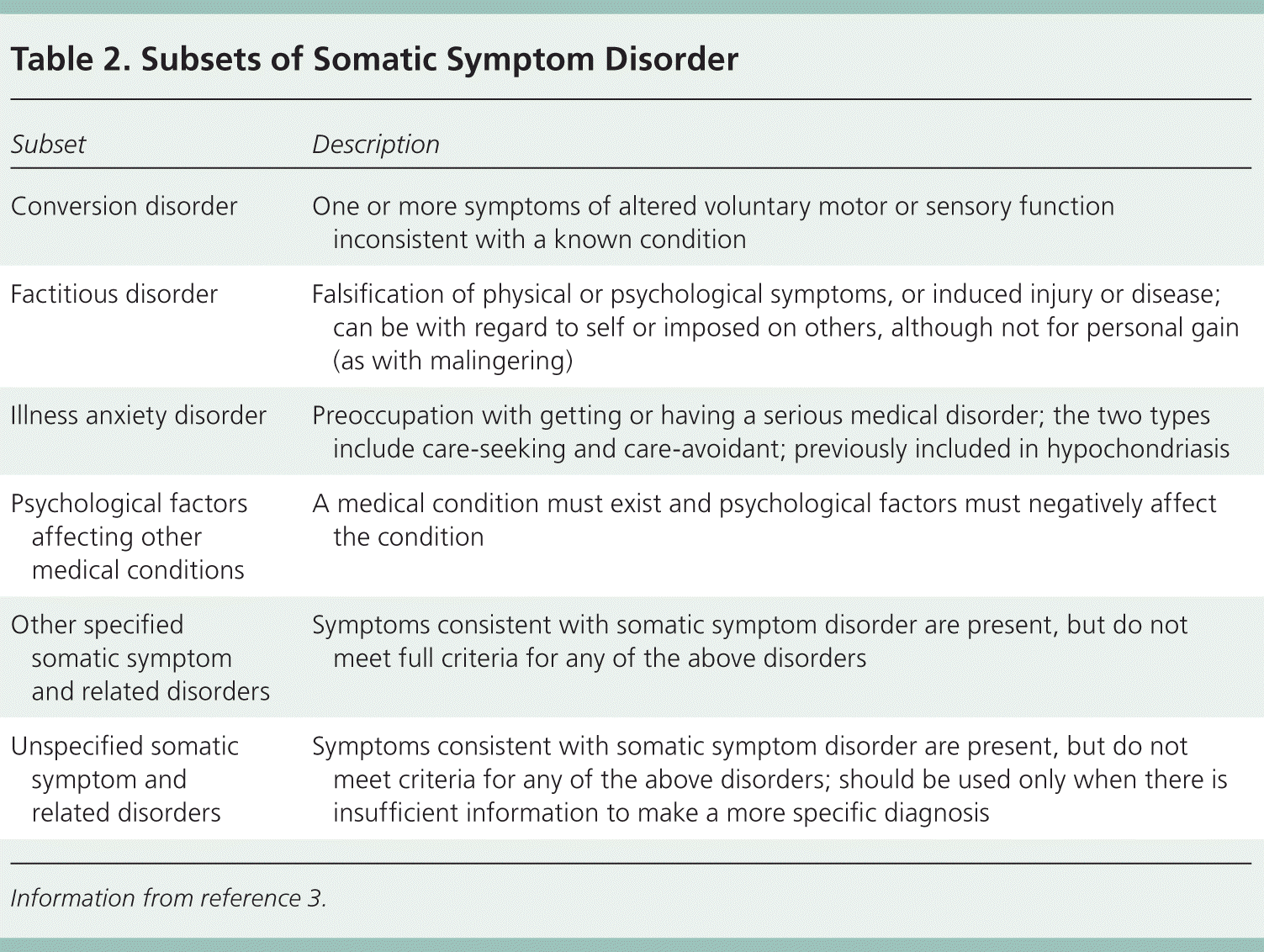
- Learn more about somatic symptom disorder, its symptoms, causes, and treatment options