The Impact of Hyperconnectivity on Business
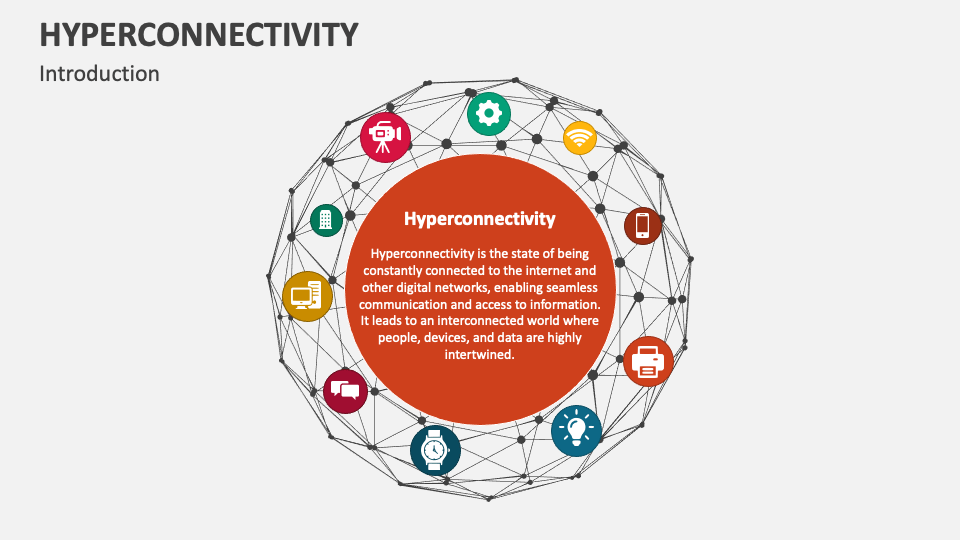
In today's fast-paced, interconnected world, the concept of hyperconnectivity has become a buzzworthy phrase in the business landscape. The Collins dictionary defines hyperconnectivity as "the state of being constantly connected to people and systems through devices such as smartphones, tablets, and computers - and sometimes through software that enable and promote constant communication." But what does this concept really mean, and how is it impacting businesses?
Defining Hyperconnectivity
When discussing hyperconnectivity, it's essential to understand that it encompasses not just technology but also society and enterprises. It's not just about better connectivity; it's about a world where people, devices, systems, and platforms are increasingly interconnected. This interconnection has revolutionized the way businesses operate, innovate, and communicate.
Benefits of Hyperconnectivity
- Improved decision-making based on up-to-date data
- Creation of new models of collaboration and digital business
These benefits explain why digital hyperconnectivity has become a strategic priority for many organizations. However, its positive impact depends on a structured approach that avoids the disorderly growth of integrations and dependencies.
Impact on Business Operations
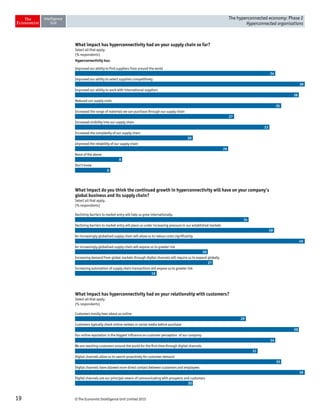
Enterprises expect hyperconnectivity to improve customer service and customer relationships, according to a new research from UBM Tech and Wipro. Nearly half of the respondents also expect a bump in mobile productivity. Hyperconnectivity has resulted in advancements in many sectors, including finance, politics, economics, business, and transportation.
Pros and Cons of Hyperconnectivity
- Pros:
- Increased collaboration and innovation
- Improved customer service and relationships
- Enhanced mobile productivity
- Cons:
- Increased risk of cyberattacks
- Dependence on technology can lead to burnout and decreased productivity
- Potential for data breaches and information theft
Examples of Hyperconnectivity in Business
Hyperconnectivity is not just limited to technology and innovation; it's also changing the way businesses interact with their customers and the wider world. Companies that have successfully implemented hyperconnectivity have seen significant benefits, including increased collaboration, improved customer service, and enhanced mobile productivity.
Challenges and Opportunities
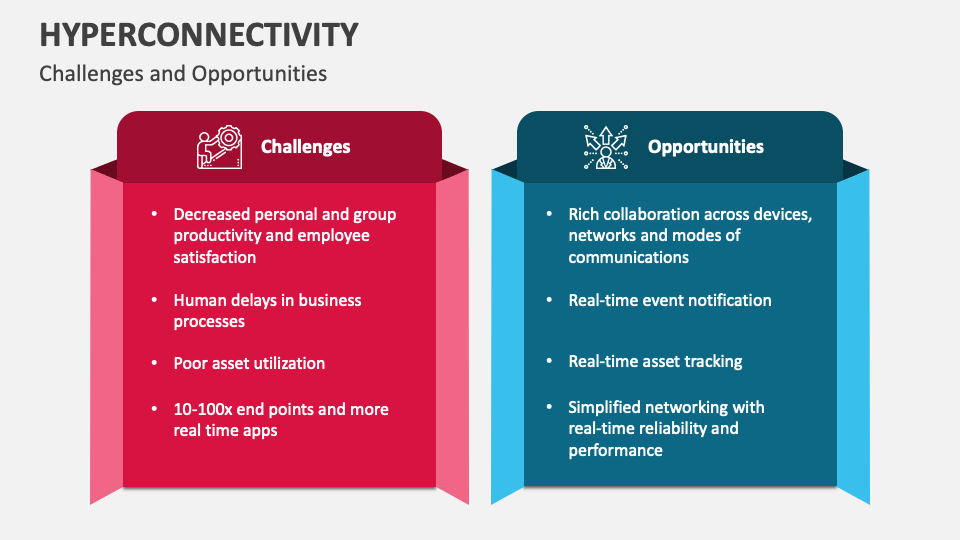
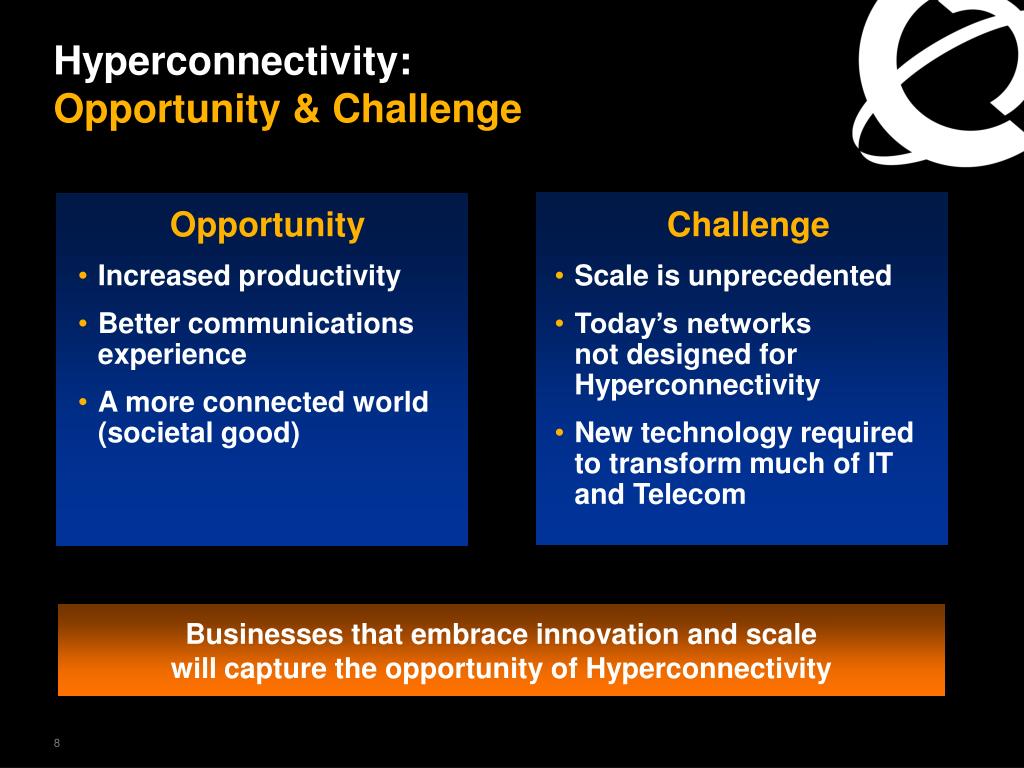
As hyperconnectivity continues to grow, businesses must be aware of the challenges it presents. These include the potential for cyberattacks, decreased productivity due to over-reliance on technology, and the need for greater data security. However, there are also opportunities for businesses to innovate, collaborate, and improve customer service.
Conclusion
In conclusion, hyperconnectivity has a significant impact on business operations, offering both opportunities and challenges. By understanding the benefits and drawbacks of hyperconnectivity, businesses can develop strategies to harness its potential and stay ahead in today's competitive marketplace.
Recommendations for Businesses
- Invest in cybersecurity: Protect your business from cyberattacks and data breaches by investing in robust security measures.
- Develop a clear strategy: Understand the benefits and drawbacks of hyperconnectivity and develop a clear strategy to harness its potential.
- Encourage collaboration: Foster a culture of collaboration and innovation to drive business growth and improve customer service.
By embracing hyperconnectivity and addressing its challenges, businesses can unlock new opportunities for growth, innovation, and success in today's interconnected world.