The Impact of Social Media on Attention: A Comprehensive Review
With the advent of social media, the way we consume information and interact with each other has undergone a significant transformation. Social media has become an integral part of our daily lives, influencing various aspects of our cognitive and emotional functioning. This article delves into the impact of social media on attention, exploring the psychological, neurological, and societal dimensions of this phenomenon.
Background
As social media platforms continue to expand their reach, concerns have been raised about their impact on our cognitive functions, particularly attention span. The rapid growth of social media has led to an unprecedented increase in the amount of information we consume, with many of us finding themselves lost in a sea of notifications, updates, and interactions.
Social Media, Interfaces, and the Control of Attention
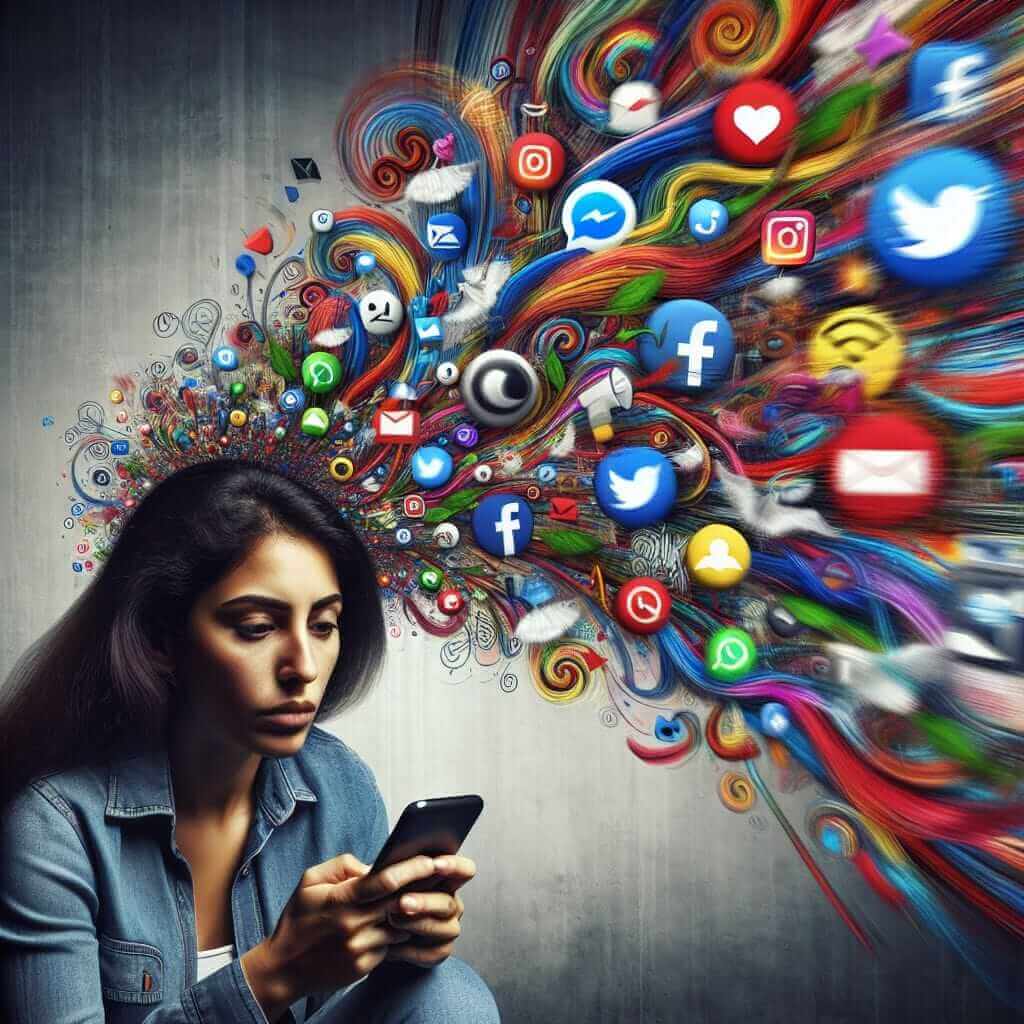
The concept of attention has been extensively studied in various disciplines, including economics, neurophysiology, and neuropsychology. This multifaceted understanding of attention makes it possible to establish a connection between attention control and digital consumption. Social media platforms are designed to maximize engagement, utilizing algorithms that increasingly require instant responses and reactions. This strategy leads to a decrease in attention span, as users become accustomed to shorter and more frequent interactions.
The Impact of Social Media on Attention
- Reduced attention span:** The constant availability of social media has led to a decrease in attention span. Users are no longer able to focus on a single task for an extended period, as their minds are consistently pre-occupied with social media notifications and updates.
- Cognitive overload:** Social media exposure has been linked to cognitive overload, as the sheer volume of information presented to users can be overwhelming. This leads to mental fatigue and decreased attention capacity.
- Increased stress and anxiety:** Social media use has been associated with increased stress and anxiety levels. The constant exposure to social media can lead to feelings of inadequacy, low self-esteem, and social anxiety.
- Reduced cognitive flexibility:** Social media use has been linked to reduced cognitive flexibility, as users become conditioned to respond to specific stimuli and maintain a narrow focus.
The Psychological and Neurological Effects
Research has shown that excessive social media use can affect various aspects of our mental health, including depression, anxiety, and cognitive functioning. A 2023 U.S. Surgeon General advisory highlighted the growing concerns about the impact of social media use on young people's mental health. Additionally, studies have demonstrated that social media exposure can rewire the brain, leading to permanent changes in neural pathways and cognitive processes.
The Societal Dimensions
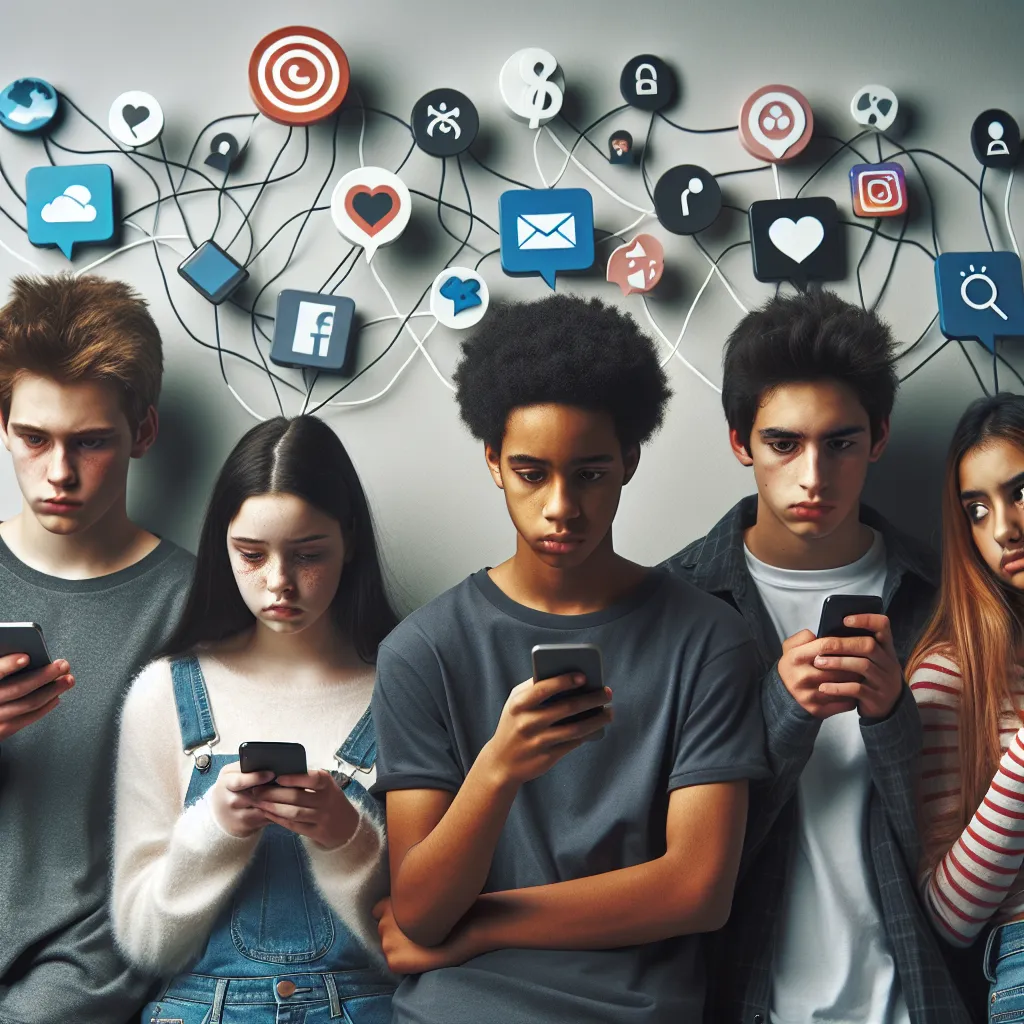
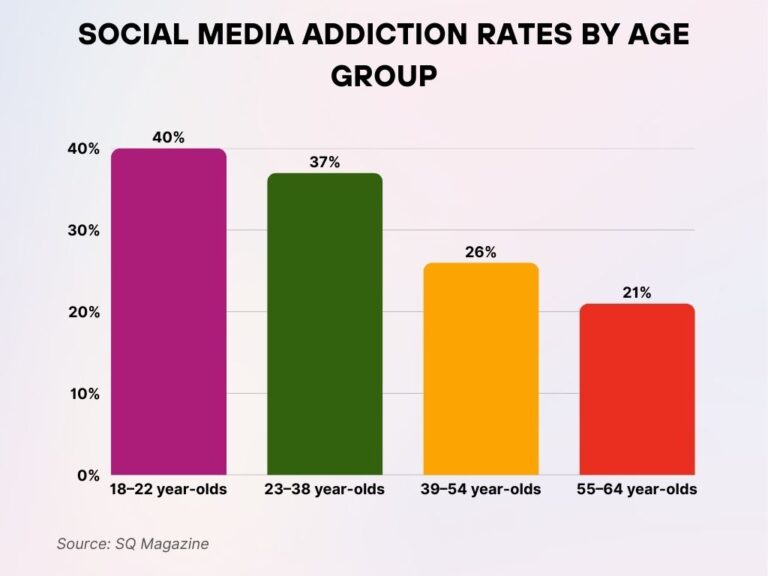
As social media continues to shape our interactions and information consumption, it also has significant societal implications. The growth of social media addiction has led to a decrease in attention span, emotional volatility, and compulsive behaviors among young people. This has sparked concerns among experts, with some advocating for increased regulation and guidelines for social media use among children and adolescents.
Conclusion
Social media undoubtedly plays a transformative role in modern life, connecting individuals and democratizing access to information. However, it is essential to be aware of its impact on cognitive functions, particularly attention span and focus. By understanding the effects of social media on attention, we can take steps to mitigate the negative consequences and foster healthier relationships with technology. By striking a balance between social media use and other aspects of life, we can promote positive cognitive development and maintain attention span in the face of an increasingly digital world.