How to Learn Python Classes: A Comprehensive Guide
Are you new to Python programming or looking to take your skills to the next level? Learning Python classes is a fundamental step in becoming proficient in this powerful programming language. In this article, we will guide you through the process of learning Python classes, covering the basics, intermediate, and advanced topics.
What are Python Classes?
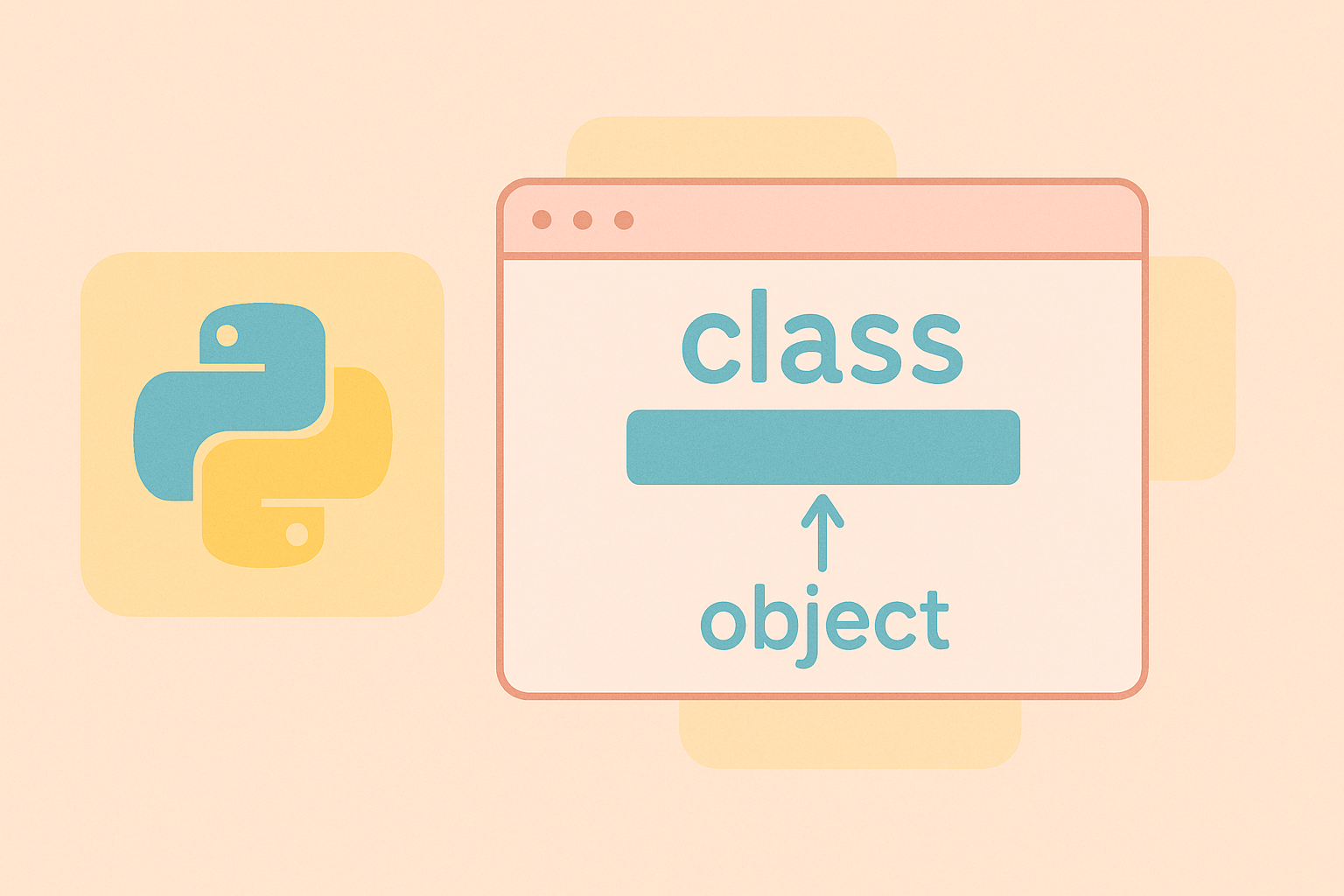
In Python, classes are a user-defined template for creating objects. They are a fundamental concept in object-oriented programming (OOP) and provide a way to organize your code into reusable and modular units. By learning Python classes, you will be able to create objects that have their own properties and methods, making your code more organized, reusable, and maintainable.
Why Learn Python Classes?
- Improved code organization and modularity
- Increased code reusability and reducibility
- Enhanced maintainability and scalability
- Increased productivity and efficiency
Basic Concepts of Python Classes
Before diving into the advanced topics, let's cover the basic concepts of Python classes. You should have a good understanding of the following:
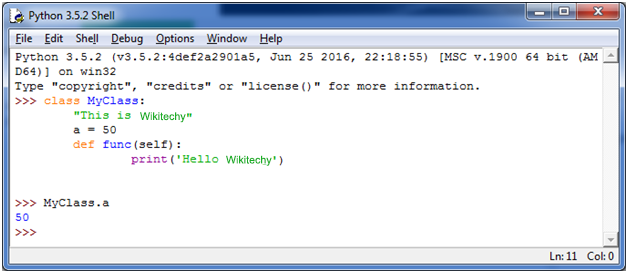
- Class definitions and syntax
- Attributes (data) and methods (functions)
- Constructors ( __init__ ) and initialization
- Class variables and instance variables
- Inheritance and polymorphism
Intermediate Topics: Creating and Using Python Classes
Once you have a good grasp of the basic concepts, it's time to move on to the intermediate topics. You should learn how to create and use Python classes, including:
- Creating classes with multiple attributes and methods
- Using constructors to initialize objects
- Defining class variables and instance variables
- Applying inheritance and polymorphism
- Using class methods and static methods
Practice and Real-World Applications
Practice is key to mastering Python classes. Try creating your own classes and objects, and apply them to real-world problems. Some examples include:
- Creating a simple banking system
- Designing a game with Python classes
- Building a simple chatbot
- Creating a to-do list app
Advanced Topics: Object-Oriented Programming (OOP) Principles
Finally, you should learn about the advanced topics of Python classes, including:
- Encapsulation and data hiding
- Inheritance and polymorphism
- Composition and delegation
- Observer pattern and dependency injection
- Uncoupling and abstraction
Conclusion
Learning Python classes is an essential step in becoming proficient in this powerful programming language. By understanding the basic concepts, intermediate topics, and advanced principles of Python classes, you will be able to create efficient, reusable, and maintainable code. Remember to practice and apply your knowledge to real-world problems to become a proficient Python programmer.
Recommended Resources
- Official Python documentation
- Codecademy's Python course
- Python tutorials on YouTube
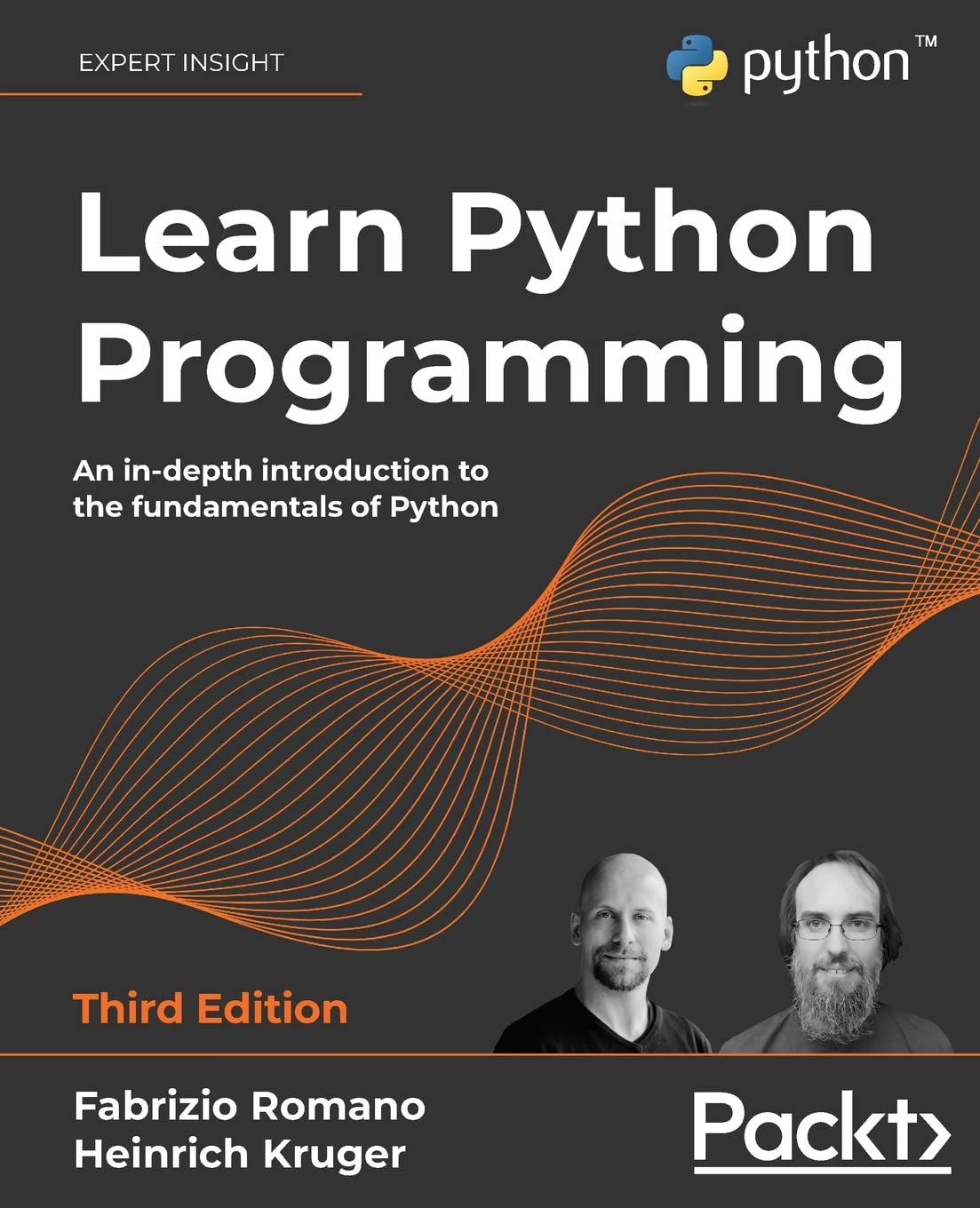
- Python books and online courses




![Python Exercises, Practice, Challenges [385+ Exercises] - PYnative](https://soft.connect4techs.com/wp-content/uploads/2023/09/Basic-Python-Handwritten_page-0001-1.jpg "Python Exercises, Practice, Challenges [385+ Exercises] - PYnative")
