A Comprehensive Guide to Polished Concrete
Polished concrete has become a popular choice for flooring in both residential and commercial spaces. This guide will cover everything you need to know about polished concrete, from its benefits and installation process to maintenance tips and design options.
What is Polished Concrete?
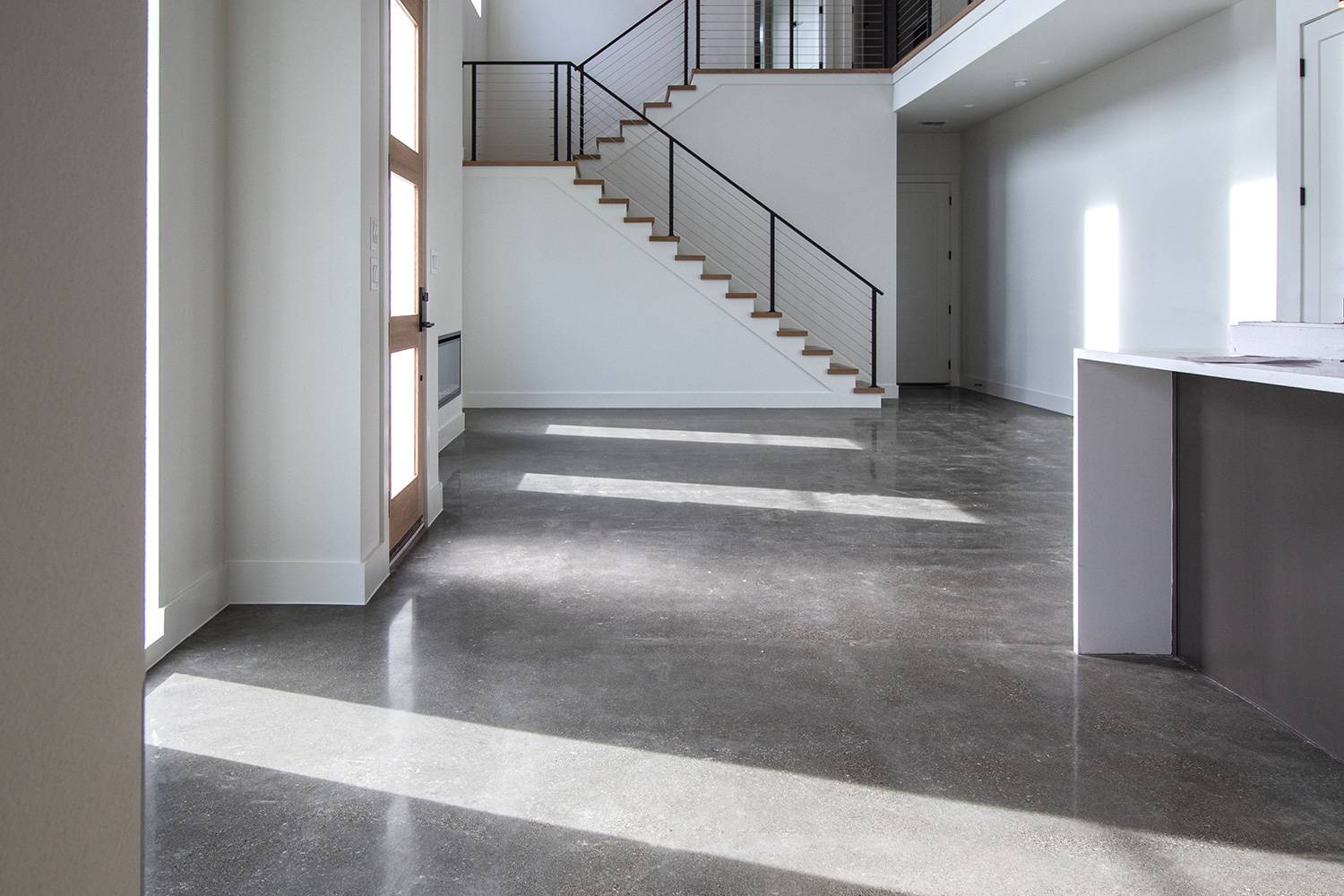
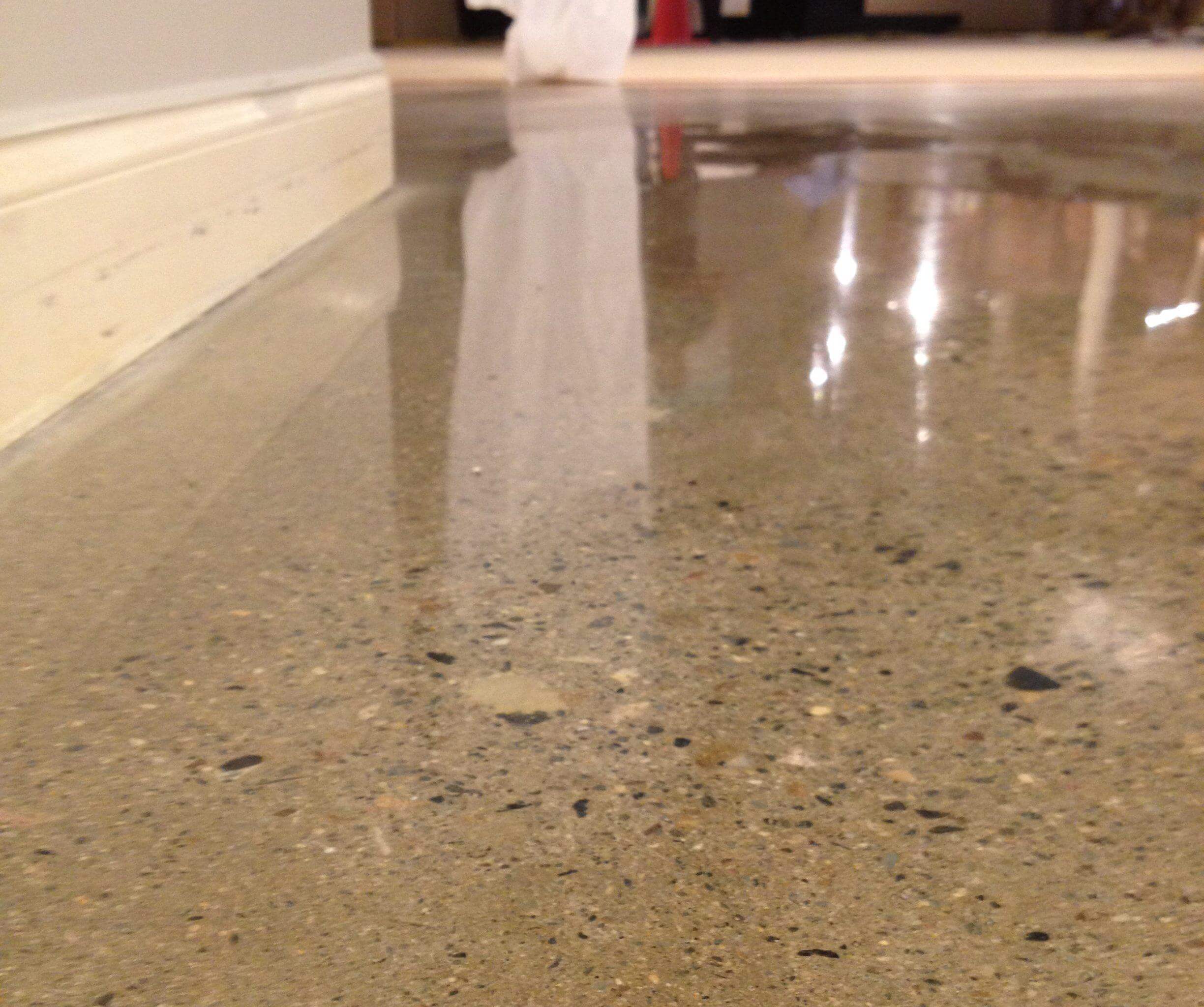
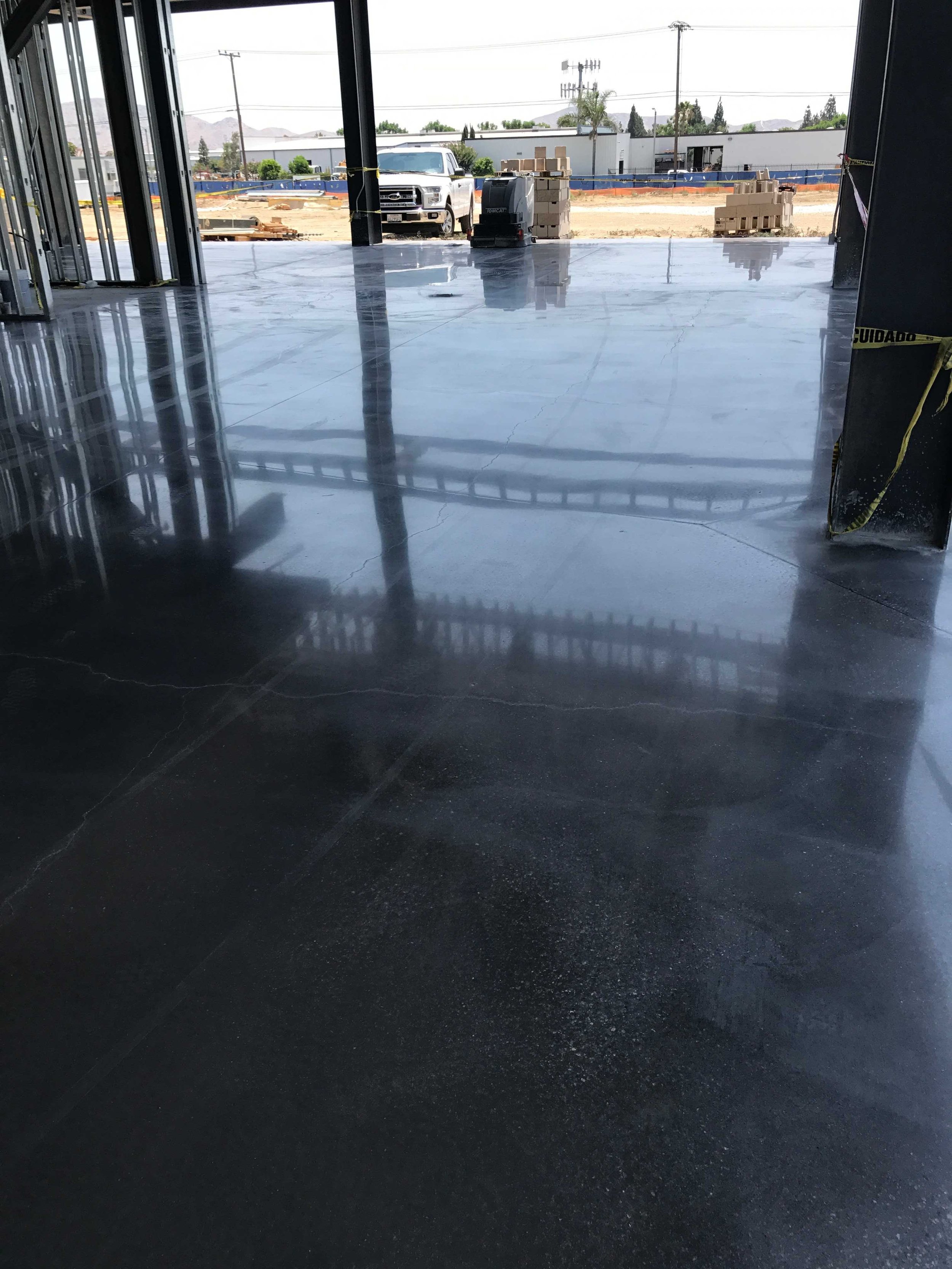
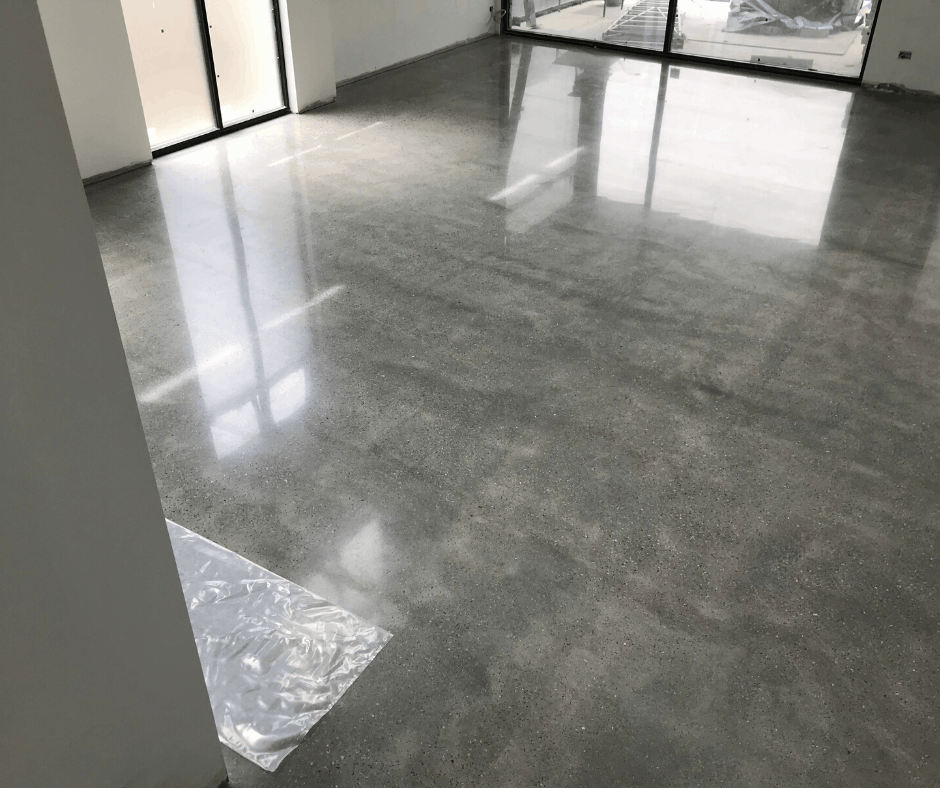
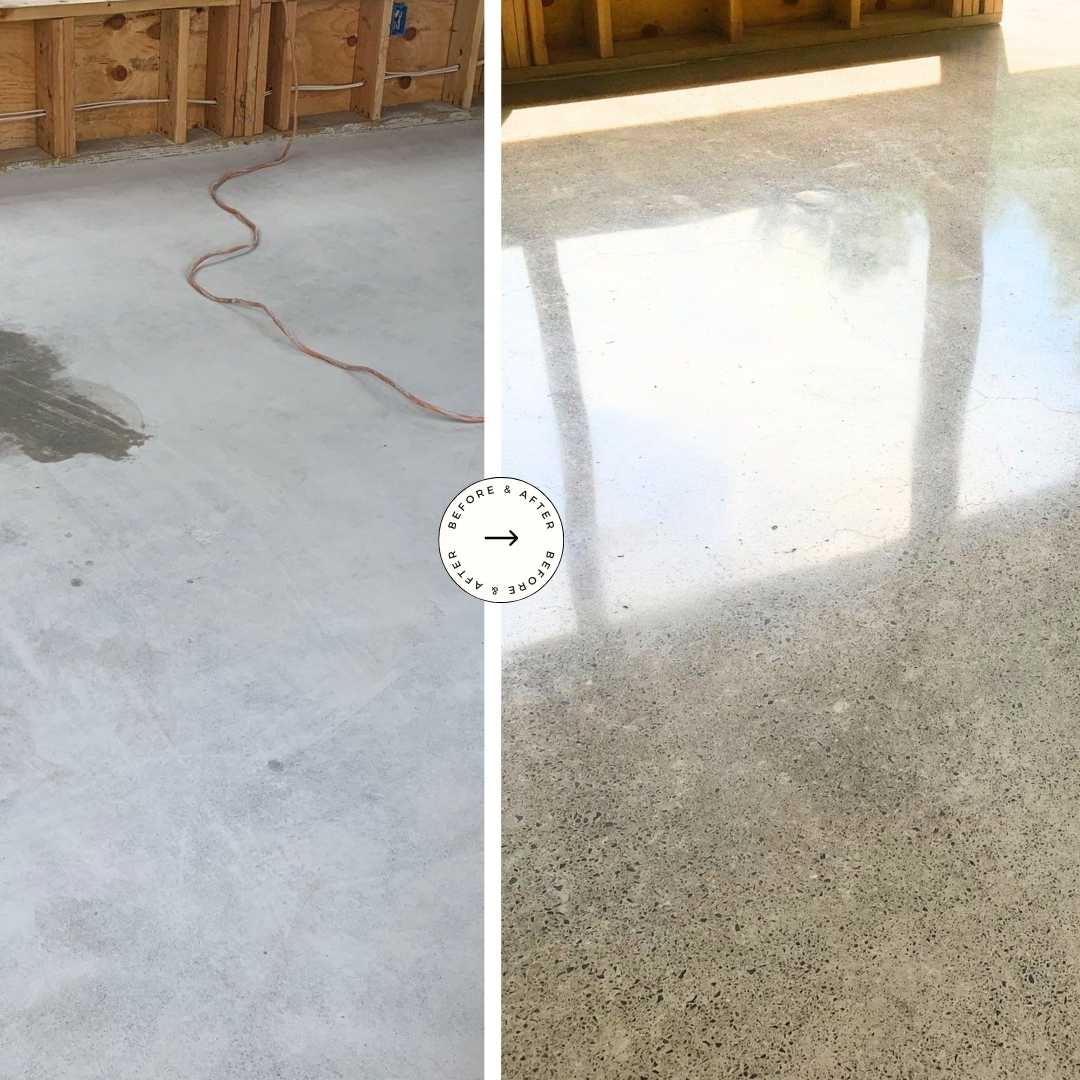
Polished concrete is essentially concrete that has been polished to create a beautiful decorative surface. Concrete polishing is generally done to new concrete surfaces, but it can also be done to existing concrete as a form of concrete resurfacing. The process involves mechanically grinding and honing the concrete to achieve a desired level of sheen or gloss.
Benefits of Polished Concrete Floor
- durability
- low maintenance
- versatility
- affordability
- long-term performance
Installation Process of Polished Concrete
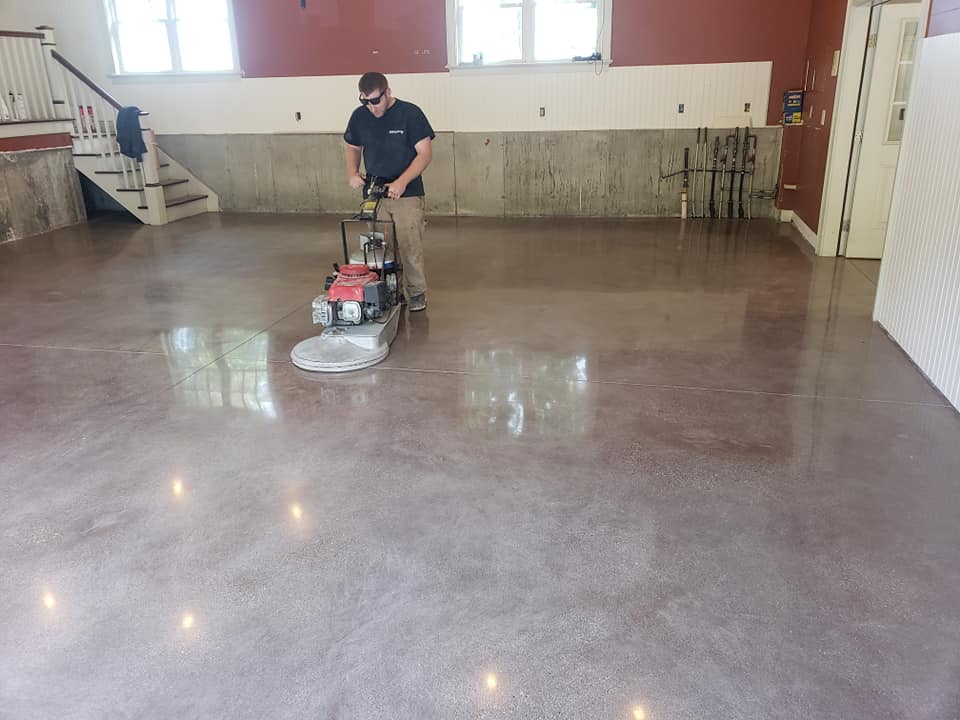
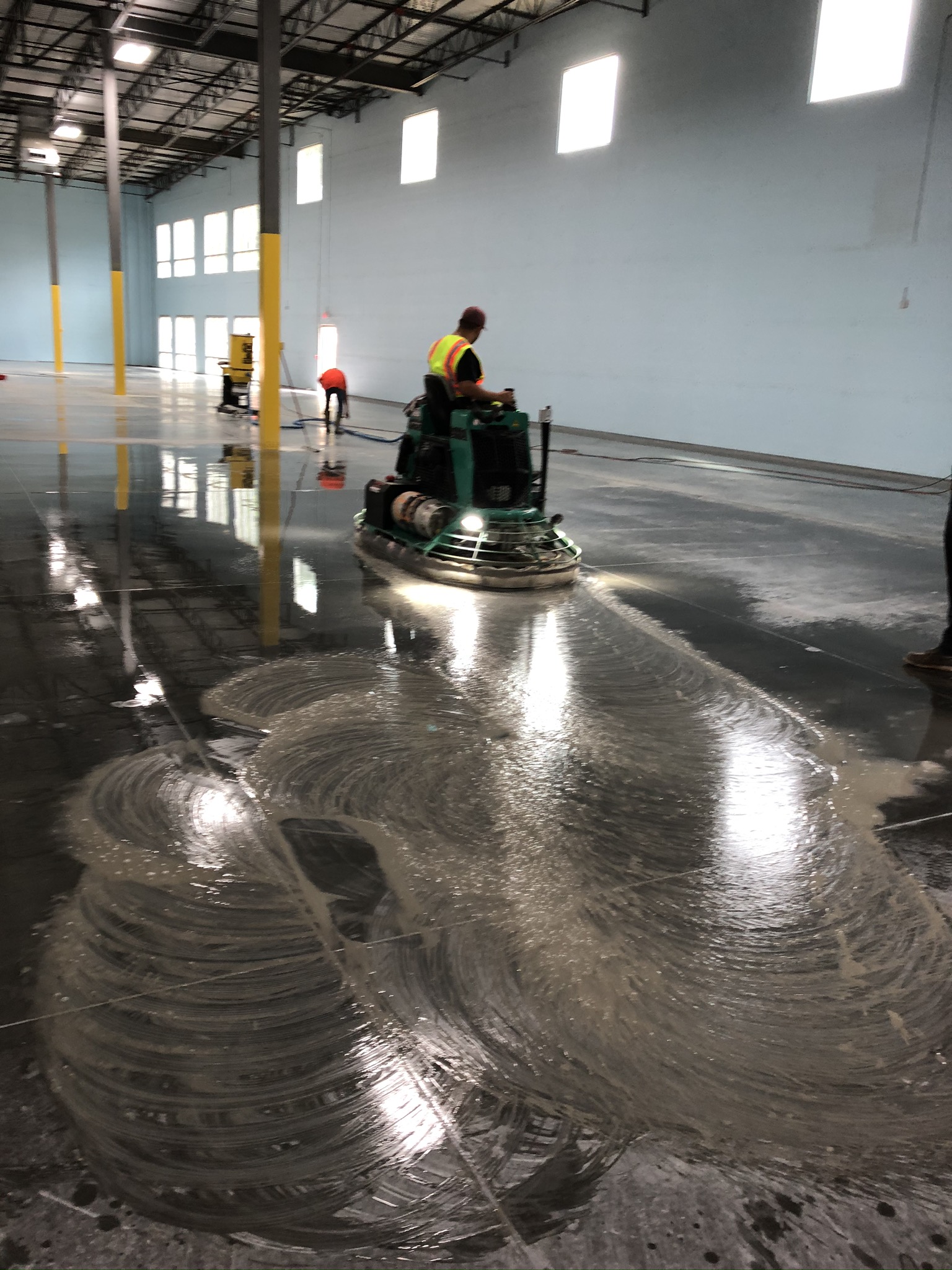
The installation process of polished concrete involves multiple phases, including:
- Preparation of the existing concrete surface
- Grinding with different grit diamond tooling
- Application of a chemical hardener to densify the concrete
- Polishing to achieve a desired level of sheen or gloss
Maintenance Tips for Polished Concrete Floors
Polished concrete floors require minimal maintenance, but regular cleaning and maintenance are necessary to maintain their appearance and longevity. Some maintenance tips include:
- Regularly sweeping or vacuuming the floor to remove dirt and debris
- Mixing a solution of water and a concrete floor cleaner to clean the floor
- Applying a concrete floor sealer to protect the floor from stains and damage
Design Options for Polished Concrete Floors
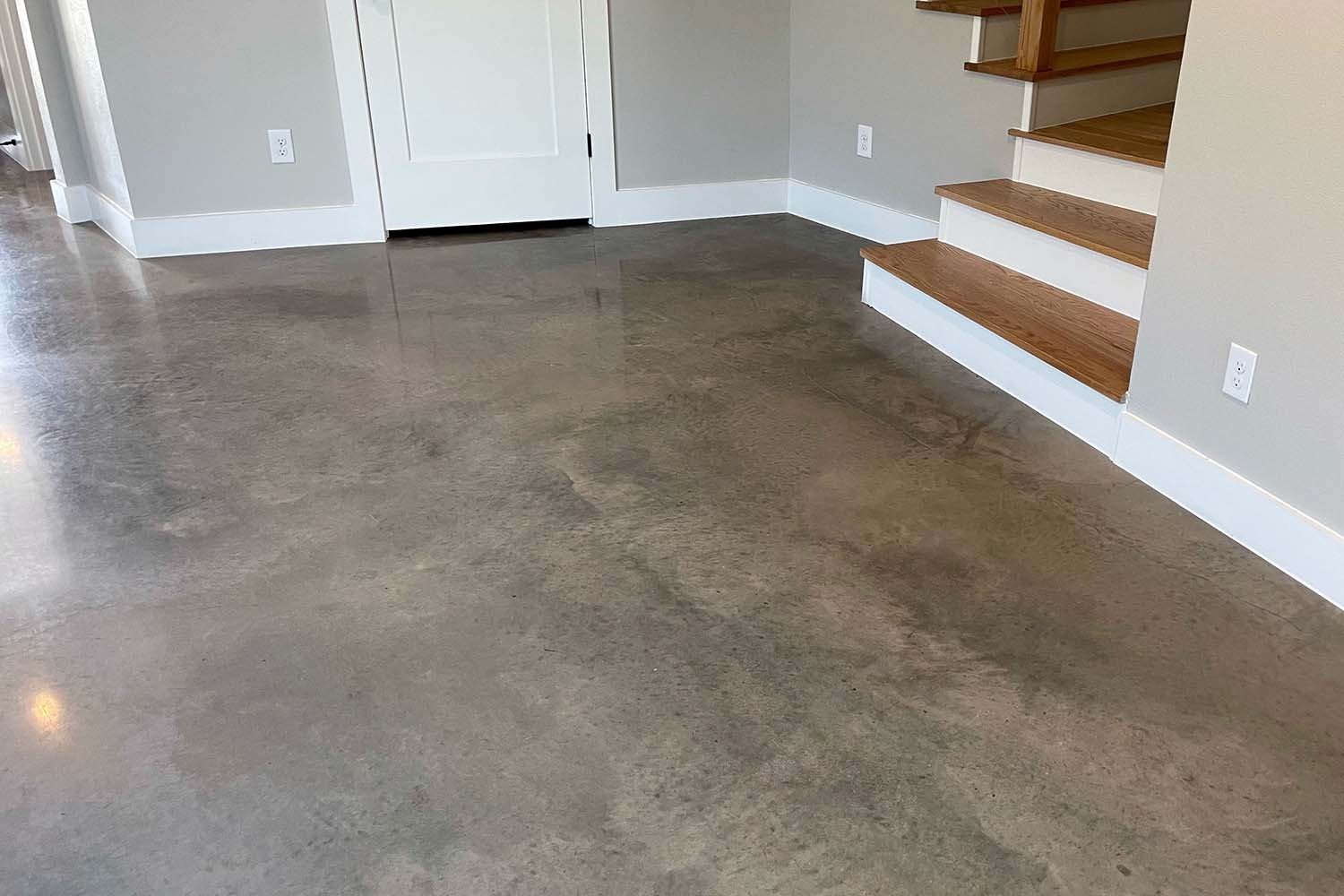
Polished concrete floors can be customized to achieve a wide range of finishes and designs. Some design options include:
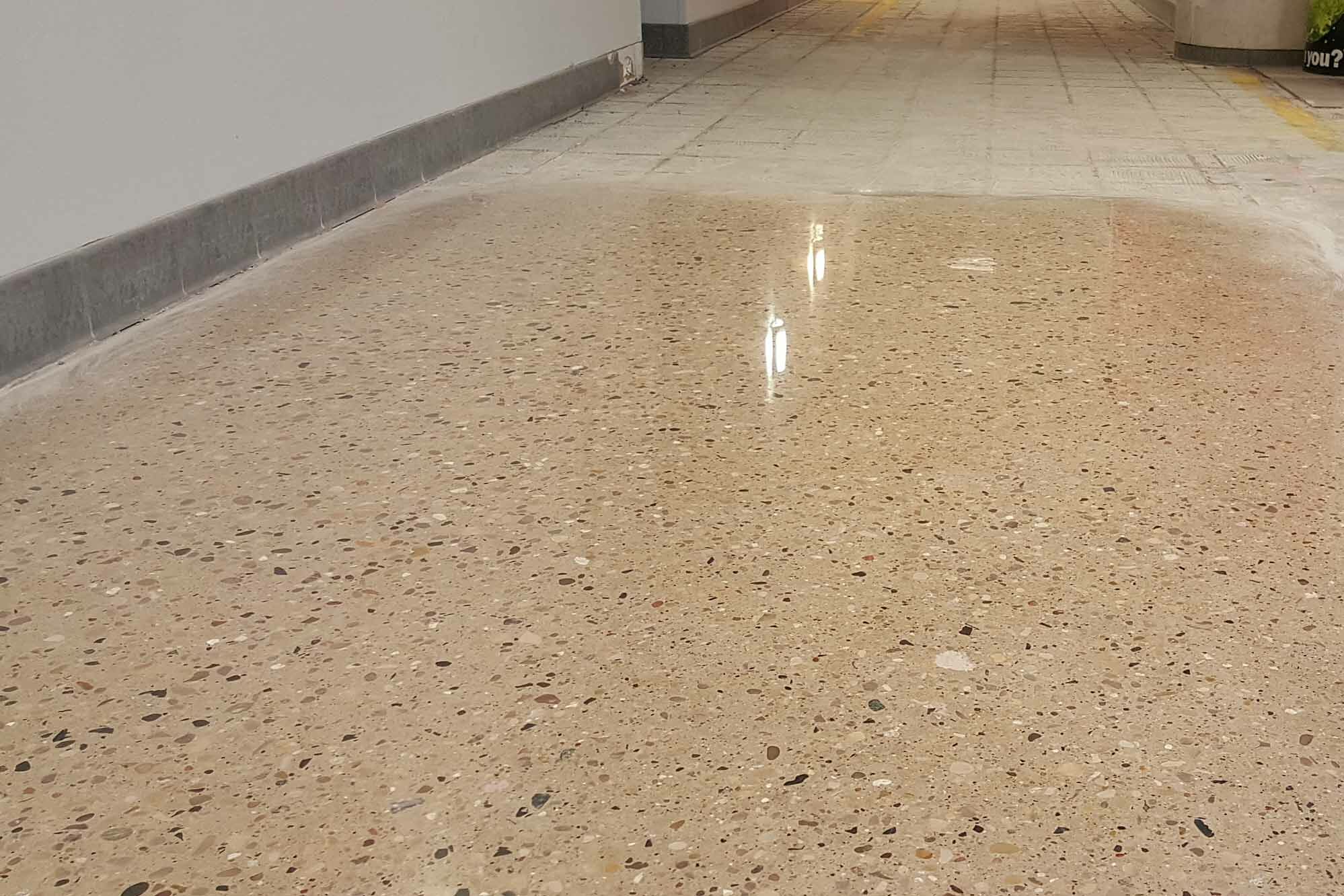
- Different aggregates and colors to create a unique look
- Matte, satin, or high-gloss finishes
- Integrated lighting or decor
- Customized designs and patterns
Polished Concrete Profile: How to Achieve Different Levels of Sheen
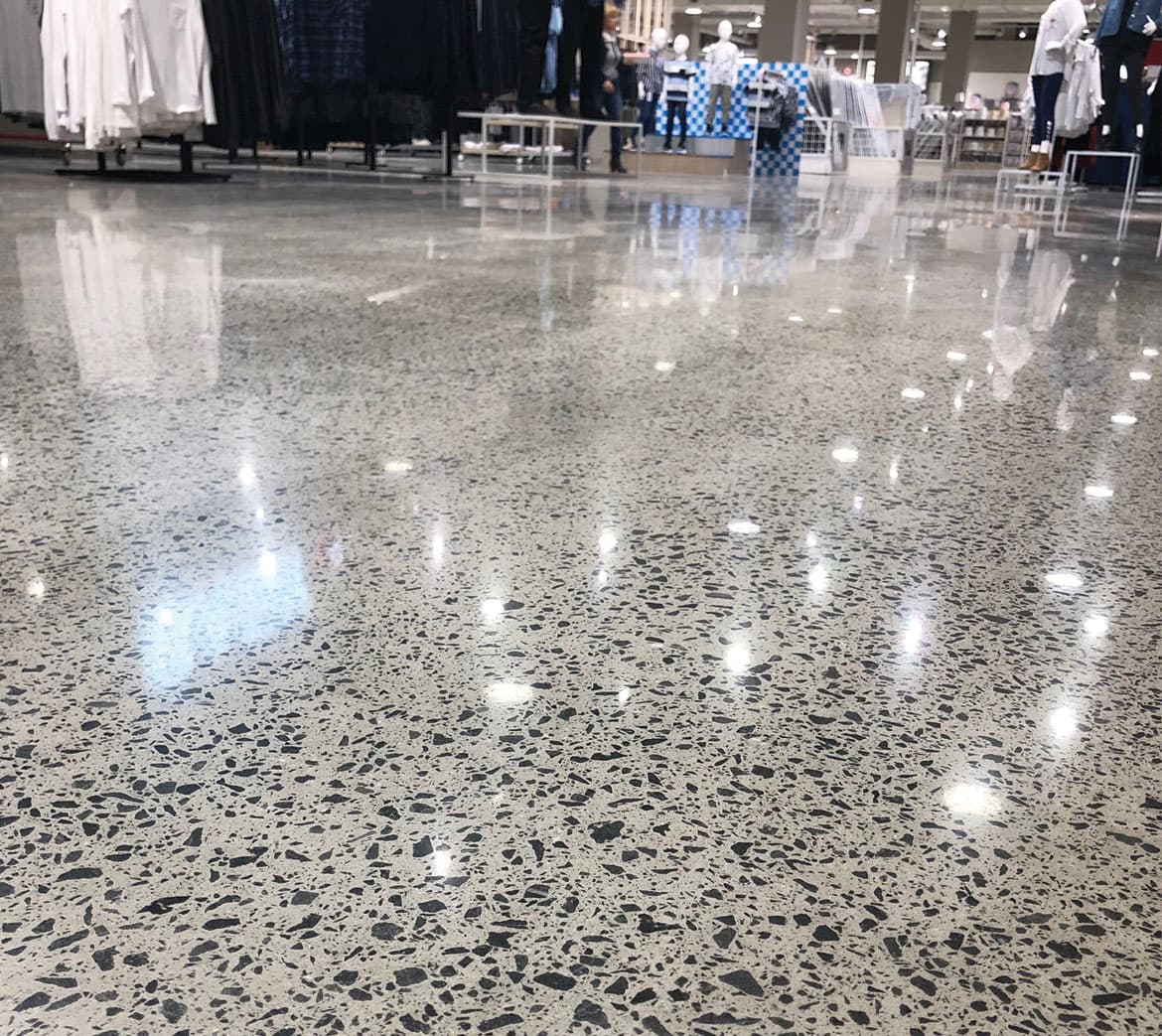
Polished concrete profiles, as outlined by the Concrete Polishing Association of America, include four classes of aggregate exposure and three levels of gloss. To achieve different levels of sheen, manufacturers use various types of polishing compounds and grit patterns. The Concrete Polishing Association of America has categorized polished concrete profiles into the following classes:
- Underlaid (0-5% aggregate exposure)
- Class I (5-20% aggregate exposure)
- Class II (20-50% aggregate exposure)
- Class III (over 50% aggregate exposure)
Why Choose Polished Concrete?
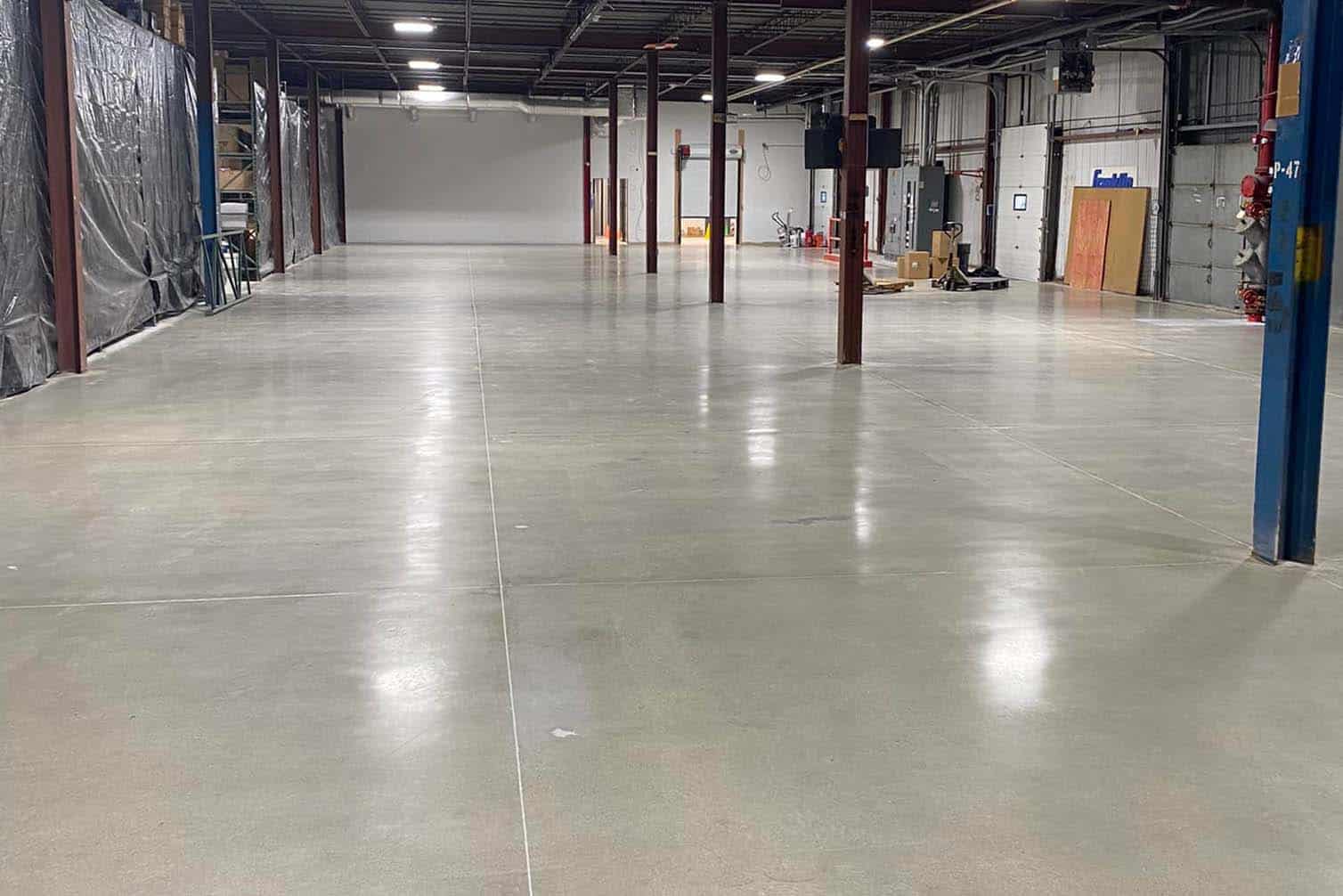
Polished concrete is an attractive flooring choice due to its durability, low maintenance requirements, versatility, affordability, and long-term performance. Polished concrete floors can last for decades with minimal maintenance and can be customized to achieve a unique look and design.
Aesthetic Benefits of Polished Concrete Floors
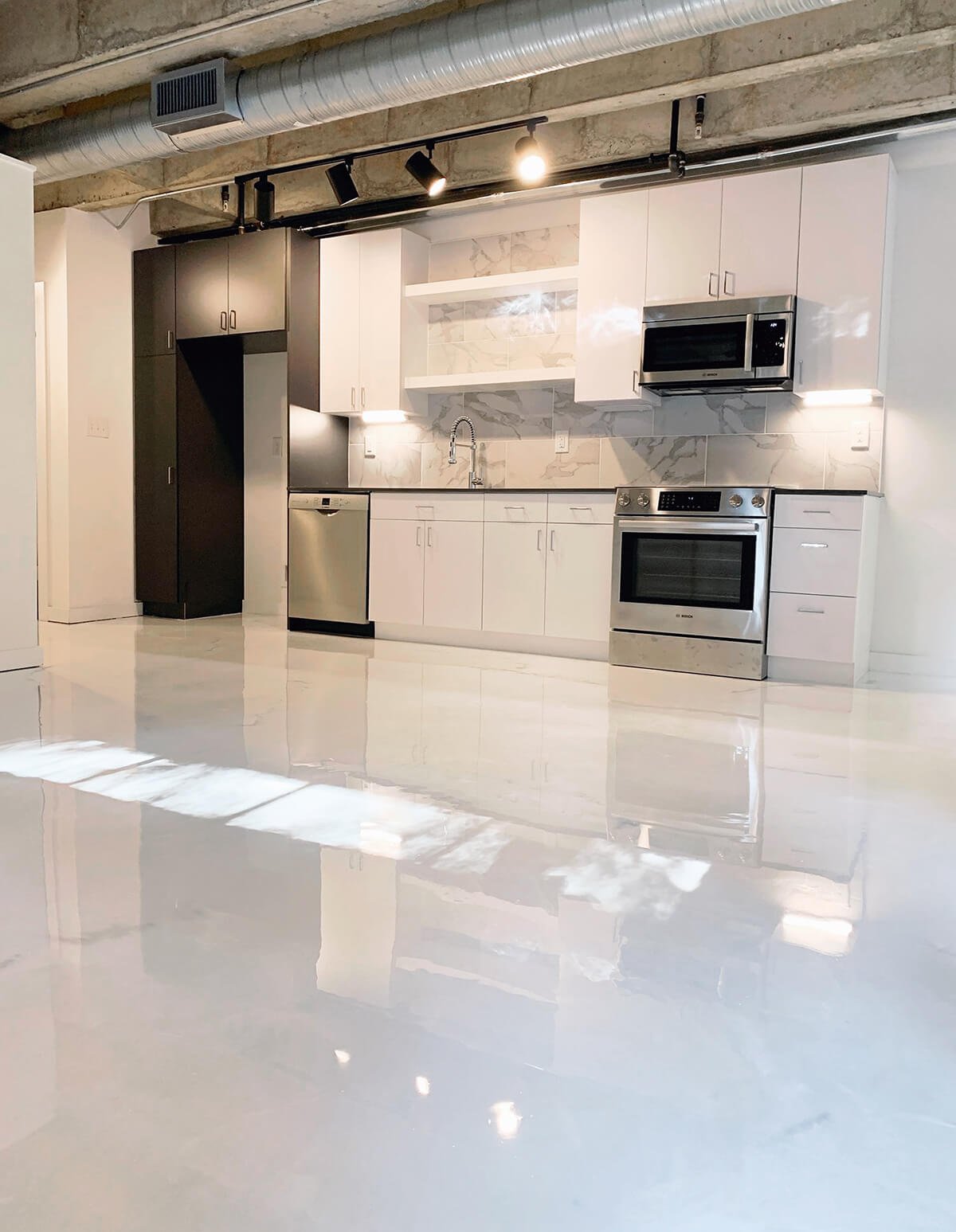
Polished concrete floors have gained popularity due to their sleek, shiny appearance. The polished finish can create a sense of industrial sophistication in both homes and commercial spaces. Polished concrete floors can also help to reflect light and create a sense of brightness and airiness.
Frequently Asked Questions about Polished Concrete
- Q: Is polished concrete suitable for residential and commercial spaces?
- A: Yes, polished concrete is a versatile material that can be used in both residential and commercial spaces.
- Q: Can polished concrete be customized to achieve different finishes and designs?
- A: Yes, polished concrete can be customized to achieve different finishes and designs, including different aggregates and colors.
- Q: Is polished concrete a durable material?
- A: Yes, polished concrete is a durable material that can last for decades with minimal maintenance.