Women's Reproductive Health Issues: Understanding the Importance
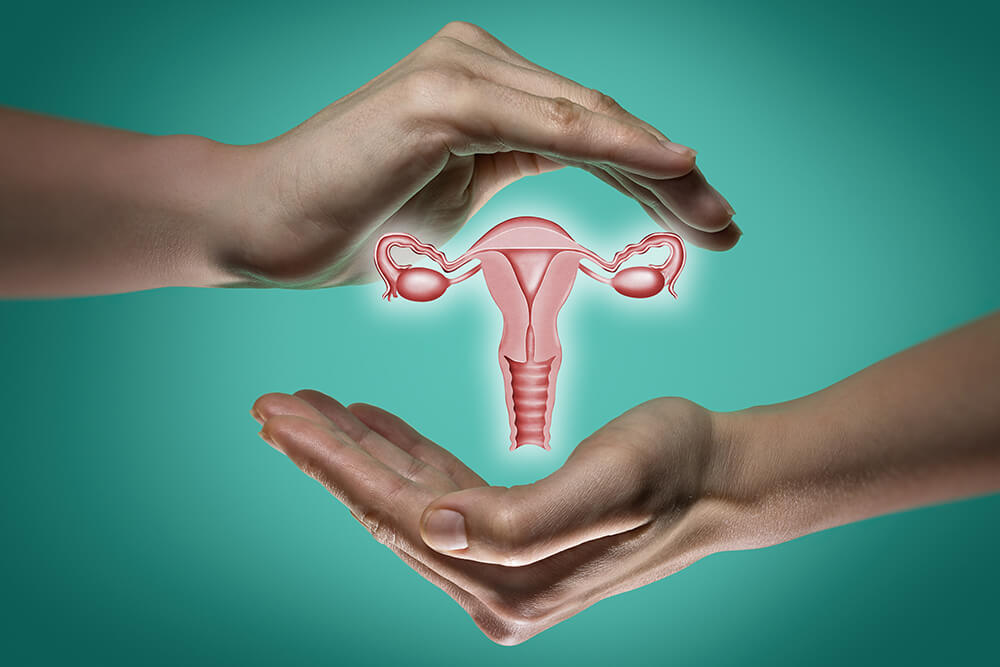
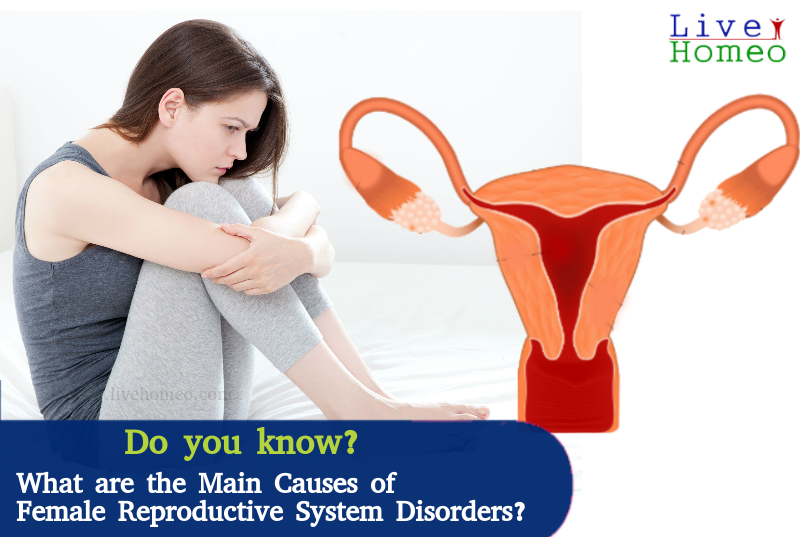
Femalereproductivehealth is an essential area of focus when it comes to women's health. From puberty to menopause, women's bodies experience changes in hormones and bodily functions, primarily influenced by reproductive wellness. This includes internal and external organs that make up the reproductive system. Like all areas of health, reproductive health is influenced by mental, emotional, and physical factors.
Common Reproductive Health Concerns
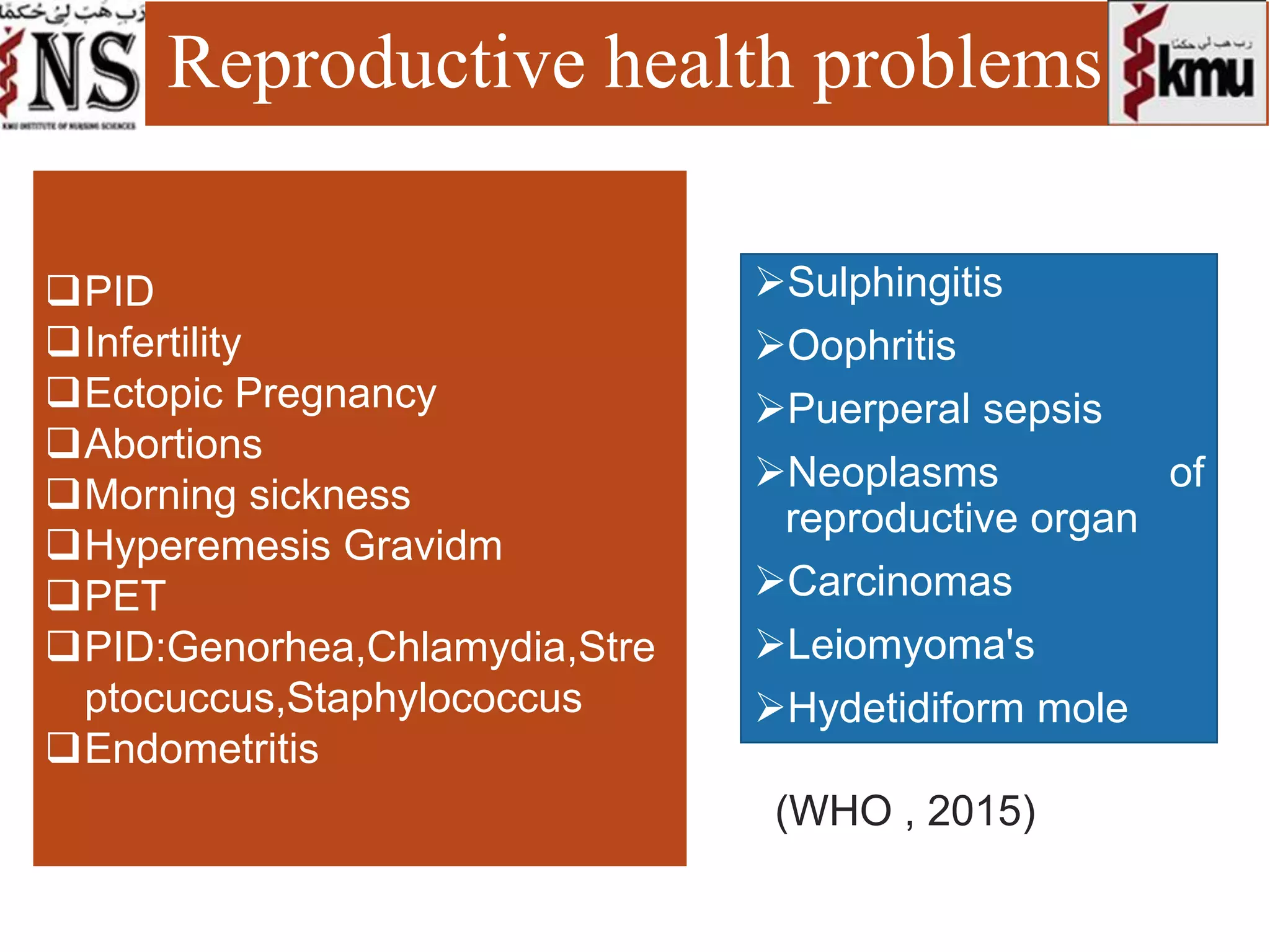
- Endometriosis: a condition in which tissue similar to the lining inside the uterus grows outside of it, causing pain, discomfort, and infertility.
- Uterine Fibroids: non-cancerous growths in the uterus that can cause heavy bleeding, pain, and infertility.
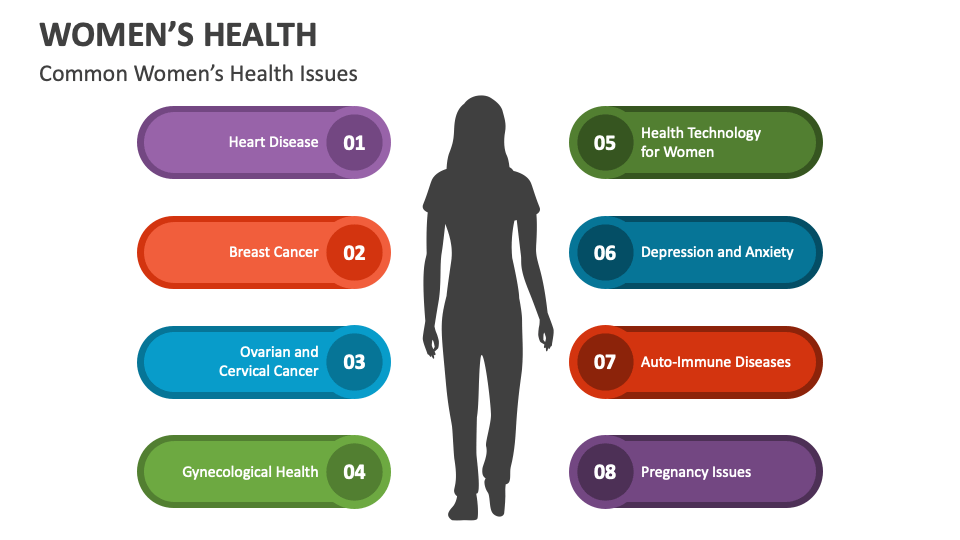
- Gynecologic Cancer: cancers that affect the female reproductive system, including cervical, ovarian, and uterine cancers.
- HIV: a viral infection that can be transmitted through sex and can affect the reproductive system.
- Interstitial Cystitis: a condition in which the bladder and urethra become inflamed, causing pain and discomfort.
- Polycystic Ovary Syndrome (PCOS): a hormonal disorder that causes cysts on the ovaries and can lead to infertility and other health problems.
- Sexually Transmitted Infections (STIs): infections that are transmitted through sex, such as chlamydia and gonorrhea.
- Sexual and Intimate Partner Violence: physical, emotional, or sexual abuse by a partner or intimate partner.
The Importance of Reproductive Health
Your reproductive health can impact your fertility, your moods, and your energy levels. Understanding common reproductive health concerns can make it easier for you to approach your doctor about potential treatment – or even to simply understand the difference between what's "normal" and what you may need a more comprehensive approach to address.
Understanding the Connection Between Reproductive Health and Other Health Issues
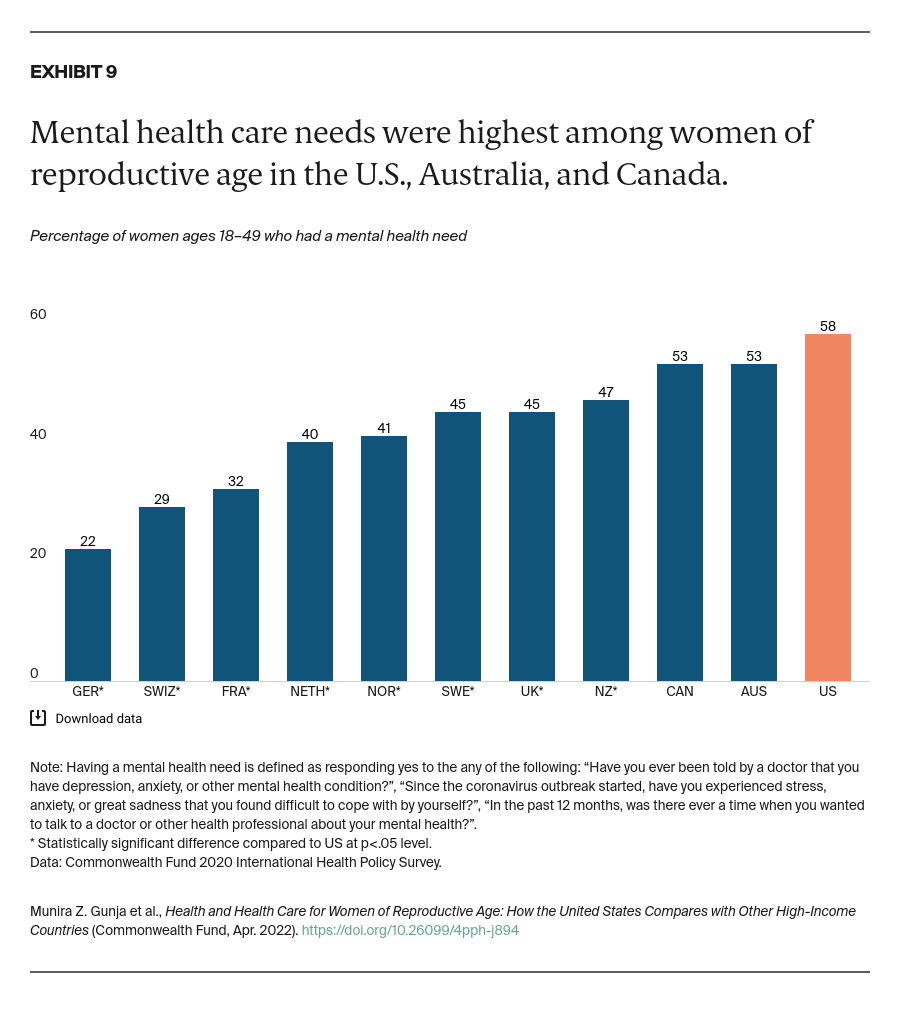
There is a growing body of research that suggests that reproductive health is closely linked to other health issues, including autoimmune disorders, fertility problems, and even mental health. For example, studies have shown that women who experience reproductive health problems are more likely to develop autoimmune disorders such as rheumatoid arthritis and lupus.
Environmental Toxins and Reproductive Health
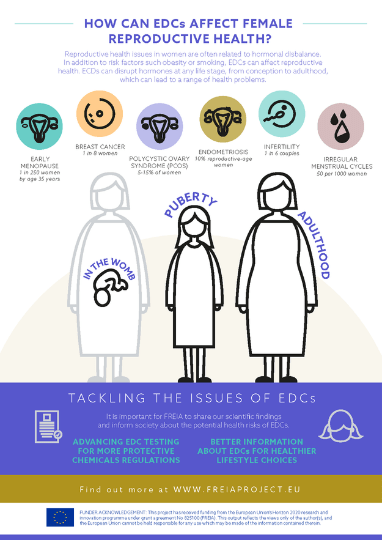
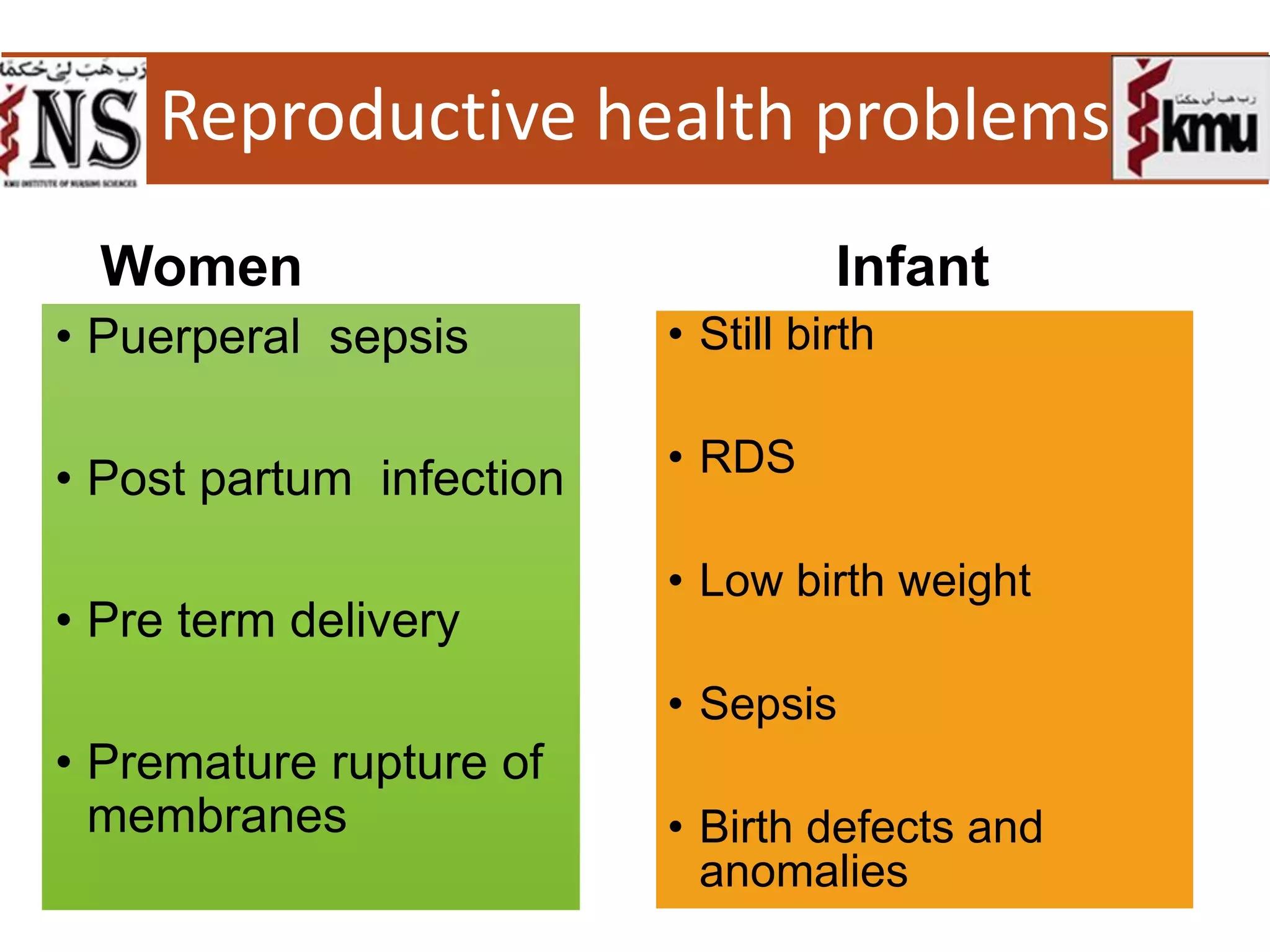
Research has also shown that environmental toxins can have a significant impact on reproductive health. For example, exposure to pesticides has been linked to an increased risk of reproductive health problems, including miscarriage and birth defects. This highlights the importance of taking steps to reduce exposure to environmental toxins and promote a healthy environment.
Sexual and Reproductive Health Education
Education is key to promoting healthy reproductive habits and reducing the risk of reproductive health problems. This includes education on safe sex practices, birth control methods, and the importance of regular gynecological check-ups.
Advocating for Reproductive Justice
Reproductive justice is a critical issue that affects women and marginalized communities. It involves advocating for access to reproductive healthcare, education, and resources, as well as challenging the systemic barriers that prevent women from making informed choices about their bodies and health.
Conclusion
Women's reproductive health issues are a critical area of focus in today's society. By understanding the importance of reproductive health and addressing the common reproductive health concerns, we can promote healthy habits, reduce the risk of reproductive health problems, and advocate for reproductive justice. It is essential to approach these issues with sensitivity, empathy, and a commitment to promoting health and well-being for all women.