Can I Take Ibuprofen When Pregnant?
When pregnant, it can be overwhelming trying to determine which medications are safe to take. Advil (ibuprofen) is a commonly used medication for pain and fever relief, but it's not recommended to take during pregnancy. However, there are alternatives to choose from, particularly acetaminophen, which is considered safe to take during pregnancy.
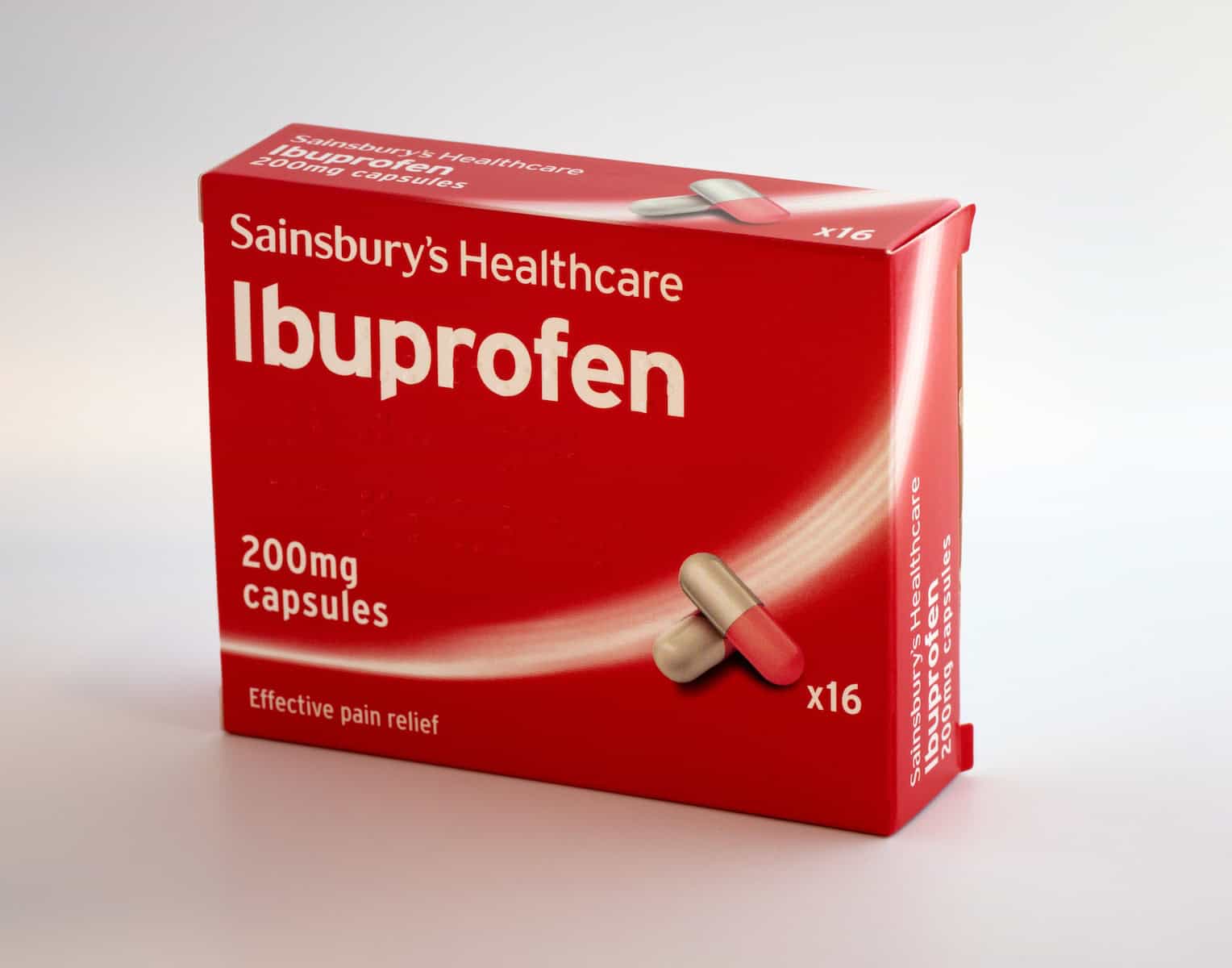
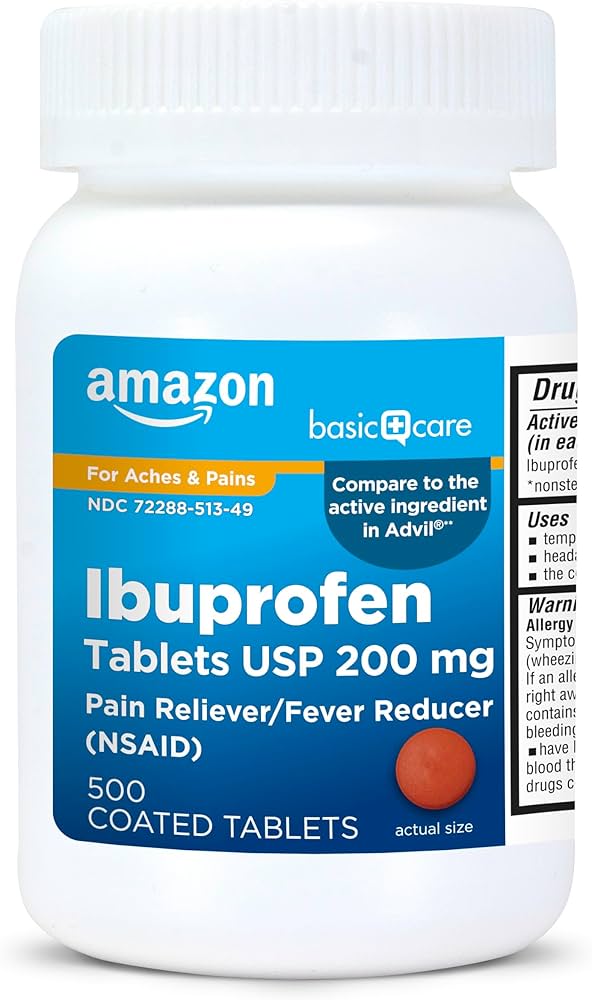
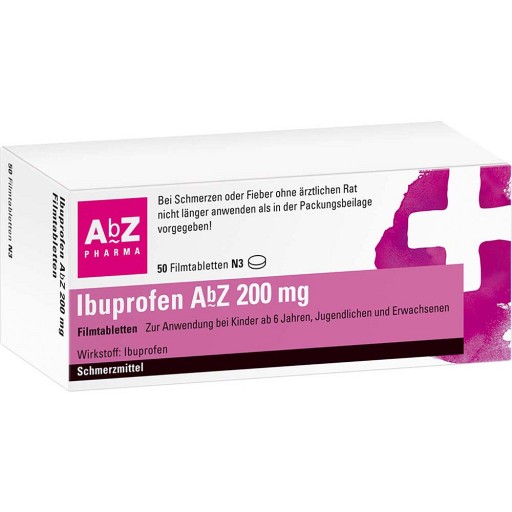
Advil, or ibuprofen, is a nonsteroidal anti-inflammatory drug (NSAID) used to treat mild to moderate pain, like headache, muscle strain, and menstrual cramps. It can also reduce inflammation in the body and lower fevers. But unlike acetaminophen (Tylenol), which is considered safe to take during pregnancy, ibuprofen is not recommended.
Why Ibuprofen is Not Recommended during Pregnancy
- Experts found that NSAIDs, like ibuprofen, can harm an unborn baby.
- Specifically, taking ibuprofen after 20 weeks of pregnancy can cause birth defects and other complications.
Alternatives to Ibuprofen during Pregnancy
- Acetaminophen, such as Tylenol, is generally considered safe to take during pregnancy.
- Other pain relief options include topical creams and gels, which can be applied to the skin without systemic absorption.
Ibuprofen Dosage and Side Effects
For adults, the maximum dose for prescription ibuprofen is up to 3,200 mg per day, depending on what you're taking it for. However, the maximum recommended dose for over-the-counter ibuprofen products, such as Advil, is typically lower, up to 1,200 mg per day.
Common side effects of ibuprofen include stomach irritation, indigestion, and, in some cases, reduced kidney function or increased bleeding risk.
Precautions and Contraindications
Doctors generally advise against taking ibuprofen during pregnancy, particularly after 20 weeks. However, if a doctor has prescribed ibuprofen for a specific condition, it may be necessary to continue taking it.
Moreover, taking ibuprofen during pregnancy may harm the baby.
Alternatives to Ibuprofen
For pain relief, pregnant women may consider other options, including:
- Acetaminophen,
- Topical creams and gels,
- Heat or cold therapy.

Consulting a Healthcare Provider
If you're unsure about taking ibuprofen or any other medication during pregnancy, it's essential to consult a healthcare provider. They can advise on safe options for pain relief and monitor your pregnancy for any potential complications.
Conclusion
While ibuprofen may be available over the counter, it's not recommended to take it during pregnancy. The safest option for pain relief during pregnancy is acetaminophen or other alternative pain relief options. It's crucial to prioritize your health and the health of your unborn baby during this time.
Consult a healthcare provider before taking any medication, especially if you're pregnant or breastfeeding.
Frequently Asked Questions
Q: Can I take ibuprofen during the first trimester?
A: It's not recommended to take ibuprofen during the first trimester, as the risks to the baby are uncertain. However, if you've taken ibuprofen during the first trimester, consult your healthcare provider for guidance.
Q: Can I take ibuprofen while breastfeeding?
A: It's generally recommended to avoid taking ibuprofen while breastfeeding, as it can pass into breast milk and potentially harm the baby. However, if your healthcare provider has advised you to take ibuprofen for a specific condition, follow their guidance.
Q: Can I take other medications along with ibuprofen?
A: It's essential to consult your healthcare provider before taking other medications, including ibuprofen. They can advise on potential interactions and monitor your health for any adverse effects.
Q: What are the benefits of taking ibuprofen during pregnancy?
A: The benefits of taking ibuprofen during pregnancy are limited, particularly after 20 weeks. However, ibuprofen may provide relief for certain pain conditions, such as menstrual cramps or migraines. It's essential to consult your healthcare provider for personalized advice.