Digital Distraction: The Hidden Enemy of Productivity and Well-being
In today's world, we are constantly connected to our devices, and the digital landscape is more vast than ever. With the rise of social media, email, and messaging apps, it's easier than ever to get sidetracked and lose focus. Digital distraction has become a pervasive issue, affecting not only our productivity but also our mental and emotional well-being.
The Causes of Digital Distraction
So, what causes digital distraction? There are several factors at play, including:
- Notifications and alerts**: The constant ping of notifications from our devices can be distracting and disrupt our workflow.
- Social media**: Social media platforms are designed to be addictive, with algorithms that keep us engaged for as long as possible.
- Email and messaging**: The pressure to respond to emails and messages quickly can lead to multitasking and divided attention.
- Digital media**: The abundance of digital media, such as online videos and podcasts, can be a significant source of distraction.
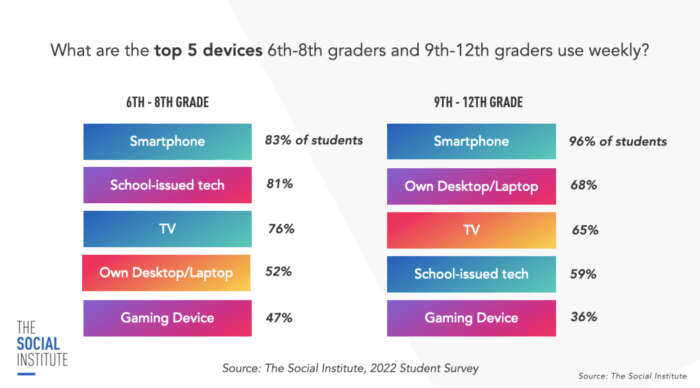
- Smartphone addiction**: Our smartphones have become an integral part of our daily lives, making it difficult to put them down and focus on other tasks.
The Effects of Digital Distraction
Digital distraction can have serious consequences on our productivity, mental health, and relationships. Some of the effects include:

- Reduced productivity**: Digital distraction can lead to a decrease in productivity, as we get sidetracked and lose focus.
- Increased stress**: The constant pressure to respond to notifications and stay connected can lead to feelings of anxiety and stress.
- Mental health concerns**: Excessive digital use has been linked to depression, anxiety, and other mental health concerns.
- Strained relationships**: Digital distraction can lead to neglect of relationships, as we spend more time interacting with our devices than with other people.
Breaking Free from Digital Distraction
So, how can we break free from digital distraction and regain control over our lives? Here are some practical strategies:
- Implement digital detox**: Set aside device-free time each day or week to relax and recharge.
- Use website blockers**: Tools like Freedom, SelfControl, and StayFocusd can block distracting websites and apps during certain periods.
- Set boundaries**: Establish clear boundaries around your device use, such as not using your phone during meals or before bed.
- Practice mindfulness**: Regular mindfulness practice can help you develop greater awareness of your thoughts and actions, making it easier to stay focused.
- Seek accountability**: Share your goals and progress with a friend or mentor to increase motivation and accountability.
Conclusion
Digital distraction is a pervasive issue that affects us all. By understanding the causes and effects of digital distraction, we can take steps to break free from its grip and regain control over our lives. By implementing practical strategies and being mindful of our device use, we can reduce distractions, increase productivity, and improve our overall well-being.