Digital Etiquette: The Unwritten Rules of Online Behavior
As we navigate the vast expanse of the digital world, it's easy to forget the importance of basic human courtesy. However, the truth is that digital etiquette, or netiquette, is just as crucial as ever. In this article, we'll explore the concept of digital etiquette, its significance, and provide practical tips for practicing good digital etiquette in various online scenarios.
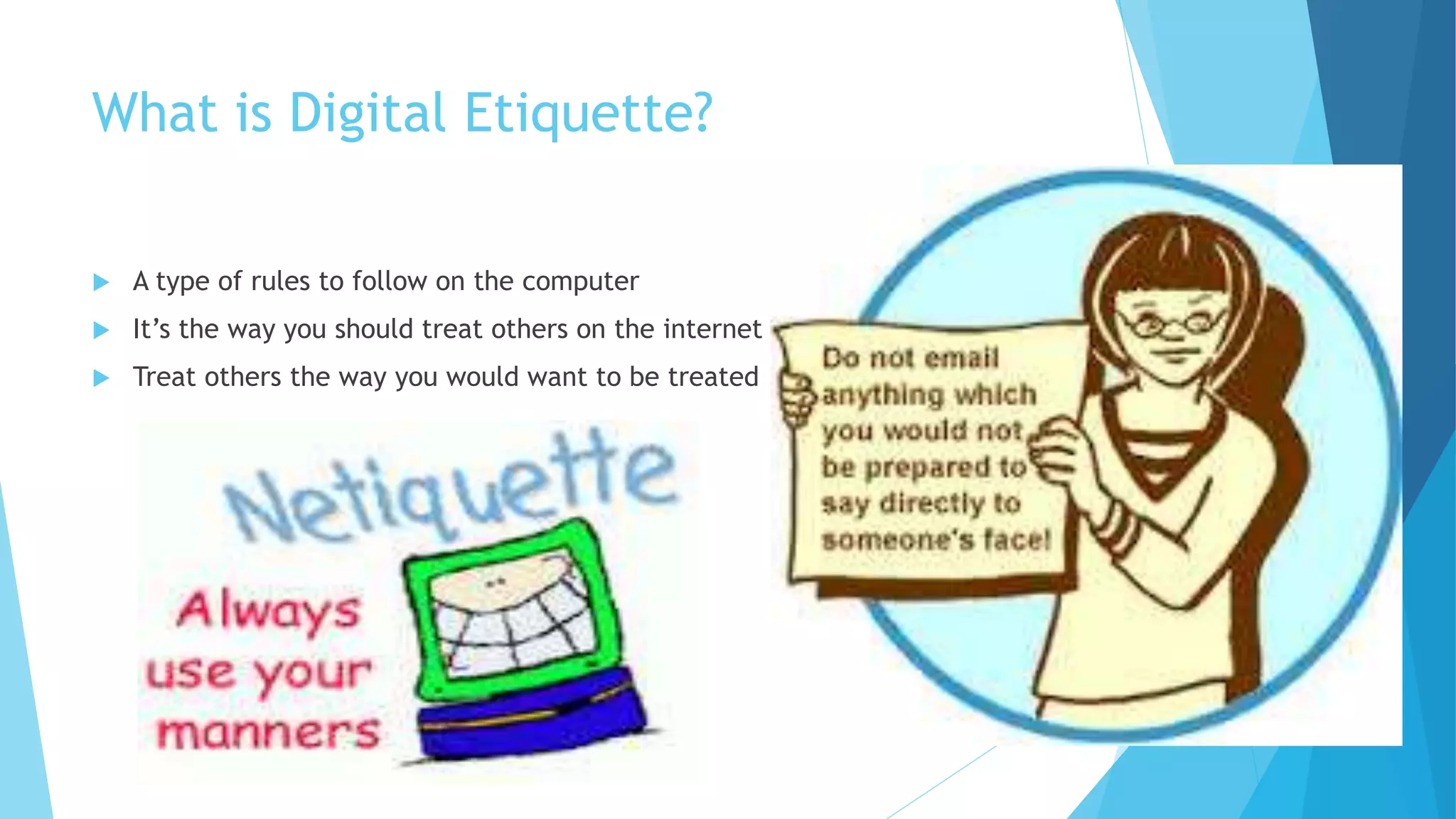
What is Digital Etiquette?
Also known as netiquette, digital etiquette refers to the unwritten rules and behaviors that guide courteous, respectful, and ethical behavior online. In essence, it's a set of norms that foster a positive and safe online environment for all participants. Digital etiquette encompasses a broad range of online interactions, including emailing, instant messaging, social media posting, and online gaming.
Why is Digital Etiquette Important?
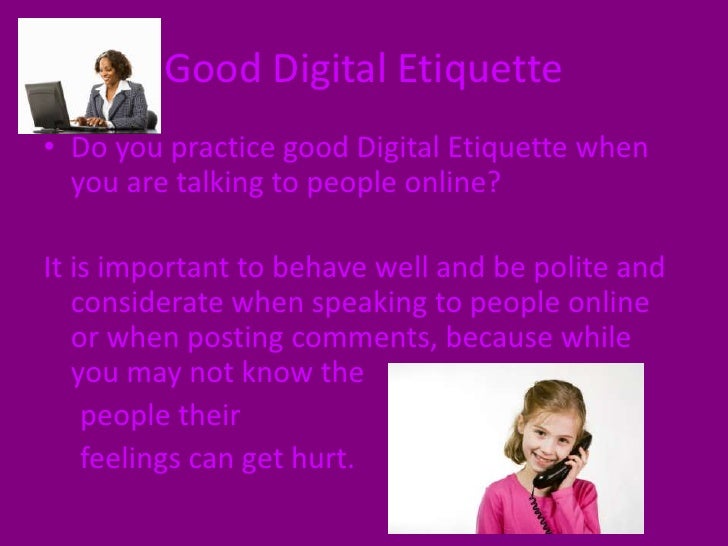
In today's digital age, we're constantly connected to the internet, whether it's through our personal devices, social media, or online forums. As a result, it's easier than ever for our words and actions to be misinterpreted or spread quickly. Practicing good digital etiquette is essential for building a positive online presence, maintaining professionalism, and preventing misunderstandings and conflicts.
Here are some key reasons why digital etiquette matters:
- Respectful communication: Digital etiquette helps us communicate effectively and respectfully with others online, avoiding misunderstandings and conflicts.
- Positive online presence: By practicing good digital etiquette, we can build a positive online reputation and maintain a professional image in our personal and professional lives.
- Prevents harassment: Digital etiquette rules help prevent online harassment, cyberbullying, and other forms of digital abuse.
- Enhances online safety: By being mindful of our online behavior, we can minimize the risks of identity theft, online scams, and other digital threats.
- Improves online engagement: Good digital etiquette promotes constructive dialogue, reduces online conflicts, and fosters a sense of community and belonging in online forums and social media.
10 Digital Etiquette Rules to Follow
Here are 10 essential digital etiquette rules to keep in mind:
- Be respectful and considerate in your online interactions.
- Use clear and concise language in emails, messages, and online posts.
- Avoid using jargon, slang, or overly technical terms that may confuse others.
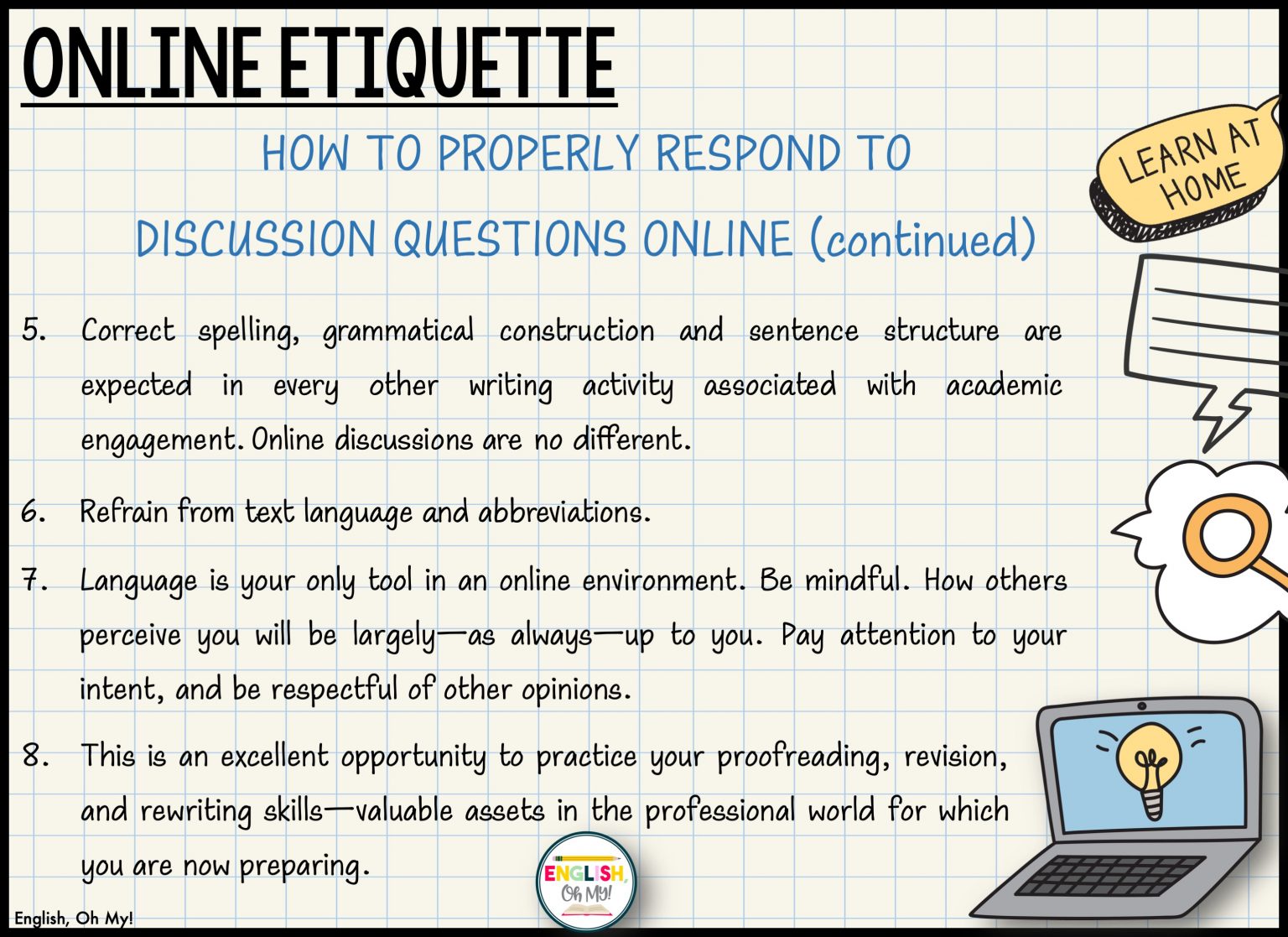
- Proofread and edit your online content for grammar, spelling, and punctuation errors.
- Use appropriate emoticons and emojis to convey tone and emotion online.
- Be mindful of cultural differences and nuances when interacting with others online.
- Respect others' opinions, beliefs, and perspectives, even if you disagree.
- Avoid sharing personal or confidential information online.
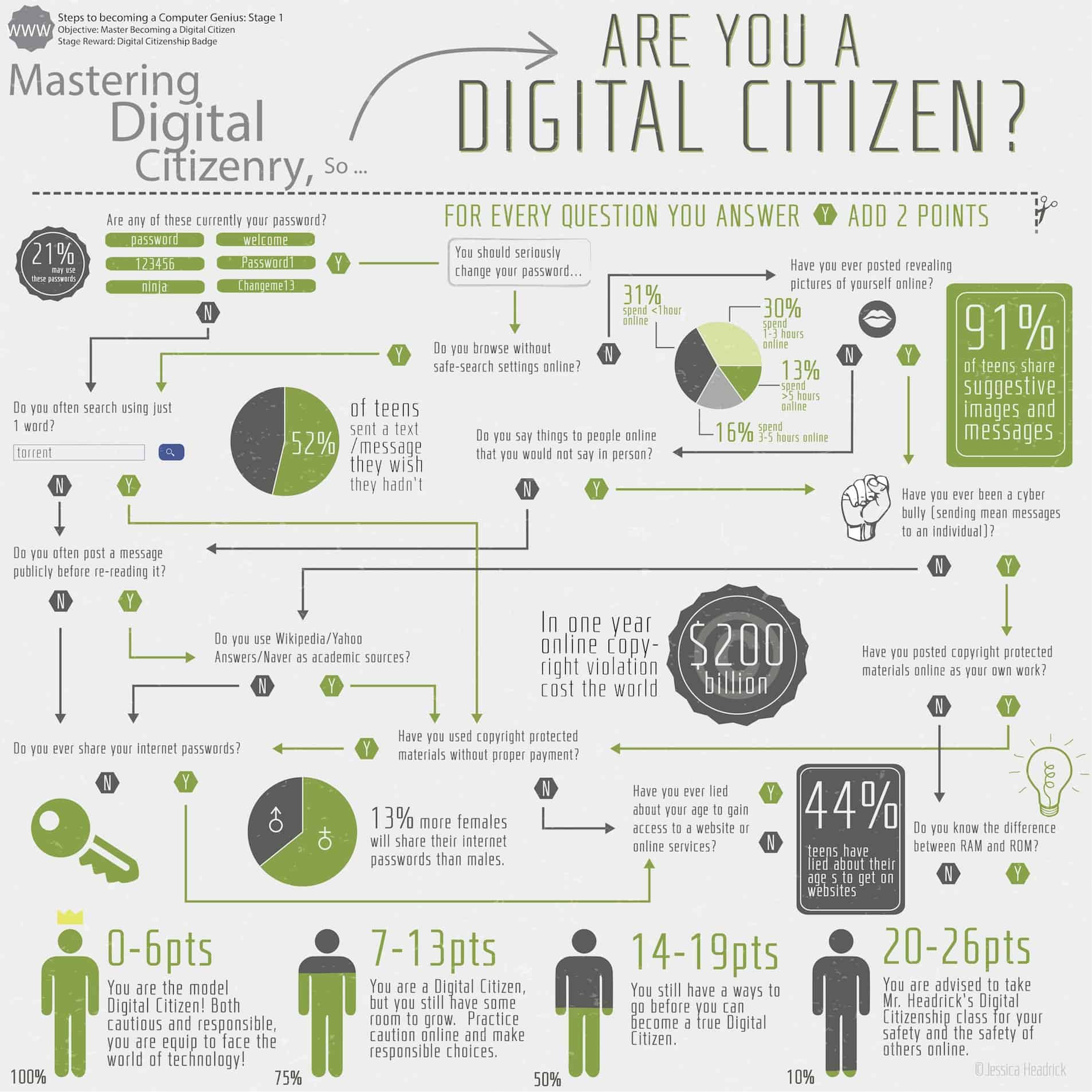
- Use strong, unique passwords and keep them confidential.
- Report online harassment, abuse, or other forms of digital misconduct.
Conclusion
Digital etiquette is a critical component of modern communication, and its importance cannot be overstated. By practicing good digital etiquette, we can build positive relationships, prevent misunderstandings and conflicts, and present ourselves in a professional and positive light. Remember, digital etiquette is a set of unwritten rules that can make a significant difference in our online interactions. By following these simple guidelines, we can create a safer, more respectful, and more enjoyable online environment for everyone.