Understanding Doomscrolling Culture: A Habit That Affects Our Mental and Physical Wellbeing
What is Doomscrolling Culture?
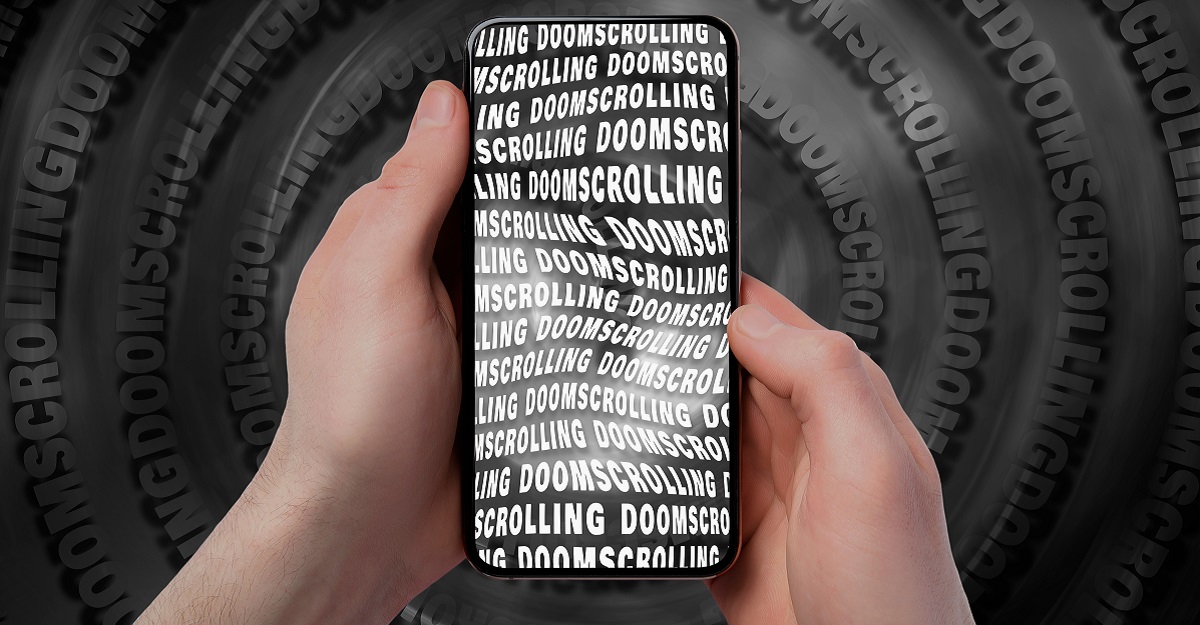
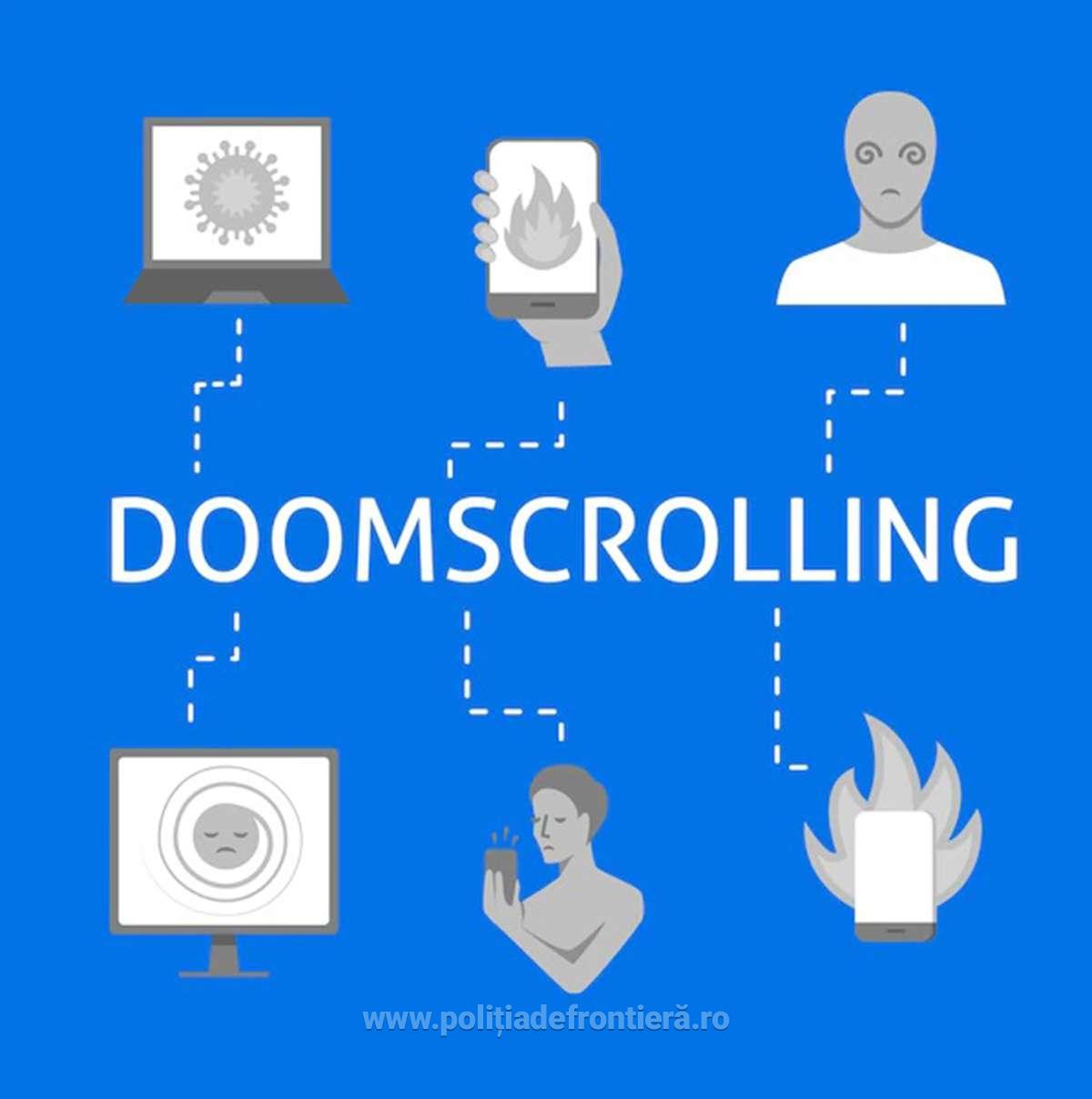
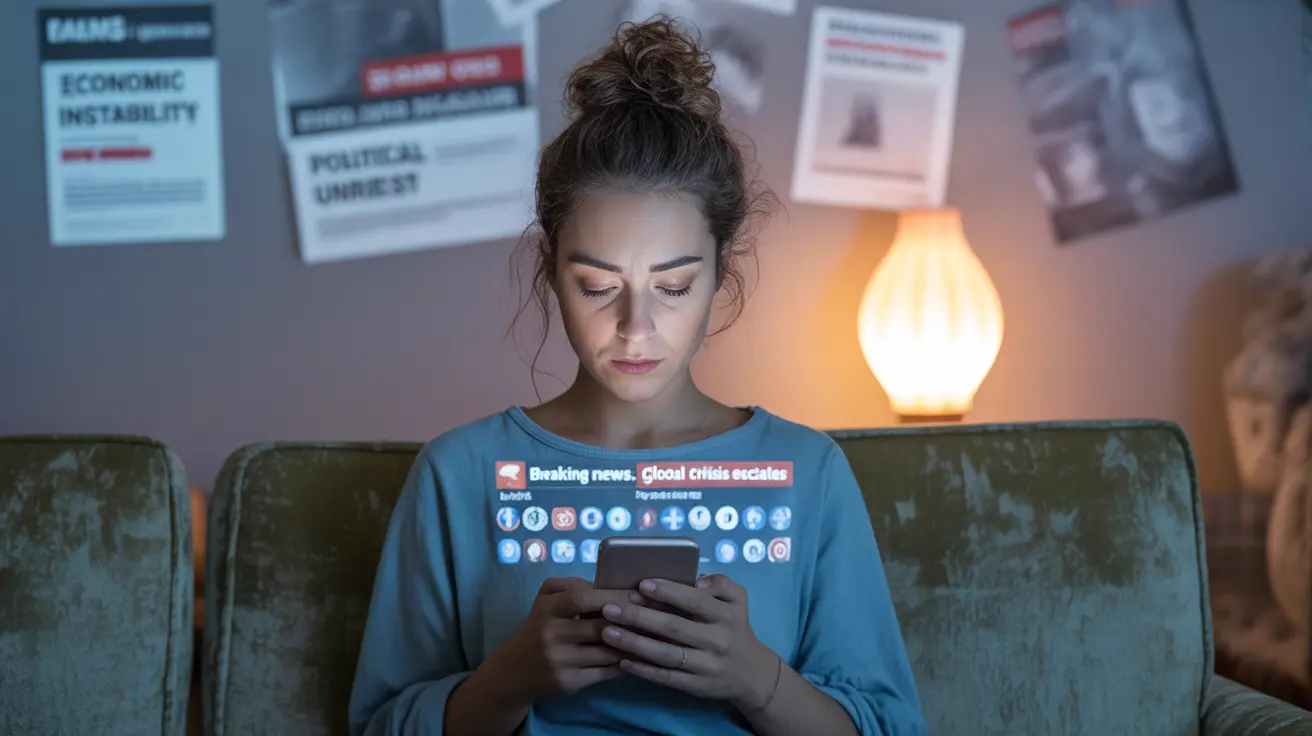
Doomscrolling culture refer to the habit of consuming negative news online repeatedly until it starts to significantly impact our emotional wellbeing. This concept emerged as a significant concern during the COVID-19 pandemic but has been prevalent since around 2018. Essentially, doomscrolling convinces us that if we gather more information, we might feel better.
How Doomscrolling Affects Our Mental and Physical Health
- Gateway to anxiety, stress, and distrust: Doomscrolling is linked with negative changes in how we view other people and our overall sense of safety and life.
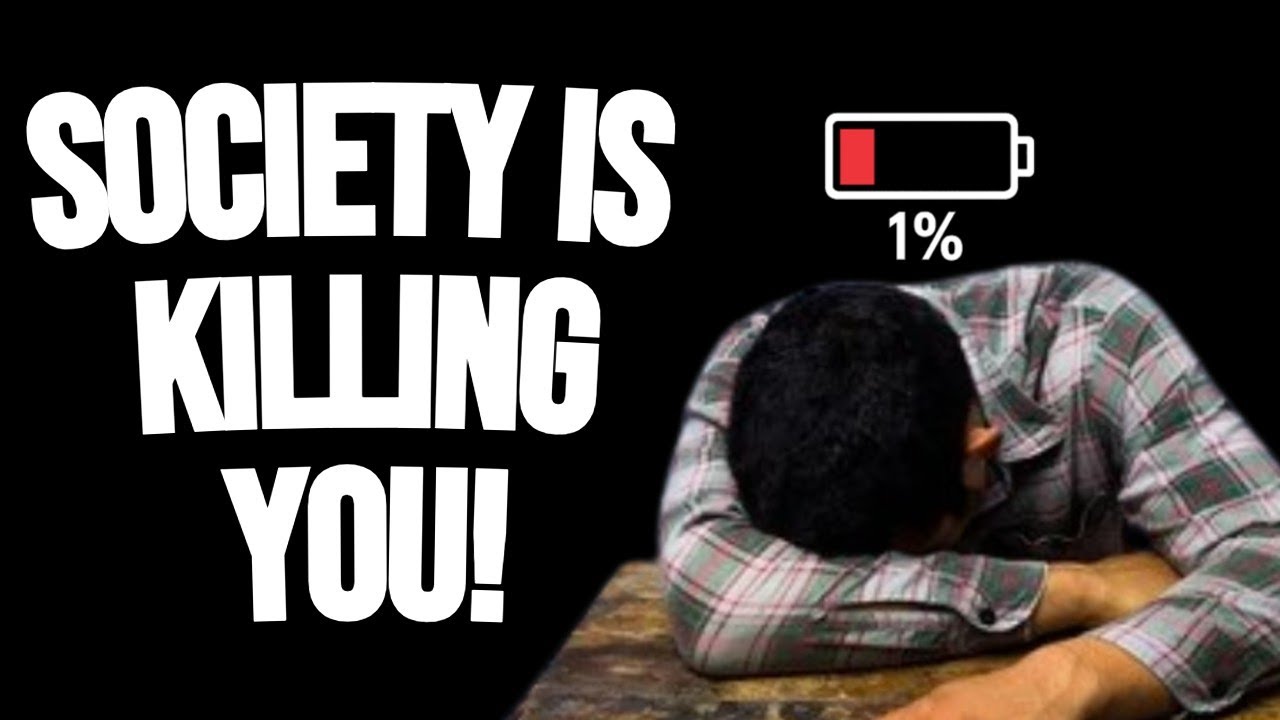
- Increased risk of burnout and depression: People who engage in excessive doomscrolling are more likely to experience feel overwhelmed, anxious, or depressed.
- Impact on physical health: Research suggests that prolonged exposure to negative news can increase stress levels, which can contribute to various physical illnesses such as high blood pressure, heart disease, and a weakened immune system.
Breaking Free from Doomscrolling Culture
- Understand the triggers: We must acknowledge the reason behind our doomscrolling habits, whether it's boredom, anxiety, or fear.
- Set boundaries: Limit your news consumption and create a schedule for checking news and social media.
- Seek alternative habits: Engage in activities that bring you joy and help you relax, such as exercise, meditation, or hobbies.
- Practice self-care: Regularly check in with yourself, set realistic goals, and prioritize sleep and a balanced diet.
- Seek support: Share your struggles with a friend or family member and ask for their help in staying accountable.
Why We Engage in Doomscrolling Culture
Humans are naturally drawn to negative news because of our brain's negativity bias – we are more likely to notice, remember, and dwell on bad things than good things. Additionally, the thrill of getting the latest update or news can create a sense of urgency, driving us to continue scrolling through our feeds.
Paradoxes of Doomscrolling Culture in Modern Society
- Accelerating screen fatigue and decreased attention span: Doomscrolling trains our brains to crave instant gratification and leads to decreased focus and productivity.
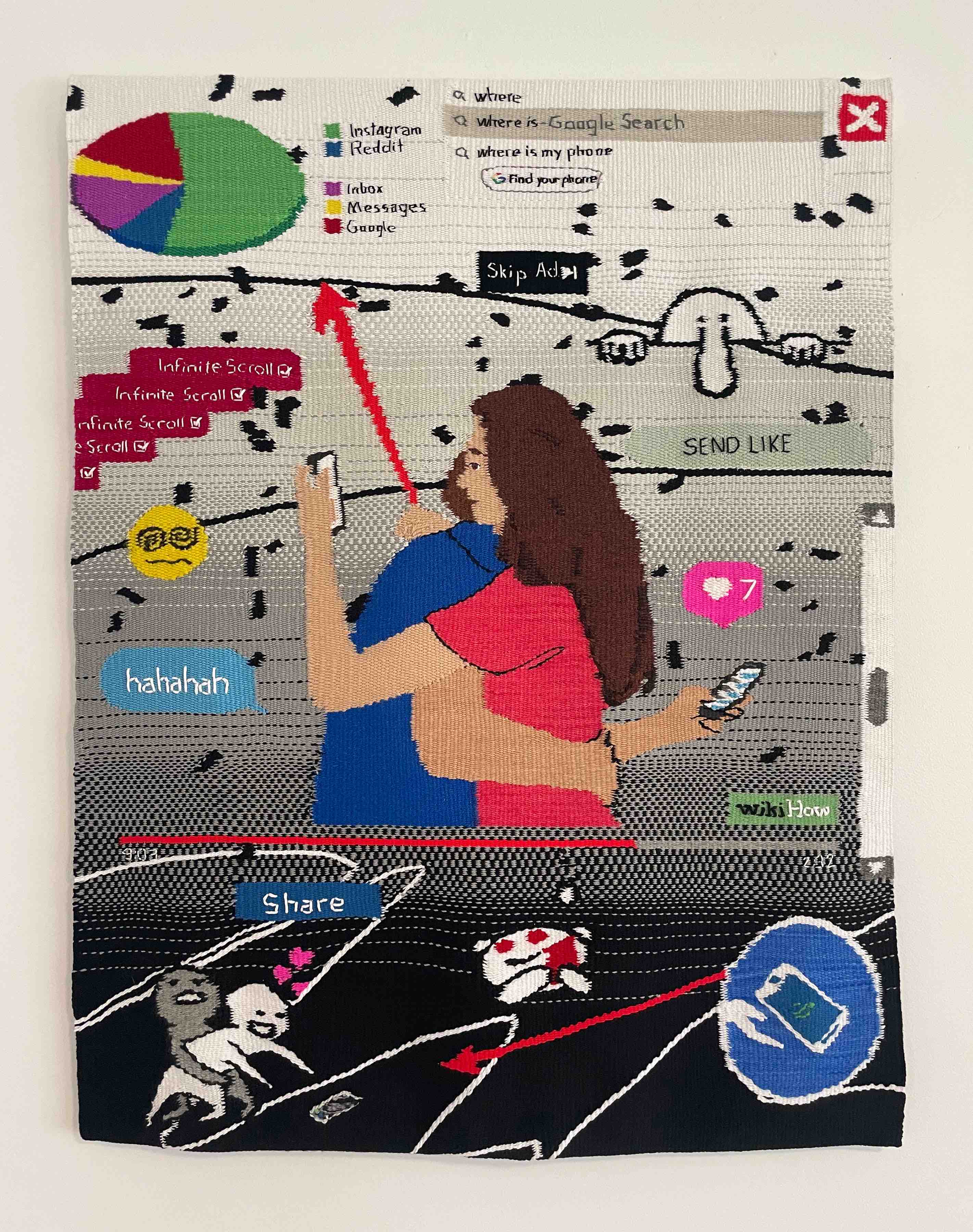
- Impact on social media culture: Doomscrolling feeds are often fueled by social media algorithms that prioritize provocative content, creating a vicious cycle of engagement and constant communication.
- Alternative coping mechanisms: Some people are opting out of doomscrolling and instead turning to offline activities like journaling, pottery, or other slow, engaging hobbies that promote real-life connection and tangible experiences.
Conclusion
The doomscrolling culture we live in can have far-reaching consequences for both our physical and mental health. Breaking free from this habit requires awareness, strategies for managing stress, and prioritizing well-being. By letting go of our constant need for updates and negative news, we can rediscover life's joys, reignite meaningful connections, and live in a more balanced, online and offline culture.