Getting Rid of Acne Scars: A Comprehensive Guide
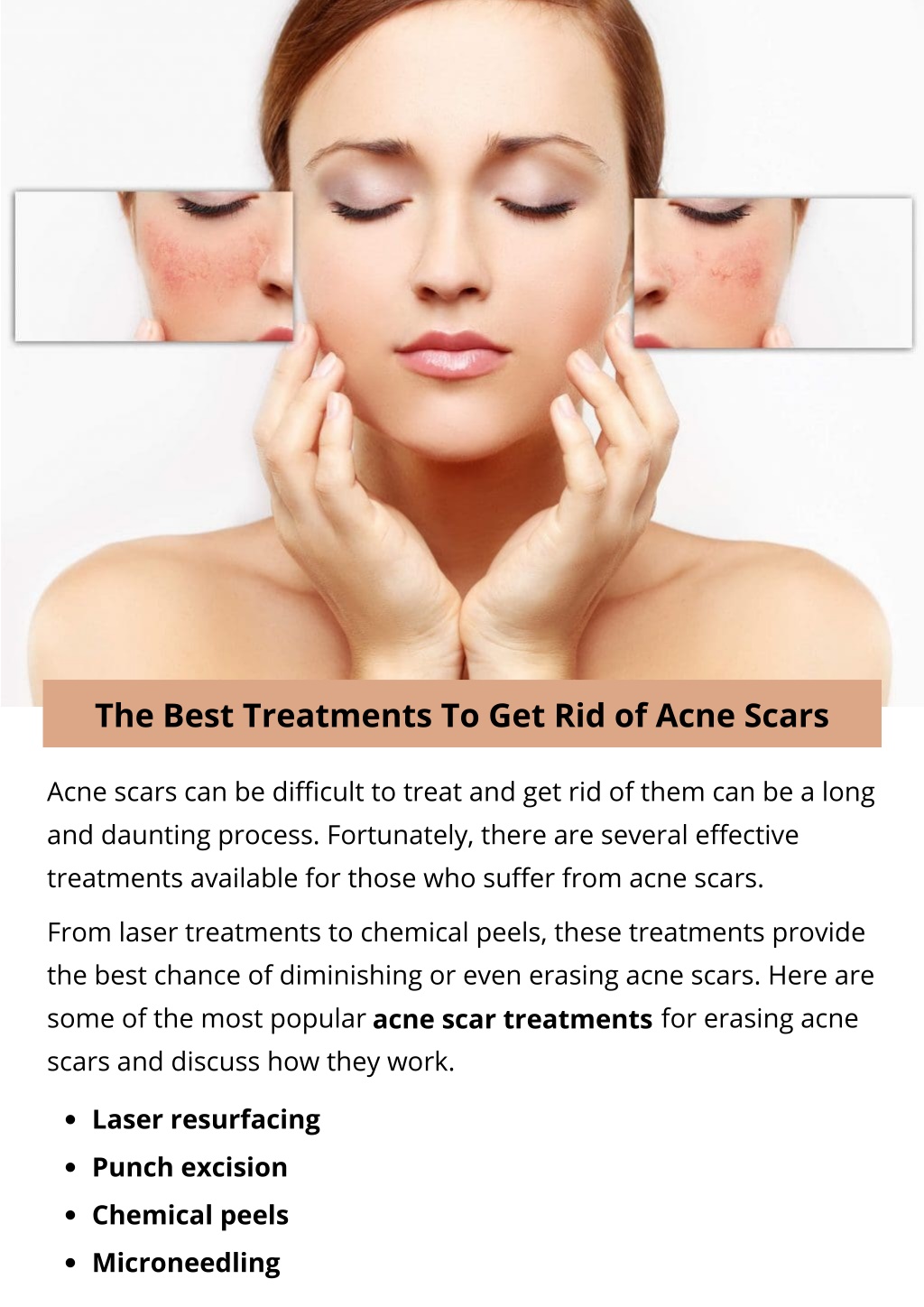
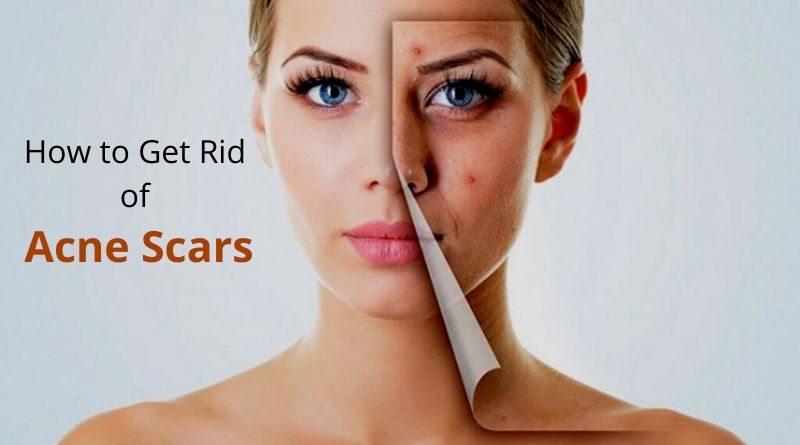
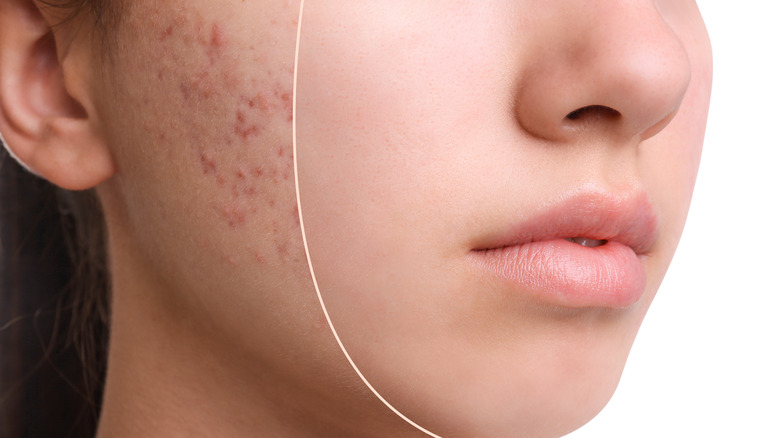
Acne scars can be a persistent reminder of past breakouts, affecting not only the appearance of your skin but also your self-confidence. While it's often thought that acne scars are permanent, there are effective treatments available to help reduce their appearance or even eliminate them entirely. In this article, we'll explore the various types of acne scars, their causes, and the best ways to get rid of them.
Understanding Acne Scars
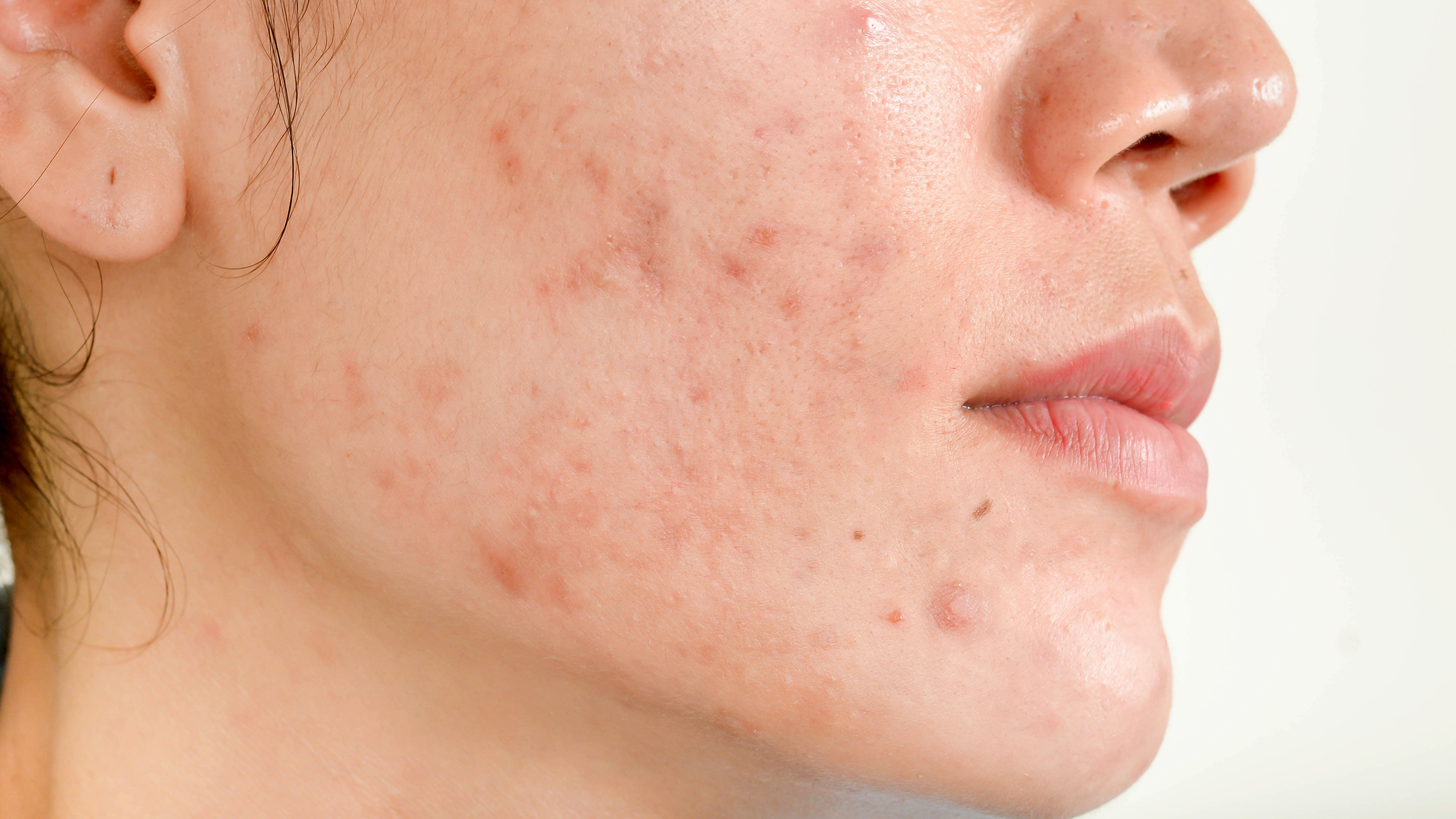
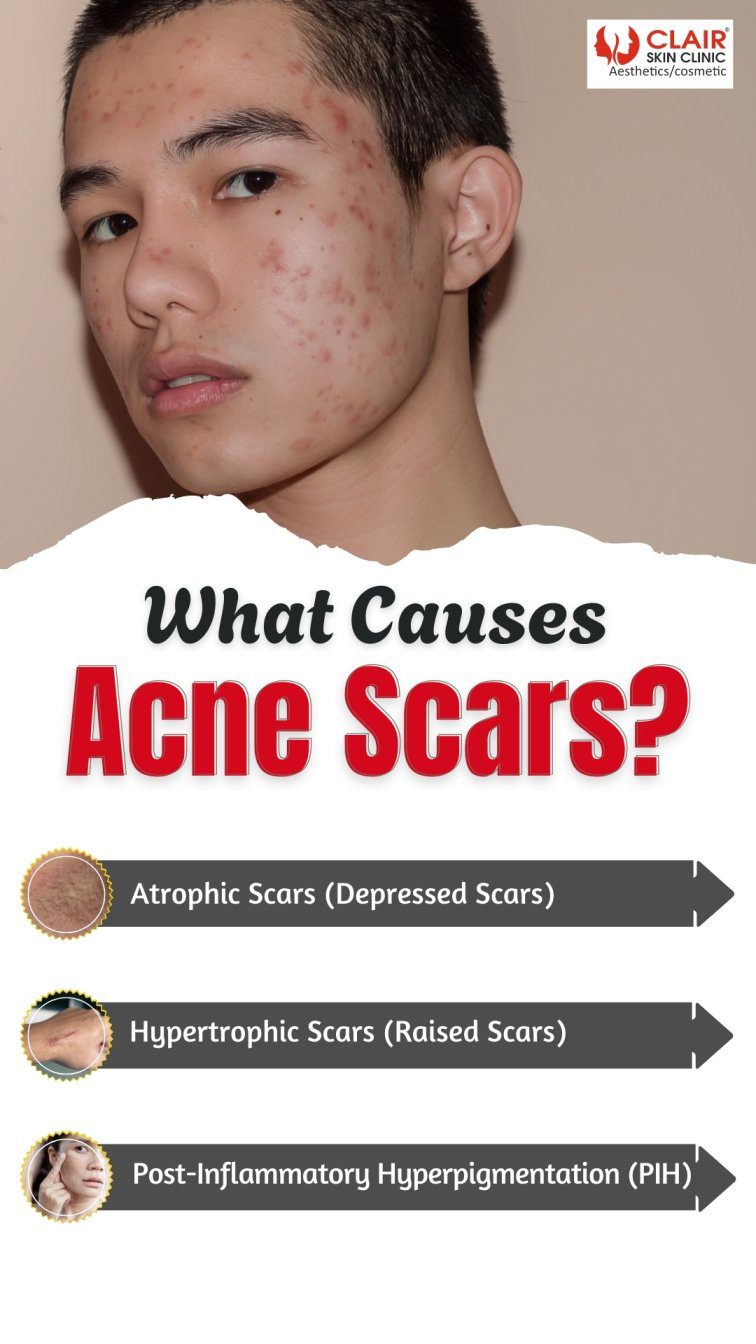
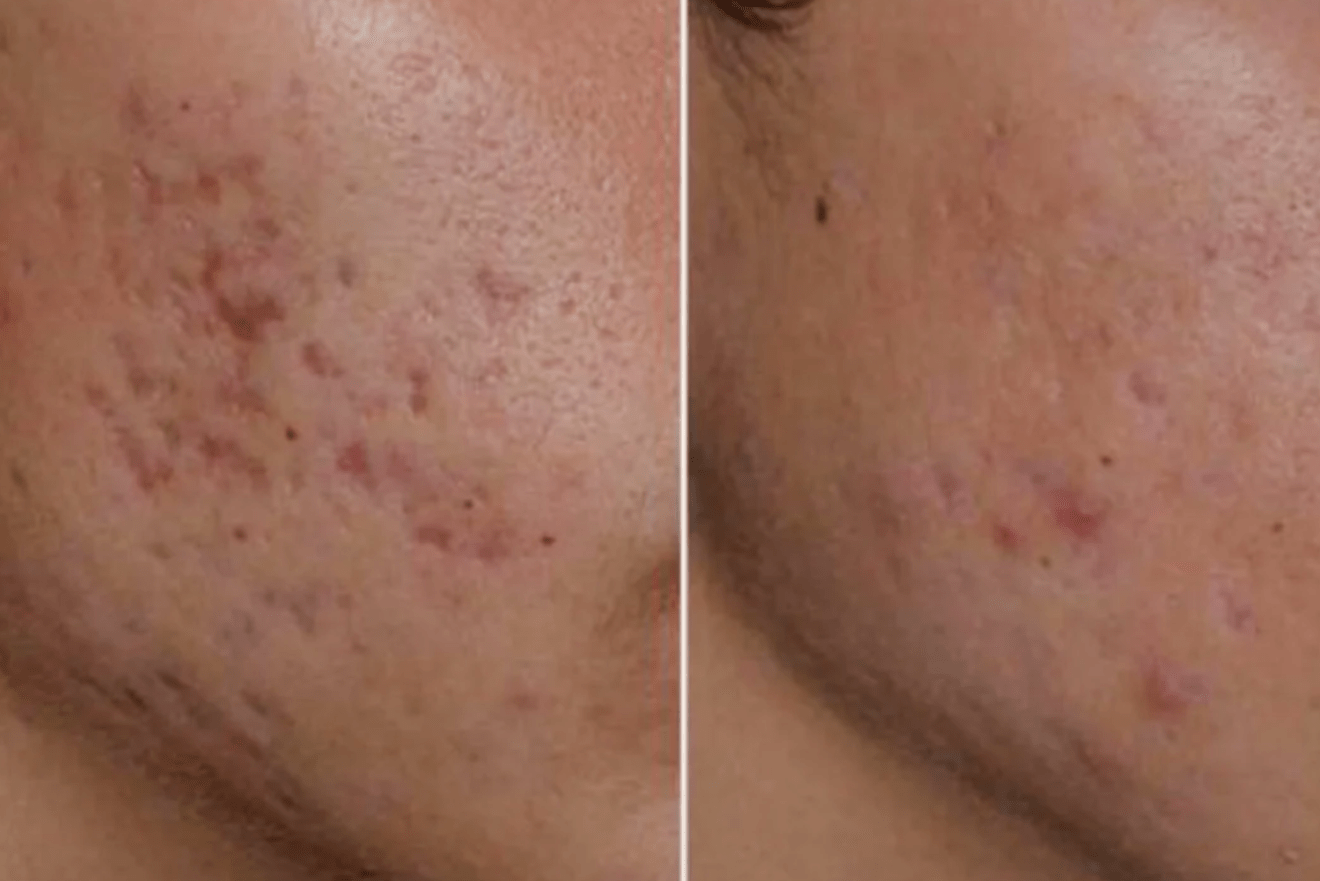
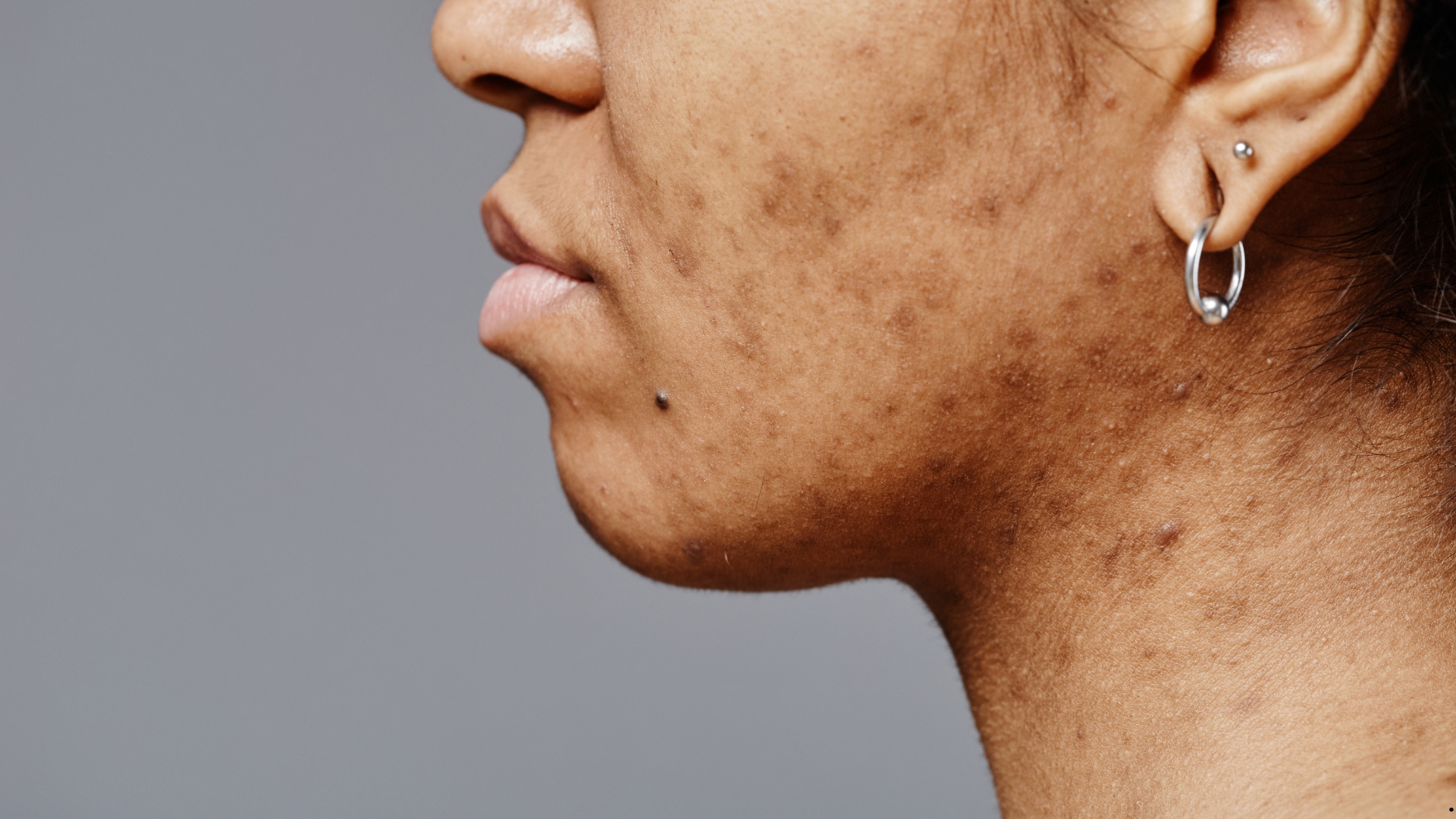
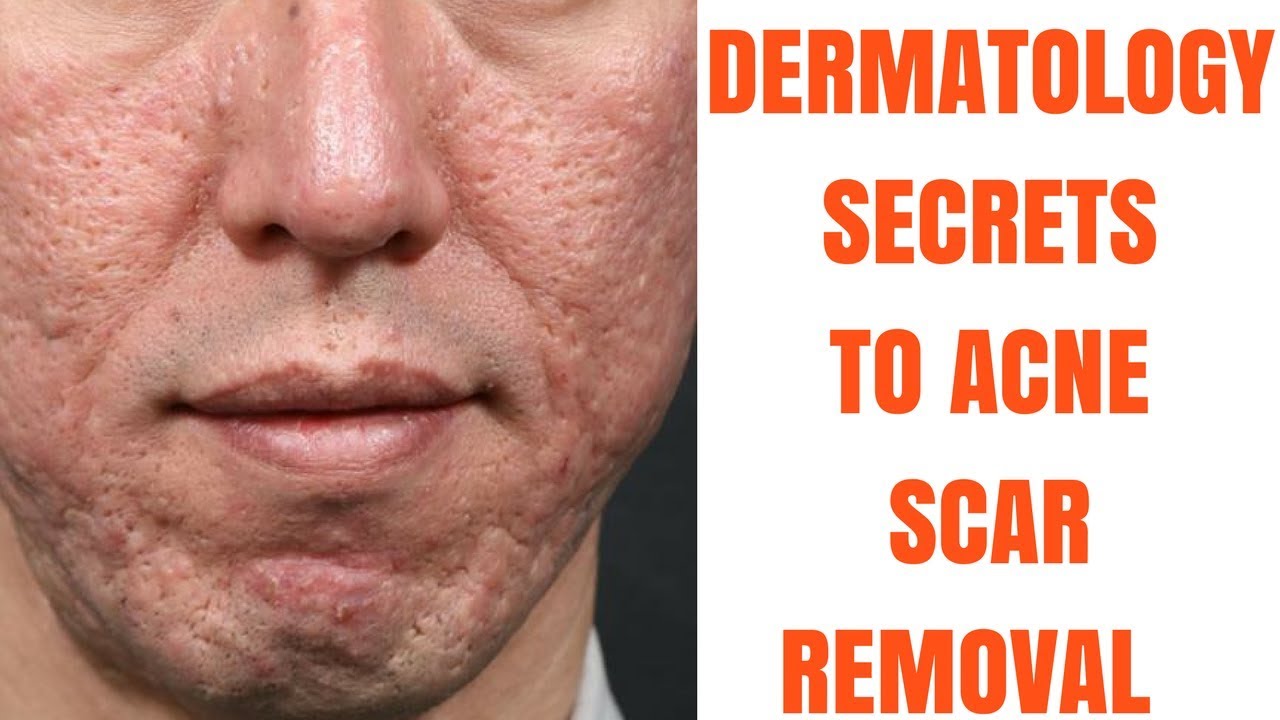
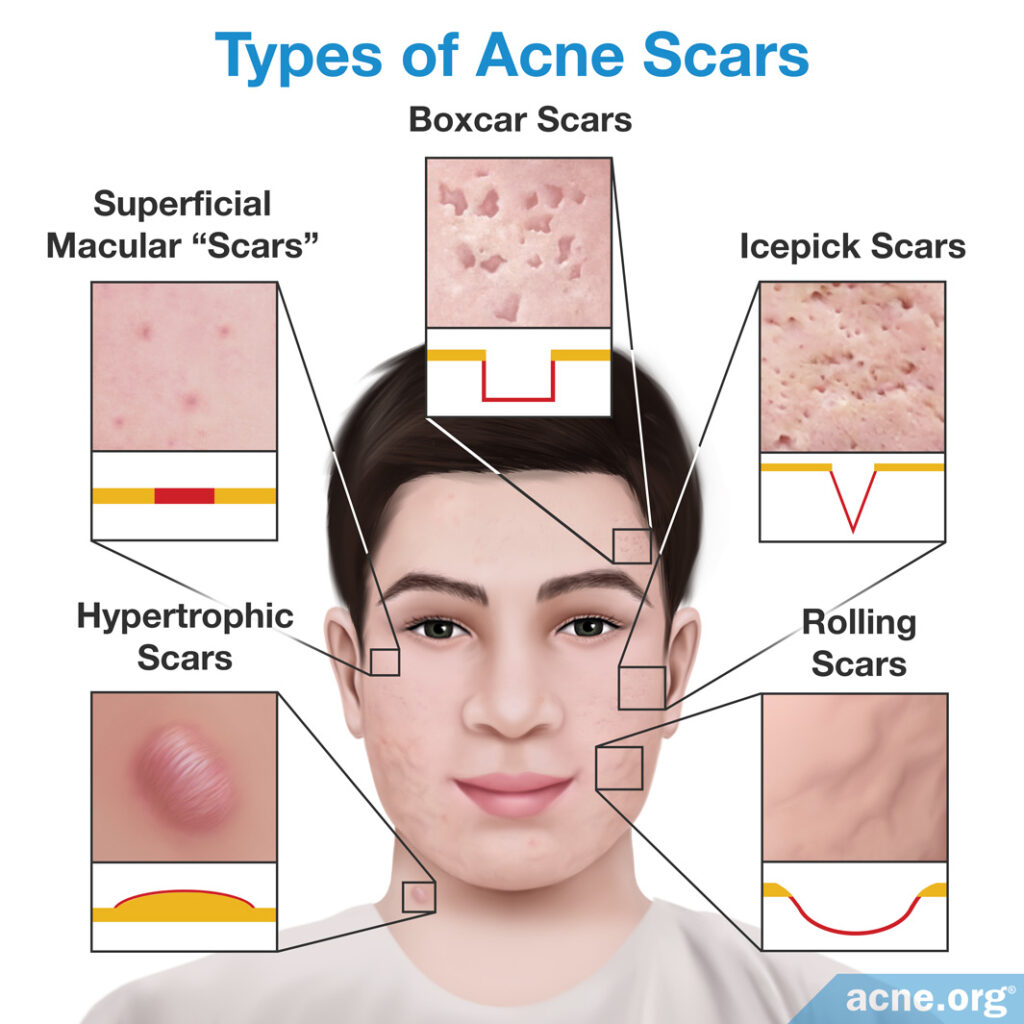
Acne scars can take many forms, including hyperpigmentation, ice-pick scars, rolling scars, boxcar scars, and keloid scars. Each type of scar requires a unique approach to treatment. While some scars may be more challenging to treat than others, there are several options available, ranging from at-home remedies to medical treatments and even surgery.
Types of Acne Scars
-
Hyperpigmentation: Dark spots or discoloration caused by inflammation and the production of excess melanin.
-
Ice-pick scars: Deep, narrow scars that can appear as small pits or holes in the skin.
-
Rolling scars: Scars that appear as rounded, shallow depressions in the skin.
-
-
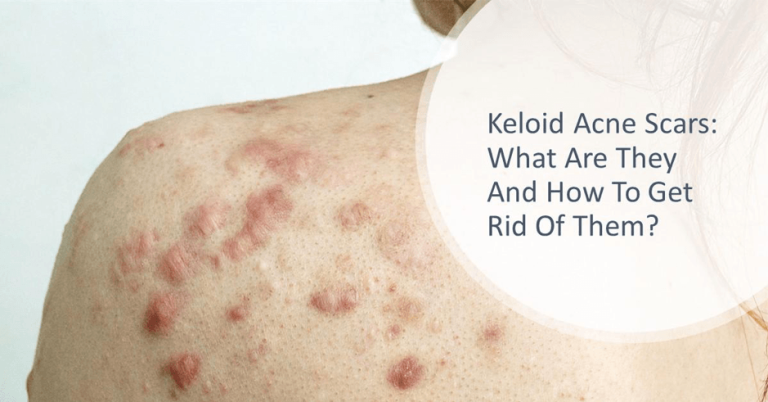
Keloid scars: Scars that extend beyond the original boundaries of the injury, often causing thick, raised, and itchy growths.
Getting Rid of Acne Scars: Natural Remedies
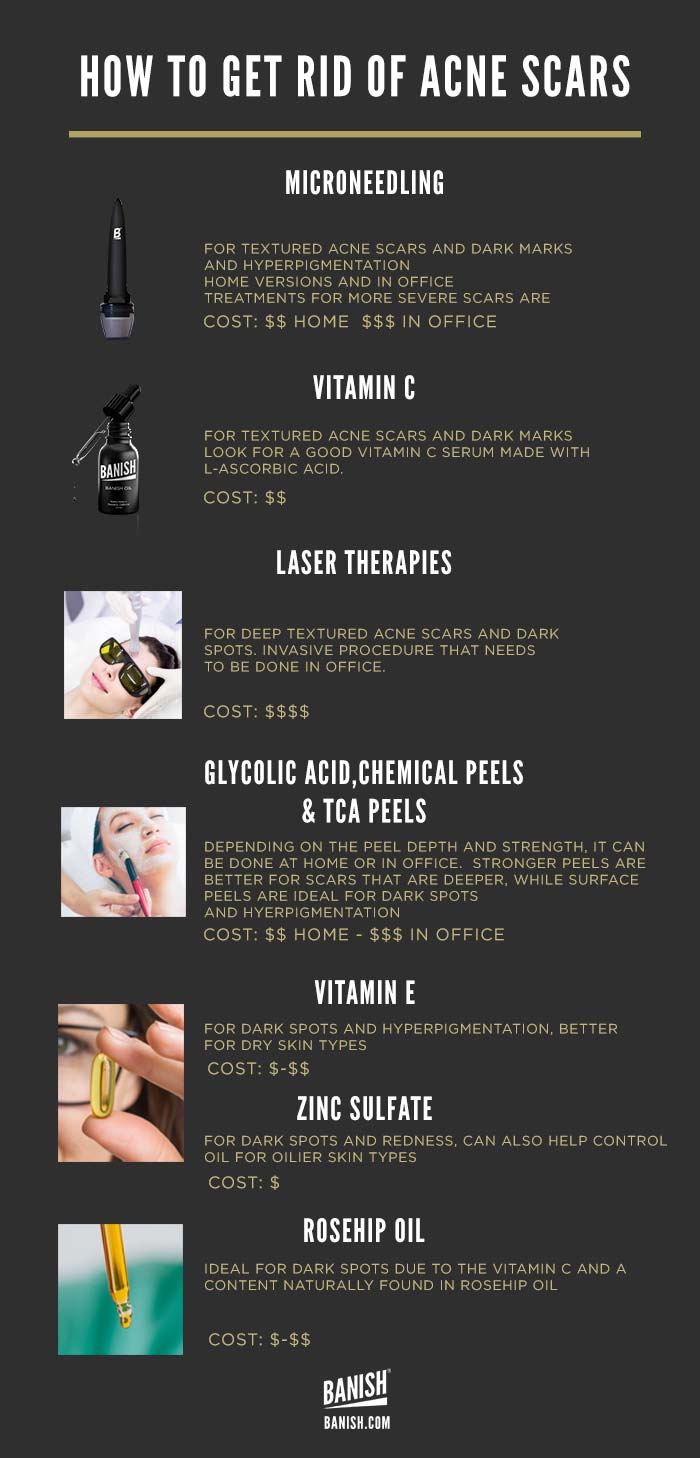
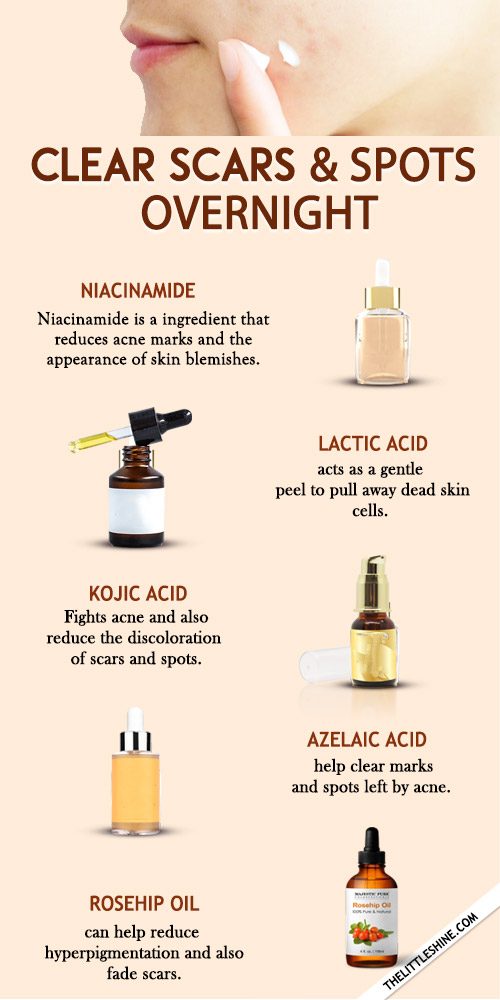
While medical treatments may be necessary in severe cases, there are several natural remedies that can help reduce the appearance of acne scars. Some of these include:
-
Tea tree oil: Known for its antibacterial and anti-inflammatory properties, tea tree oil can help reduce inflammation and prevent scarring.
-
Aloe vera: Aloe vera can help soothe and calm the skin, reducing redness and inflammation associated with acne scars.
-
Coconut oil: Rich in antioxidants and fatty acids, coconut oil can help promote the growth of new skin cells and reduce the appearance of scars.
-
Castor oil: Castor oil contains ricinoleic acid, which can help reduce inflammation and promote the growth of new skin cells.
Medical Treatments for Acne Scars
While natural remedies can be effective, medical treatments may be necessary in severe cases or for more stubborn scars. Some common medical treatments for acne scars include:
-
Microdermabrasion: A non-invasive exfoliating treatment that can help remove dead skin cells and promote the growth of new skin cells.
-
Chemical peels: A solution is applied to the skin to remove the top layers and promote the growth of new skin cells.
-
Laser therapy: A non-invasive treatment that uses light to stimulate collagen production and reduce the appearance of scars.
-
Injectable fillers: Used to fill in depressed scars and promote the growth of new skin cells.
Preventing Acne Scars
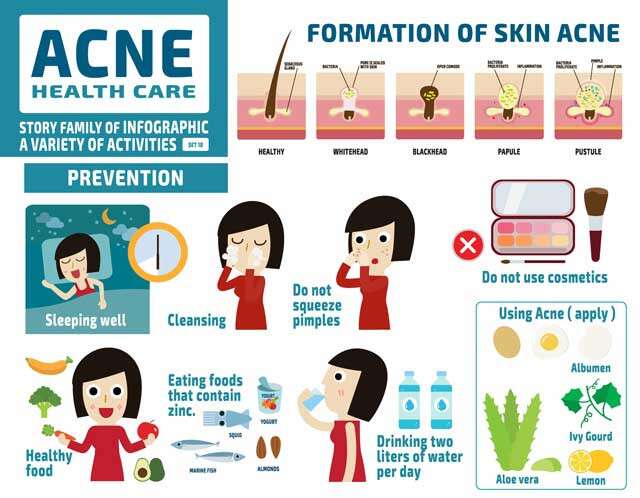
While treating existing acne scars can be effective, preventing them in the first place is easier and more efficient. To prevent acne scars:
-
Use sunscreen daily to protect your skin from the sun's UV rays.
-
Exfoliate regularly to remove dead skin cells and promote the growth of new skin cells.
-
Use products containing salicylic acid or benzoyl peroxide to help prevent breakouts.
-
Keep your skin moisturized to prevent dryness and irritation.
Conclusion
Getting rid of acne scars can be a challenging and frustrating process, but there are effective treatments available. By understanding the different types of acne scars and their causes, you can choose the best treatment option for your specific needs. Whether you opt for natural remedies or medical treatments, it's essential to be patient and consistent in your approach. Remember, preventing acne scars in the first place is easier and more efficient, so don't neglect to follow a comprehensive skincare routine and protect your skin from the sun's UV rays.