The Effects of Excessive Screen Time in Kids: A Growing Concern
In today's digital age, it's hard to imagine a world without screens. Children are increasingly surrounded by screens, whether it's a smartphone, tablet, computer, or TV. However, excessive screen time in kids has raised serious public health issues, potentially harming their cognitive, linguistic, and social-emotional growth.
Cognitive Consequences of Excessive Screen Time
Research has shown that excessive screen time can have a range of cognitive consequences, including:
- Delayed learning and poor school performance
- Reduced attention span and decreased ability to focus
- Impaired memory and decreased ability to recall information
- Decreased processing speed and reaction time
The American Academy of Pediatrics (AAP) recommends that children between 2-18 years old limit their screen time to 1-2 hours per day, depending on age. However, many children exceed these limits, spending up to 9 hours a day on screens.
Social and Emotional Consequences of Excessive Screen Time
Excessive screen time in kids can also have a range of social and emotional consequences, including:
- Increased risk of anxiety and depression
- Difficulty with social skills and relationships
- Increased irritability and reduced patience
- Decreased self-esteem and confidence
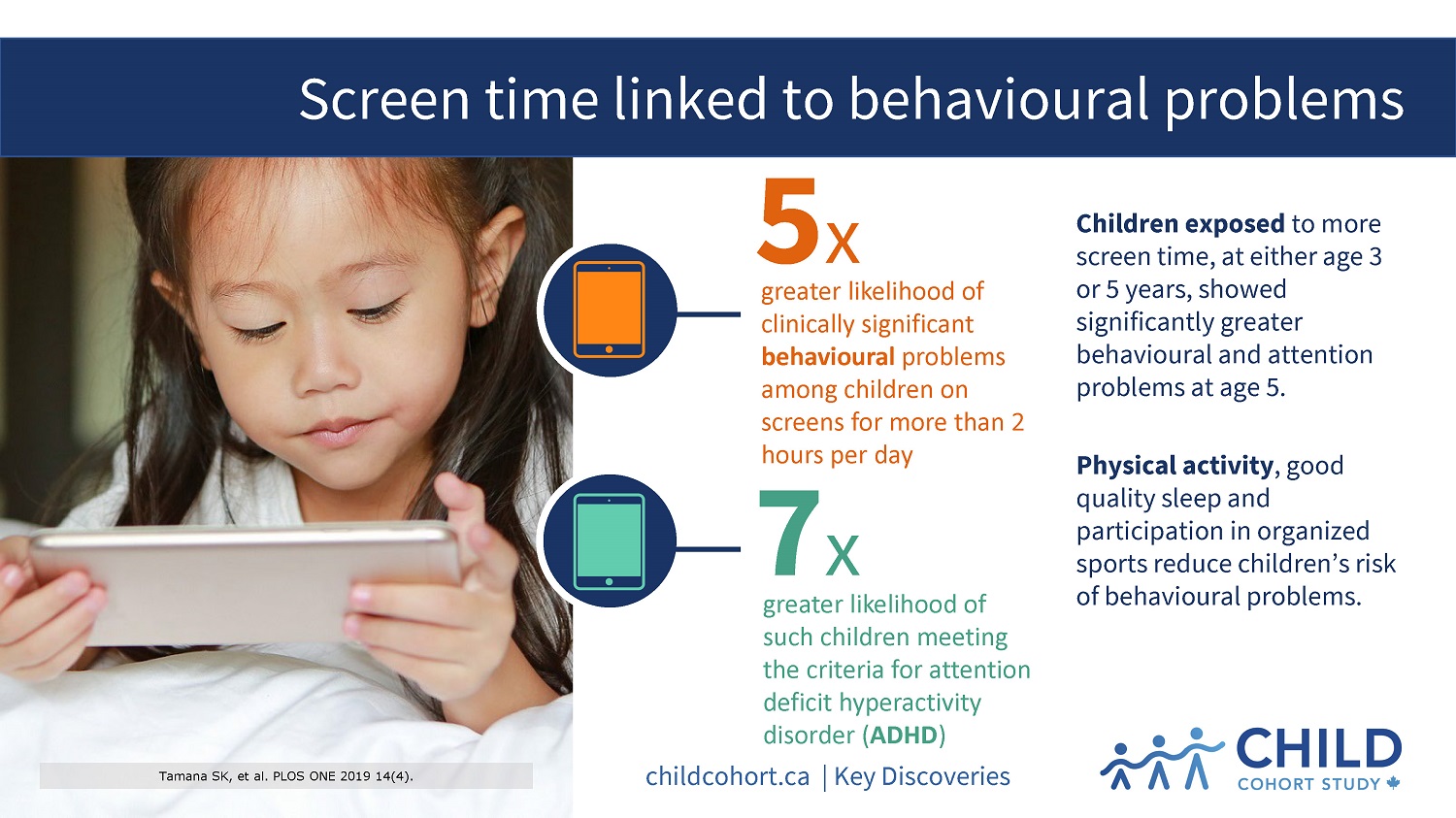
A recent study published in the Journal of the American Medical Association (JAMA) found that children who spent more time on screens were more likely to experience emotional and behavioral problems. The study suggested that excessive screen time can contribute to a range of negative effects, including increased risk of obesity, sleep disturbances, and decreased physical activity.

The Importance of Setting Limits and Establishing Healthy Habits
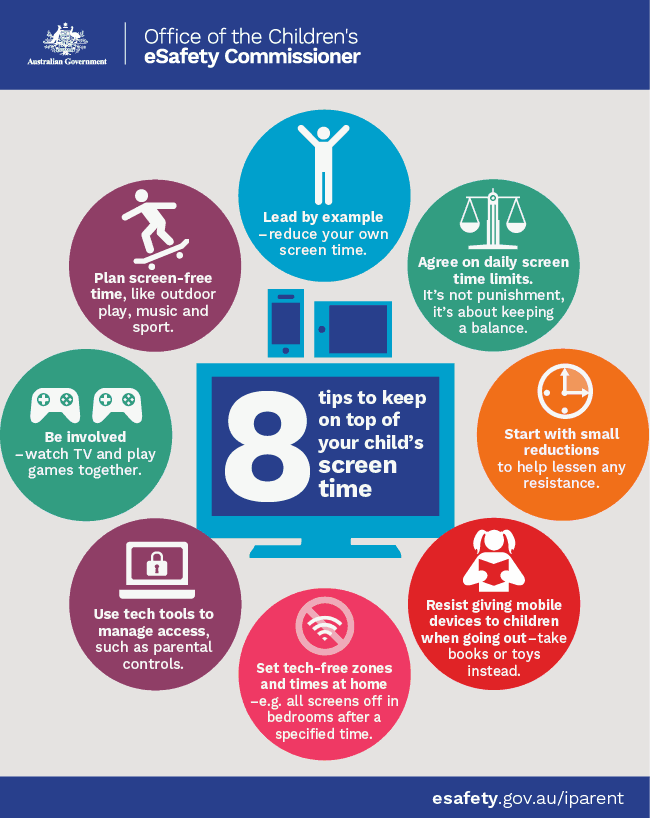
While screens can be a useful tool for learning and communication, excessive screen time can have a range of negative effects on kids. To mitigate these risks, it's essential for parents to set limits and establish healthy habits around screen time.
- Set clear rules and guidelines for screen time
- Monitor and limit screen time to recommended amounts
- Encourage physical activity and outdoor play
- Engage in activities that foster social skills and relationships, such as family game nights or outings
Strategies for Reducing Excessive Screen Time
There are several strategies that parents can use to reduce excessive screen time in kids, including:
- Setting screen-free zones and times, such as during meals or before bed
- Encouraging physical activity and outdoor play
- Engaging in activities that foster social skills and relationships
- Using screen time tracking tools and apps to monitor and limit screen time
Conclusion
The effects of excessive screen time in kids are a growing concern, with a range of cognitive, social, and emotional consequences. To mitigate these risks, it's essential for parents to set limits and establish healthy habits around screen time. By engaging in activities that foster social skills and relationships, encouraging physical activity and outdoor play, and setting clear rules and guidelines for screen time, parents can help kids develop healthy habits and avoid the negative effects of excessive screen time.