Unpacking the Effects of Screen Time on Teenagers: A Growing Concern
With the proliferation of digital devices, teenagers are increasingly spending more time in front of screens, leading to concerns about their mental and physical health. As a result, it's essential to explore the effects of screen time on teenagers and how it can impact their well-being.
The Rise of Screen Use in Teenagers
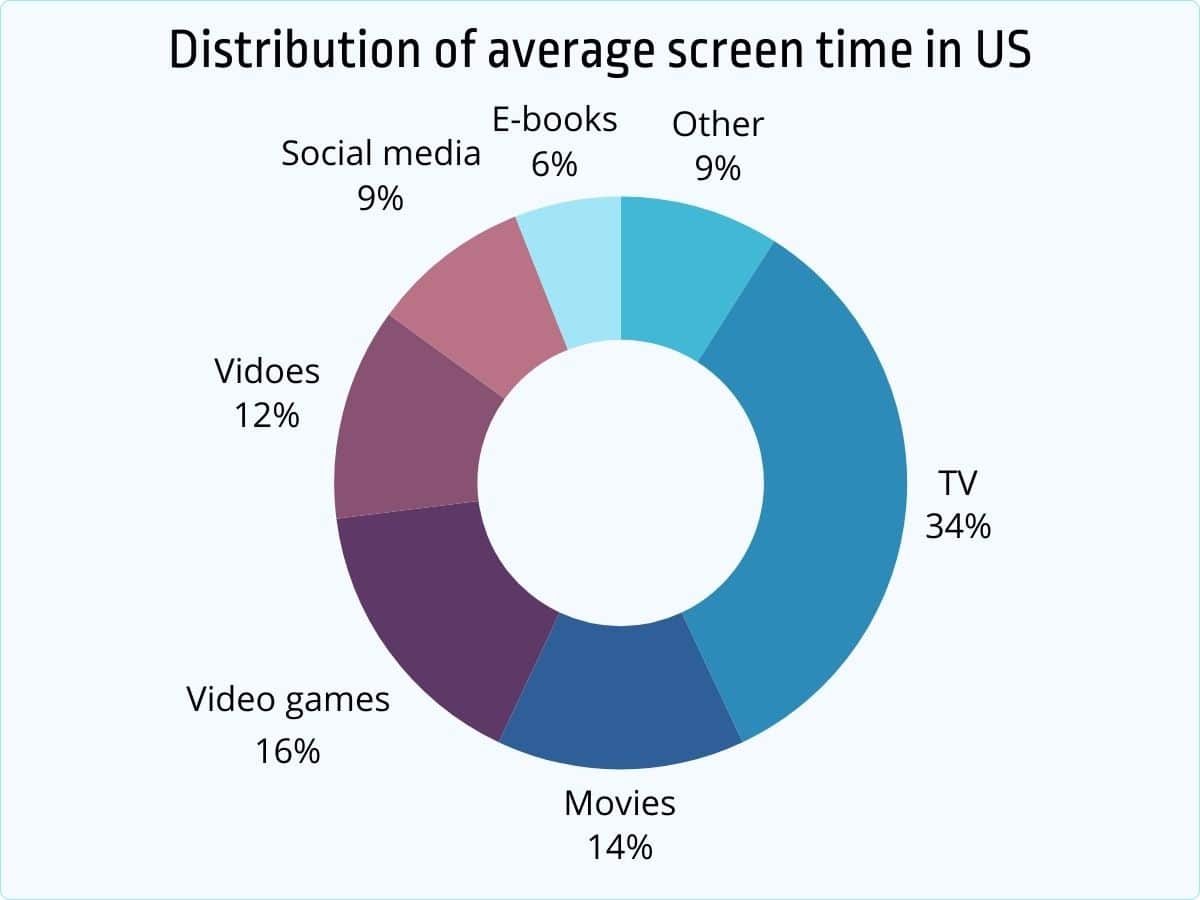
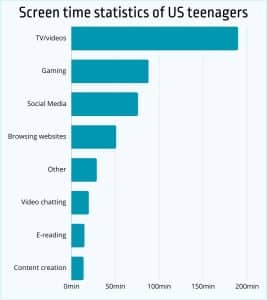
According to recent studies, teenagers spend an average of 7-10 hours a day in front of screens, encompassing everything from social media to TV shows and video games. This excessive screen time can have a significant impact on their lives, from sleep deprivation to social anxiety and decreased concentration.
Sleep Disturbances and Excessive Screen Use
Research suggests that excessive screen time before bed can disrupt sleep patterns, leading to insomnia, daytime fatigue, and other related health issues. Studies have shown that teenagers who spend more time in front of screens before bed are more likely to experience sleep disturbances, which can further exacerbate symptoms of anxiety, depression, and other mental health concerns.
Impact on Mental Health: Depression, Anxiety, and Social Isolation
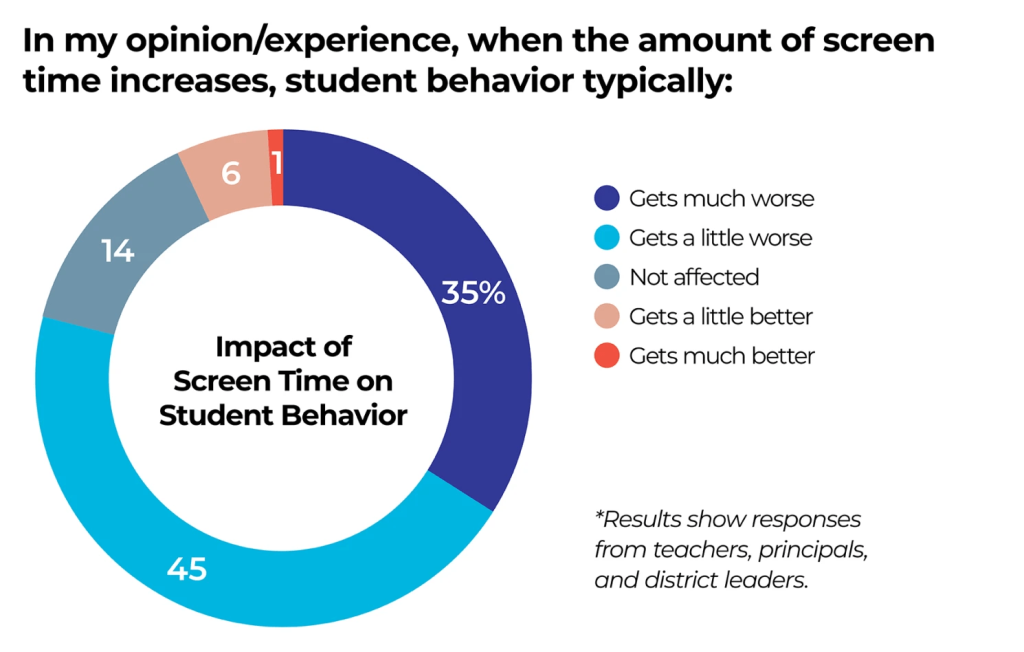
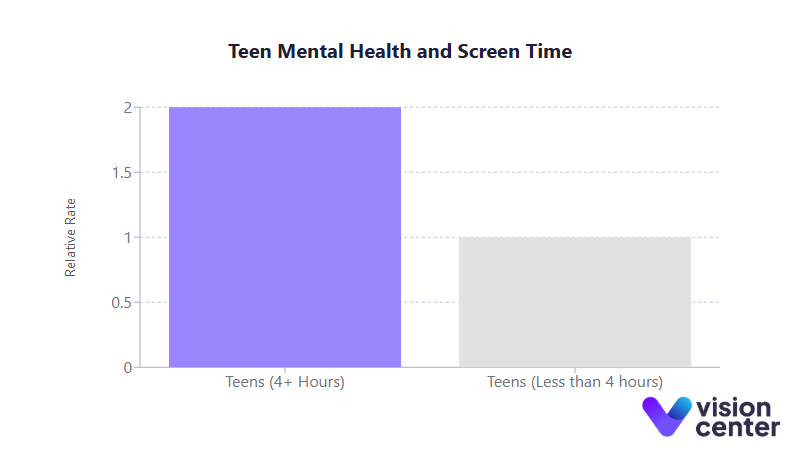
The effects of screen time on teenagers also manifest in their mental health. Excessive screen use can lead to increased symptoms of depression, anxiety, and social isolation. This is partly due to the addictive nature of social media, which can create unrealistic expectations and foster comparison in teenagers.
-
Unrealistic expectations and comparisons
-
Increased digital communication can lead to feelings of loneliness and disconnection
-
Sleep disturbances, which can further exacerbate mental health concerns
-
Changes in brain development, which can impair cognitive function and emotional regulation
Reducing Screen Time: Implementing Healthy Habits and Strategies
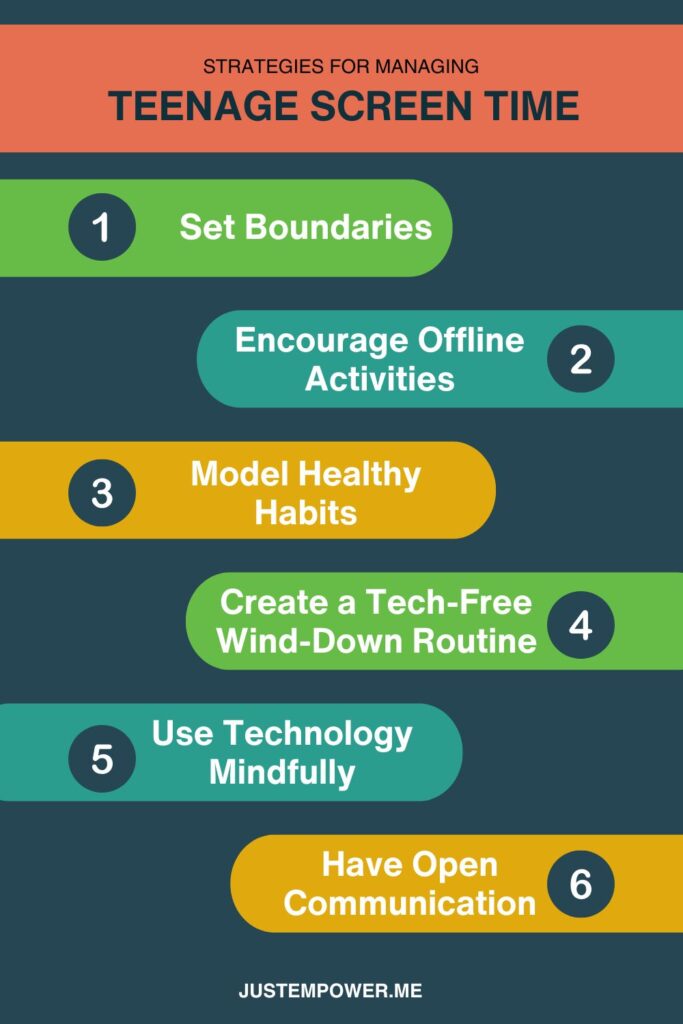
While the effects of screen time on teenagers can be concerning, there are ways to mitigate these risks and promote healthy digital habits. Some strategies include:
-
Setting screen-free zones and times, especially before bed
-
Modeling balanced screen habits as adults
-
Encouraging physical activity and outdoor play
-
Implementing screen time limits and monitoring software
Conclusion: Understanding the Effects of Screen Time on Teenagers
The effects of screen time on teenagers are multifaceted and complex, highlighting the need for education, awareness, and healthy digital habits. By understanding the potential risks associated with excessive screen use, parents, educators, and teenagers themselves can work together to promote a more balanced lifestyle and mitigate the negative effects of screen time.