Understanding Phone Addiction and Nomophobia in Teens
Phone addiction and nomophobia have become increasingly prevalent among teenagers, leading to a range of negative consequences, from anxiety and depression to sleep deprivation and social isolation. In this article, we'll delve into the reasons behind this worrying trend and explore strategies for helping teenagers overcome their phone addiction and nomophobia.What is Nomophobia?
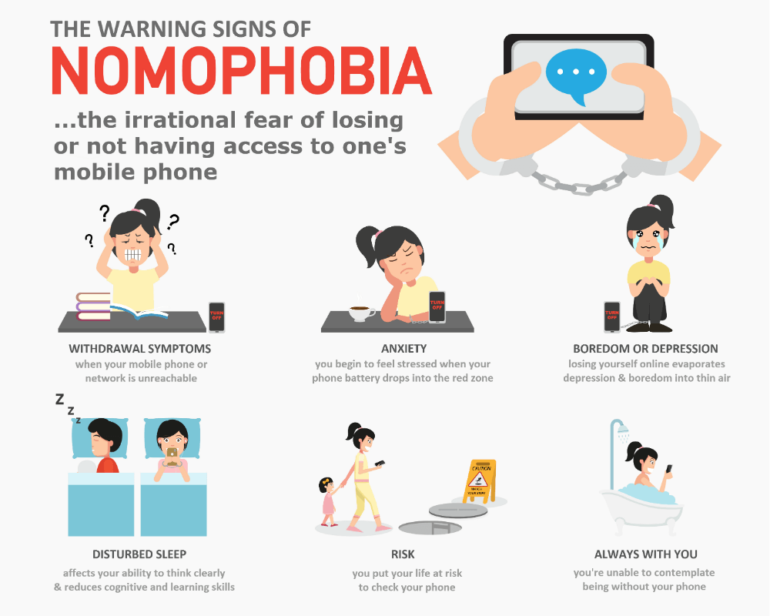
Nomophobia, a term coined in 2008, refers to the fear of being without a mobile phone or being unable to access one. It's an excessive and irrational anxiety caused by the absence of a mobile phone, often leading to feelings of panic, desperation, and even physical symptoms such as a racing heart and sweating. Nomophobia is often linked to phone addiction, social media addiction, and other behavioral addictions.Signs and Symptoms of Phone Addiction and Nomophobia in Teens
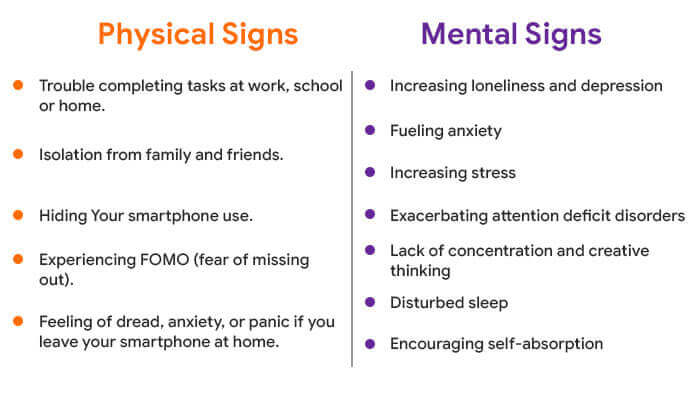
If you're concerned that your teenager may be suffering from phone addiction or nomophobia, keep an eye out for these common signs and symptoms:- Excessive phone use, even in social situations
- Constantly checking phone notifications, emails, or social media
- Difficulty disconnecting from the phone, even after bedtime or during meals
- Withdrawal symptoms, such as anxiety or irritability, when unable to use the phone
- Impact on relationships, academic performance, or physical activity
- Feeling restless or bored without a phone
- Difficulty sleeping or experiencing sleep deprivation due to phone use
Causes of Phone Addiction and Nomophobia in Teens
Several factors contribute to phone addiction and nomophobia in teenagers:- Peer pressure and social media influence
- Parental behavior and phubbing (phone + snubbing)
- Accessibility and convenience of smartphones
- Emotional regulation and coping mechanisms
- Fear of missing out (FOMO)
- Constant notifications and social media updates
- Lack of physical activity and outdoor play
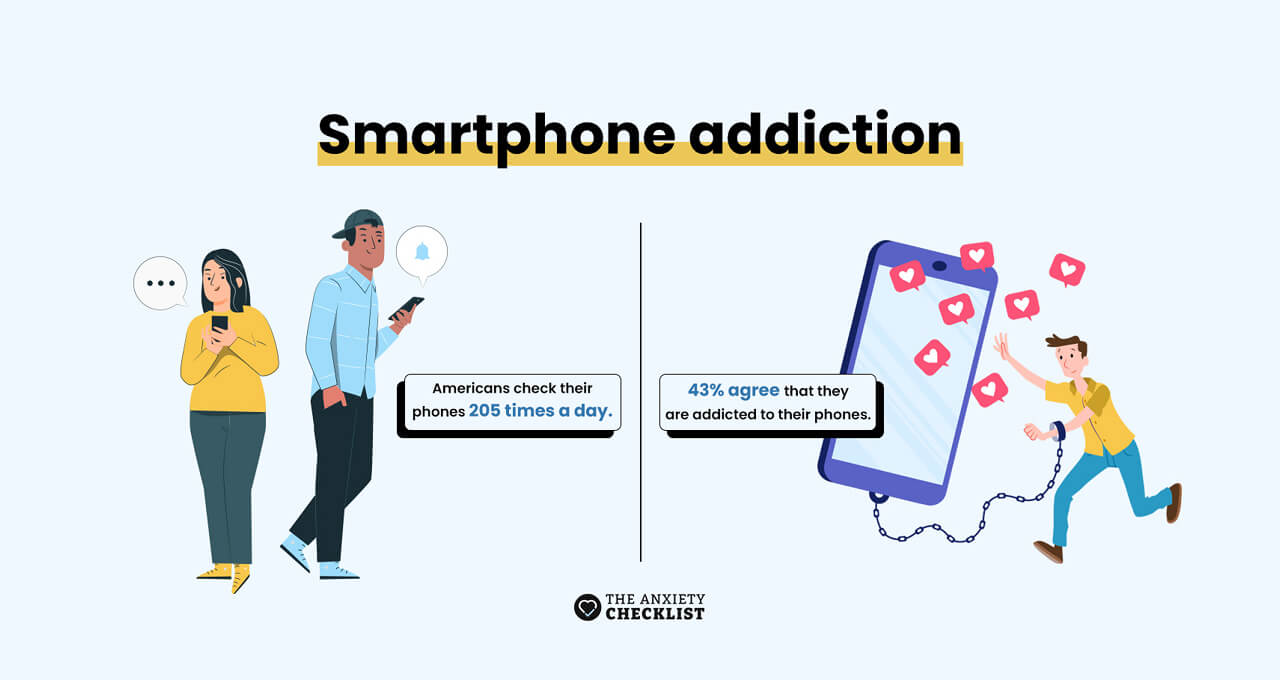
Consequences of Phone Addiction and Nomophobia in Teens
The consequences of phone addiction and nomophobia in teenagers can be severe and long-lasting:- Impact on mental health, including anxiety, depression, and low self-esteem
- Strained relationships with family and friends
- Impact on academic performance and cognitive development
- Physical health issues, such as sleep deprivation, eye strain, and decreased physical activity
- Increased risk of addiction and substance abuse
- Reduced attention span and cognitive abilities
Strategies for Overcoming Phone Addiction and Nomophobia in Teens
To help your teenager overcome phone addiction and nomophobia, try these practical strategies:- Set boundaries and rules for phone use
- Encourage physical activity and outdoor play
- Help them develop more active coping mechanisms, such as meditation or journaling
- Encourage face-to-face interactions and social activities
- Model healthy phone use habits yourself
- Consider phone-free zones or times, such as during meals or at bedtime
- Offer rewards or incentives for responsible phone use