Understanding Grantor Trust Rules: A Comprehensive Guide
A grantor trust is a type of trust that is taxed according to the Internal Revenue Code (IRC), and its rules are essential to understand for effective estate planning. In this article, we will delve into the intricacies of grantor trust rules, including their definition, tax implications, and the responsibilities of the trust's creator.
What is a Grantor Trust?
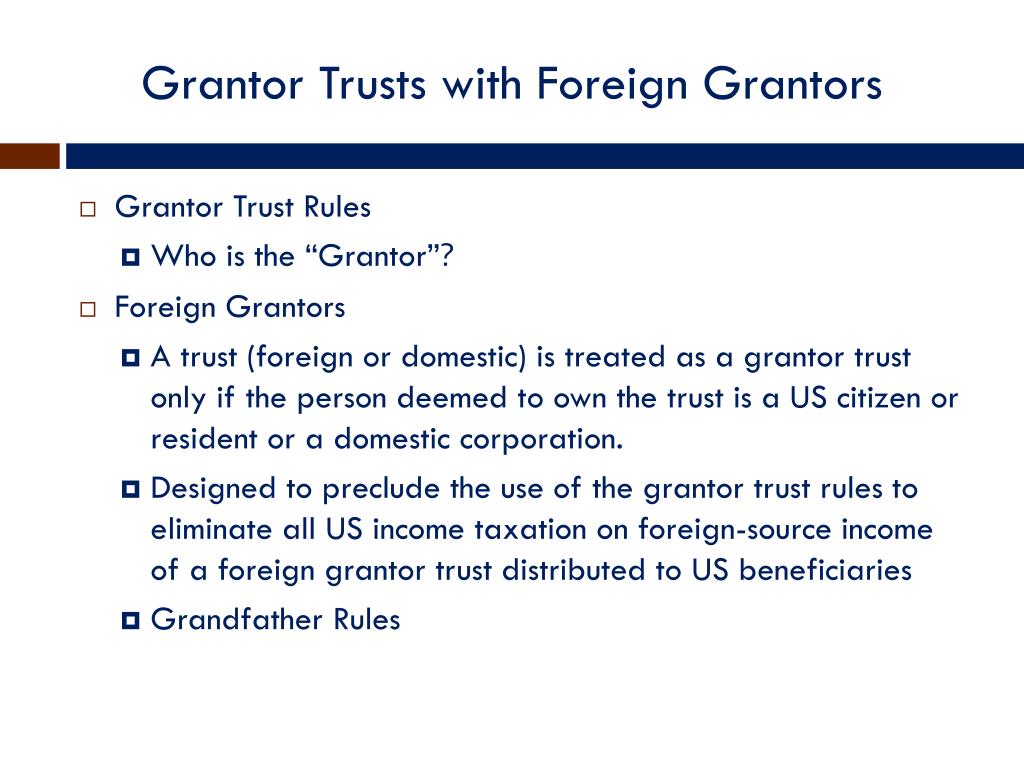
A grantor trust is a trust in which the grantor retains significant control over the assets and is considered the owner of the trust for income and estate tax purposes. The retention or possession of these rights gives the person identified as the grantor dominion and control over the trust property and/or the trust's income.
Grantor Trust Rules: A Taxation Perspective
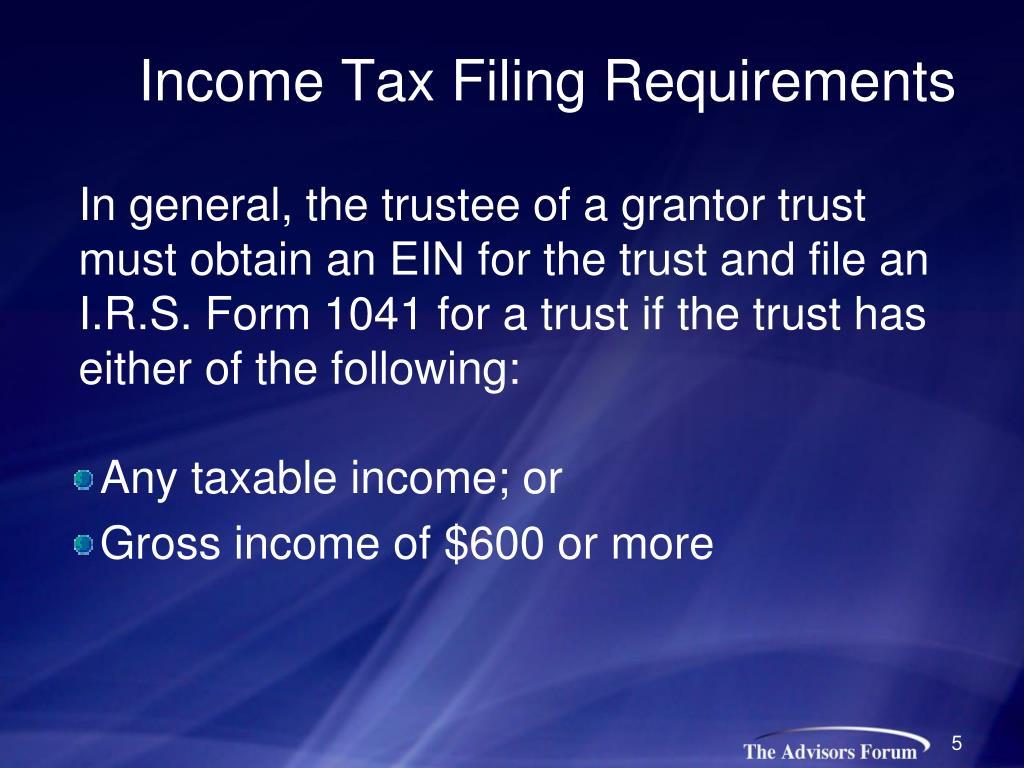
The grantor trust rules outline the responsibilities of the trust's creator for income and estate tax purposes. According to the IRC, the income of a grantor trust is taxed according to the grantor's tax rate, and the grantor is responsible for paying taxes on any income generated by the trust's assets. This means that the grantor will report the trust's income on their personal tax return (Form 1040) and pay taxes accordingly.
Tax Implications of Grantor Trusts
Grantor trusts have special income tax implications and rules. For instance, the grantor trust rules treat the grantor as the owner of the trust for income tax purposes, allowing them to control the assets while providing certain tax benefits. However, this also means that the grantor will be responsible for paying taxes on any income generated by the trust's assets.
Grantor Trust Rules: Key Factors to Consider
- Grantor Control:** The grantor retains significant control over the assets and is considered the owner of the trust for income and estate tax purposes.
- Taxation:** The income of a grantor trust is taxed according to the grantor's tax rate, and the grantor is responsible for paying taxes on any income generated by the trust's assets.
- Responsibilities:** The grantor is responsible for reporting the trust's income on their personal tax return (Form 1040) and paying taxes accordingly.
Types of Grantor Trusts

There are several types of grantor trusts, including:
- Revocable Grantor Trusts: A revocable grantor trust allows the grantor to make changes to the trust or revoke it altogether.
- Irrevocable Grantor Trusts: An irrevocable grantor trust cannot be changed or revoked once it is created.
Benefits and Drawbacks of Grantor Trusts
Grantor trusts offer several benefits, including:
- Flexibility:** Grantor trusts provide flexibility in managing wealth and providing certain tax benefits.
- Tax Benefits:** Grantor trusts can help reduce taxes by allowing the grantor to control the assets while providing certain tax benefits.
However, grantor trusts also have some drawbacks, including:
- Complexity:** Grantor trusts can be complex and require careful planning and administration.
- Tax Liability:** The grantor is responsible for paying taxes on any income generated by the trust's assets.
Conclusion
In conclusion, grantor trust rules are essential to understand for effective estate planning. By understanding the definition, tax implications, and responsibilities of the trust's creator, individuals can make informed decisions about creating and managing a grantor trust. Remember to consider the key factors to consider, types of grantor trusts, benefits, and drawbacks before making a decision.







:max_bytes(150000):strip_icc()/image0-MichaelBoyle-d90f2cc61d274246a2be03cdd144f699.jpeg "Trust Tax Rates & Deductions in 2025")
:max_bytes(150000):strip_icc()/image0-MichaelBoyle-d90f2cc61d274246a2be03cdd144f699.jpeg "Trust Decanting for an Irrevocable Trust: What It Is and How It Works")