Honey Consumption During Late Pregnancy: Benefits, Risks, and Safe Practices
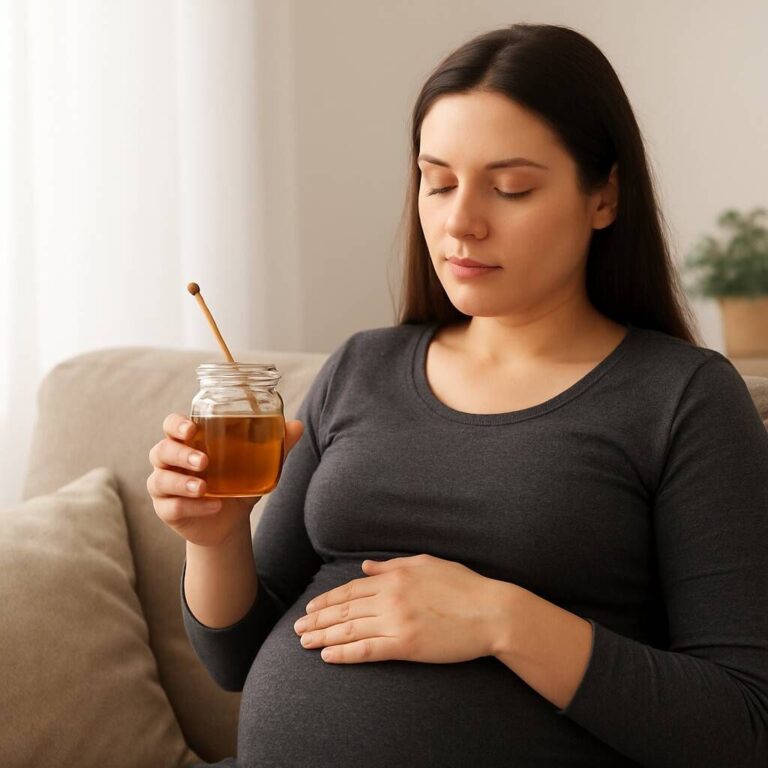
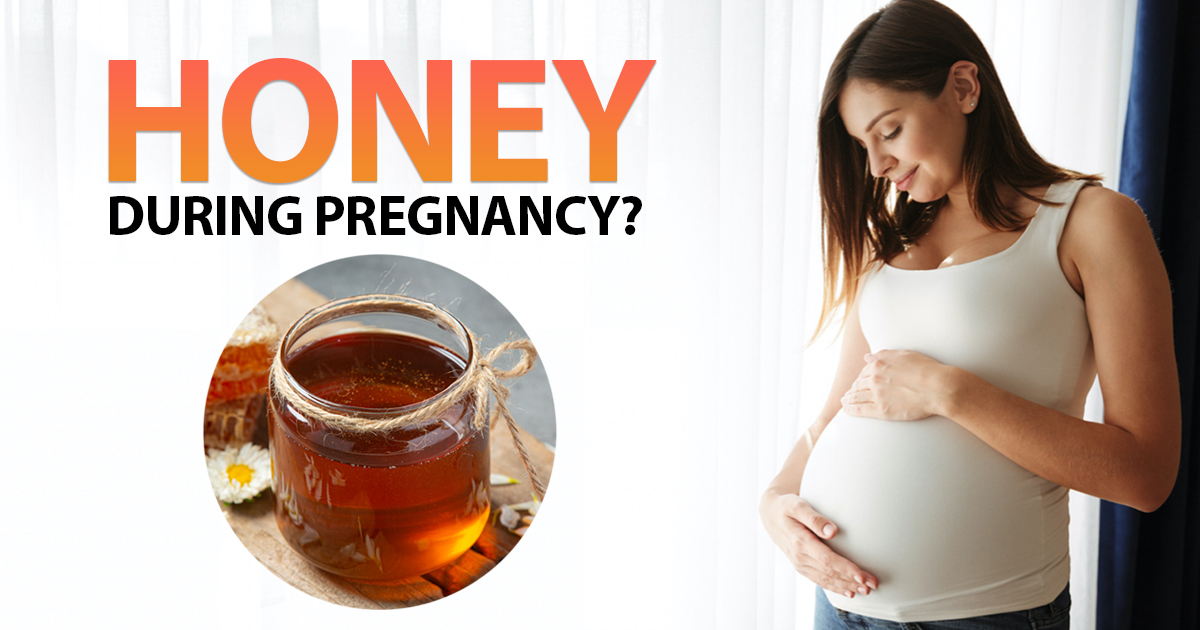
As you navigate the journey of pregnancy, you're likely to encounter a multitude of questions and concerns about what you can and cannot eat. Among these concerns, one sweet treat often comes under scrutiny: honey. Wondering if it's safe to consume honey during late pregnancy? Learn about its benefits, risks, and safe practices to make informed dietary choices for a healthy and happy you and your baby.
Benefits of Honey Consumption During Pregnancy
Honey contains rich amounts of minerals, antioxidants, and vitamins, making it a nutritious addition to your diet during pregnancy. Consuming honey during pregnancy is known to improve immune system functioning, reduce inflammation, and provide a natural source of energy. It's also been shown to have antibacterial properties, making it a popular choice for soothing coughs and sore throats.
- Improves immune system functioning
- Reduces inflammation
- Provides a natural source of energy
- Has antibacterial properties
Risks Associated with Honey Consumption During Pregnancy
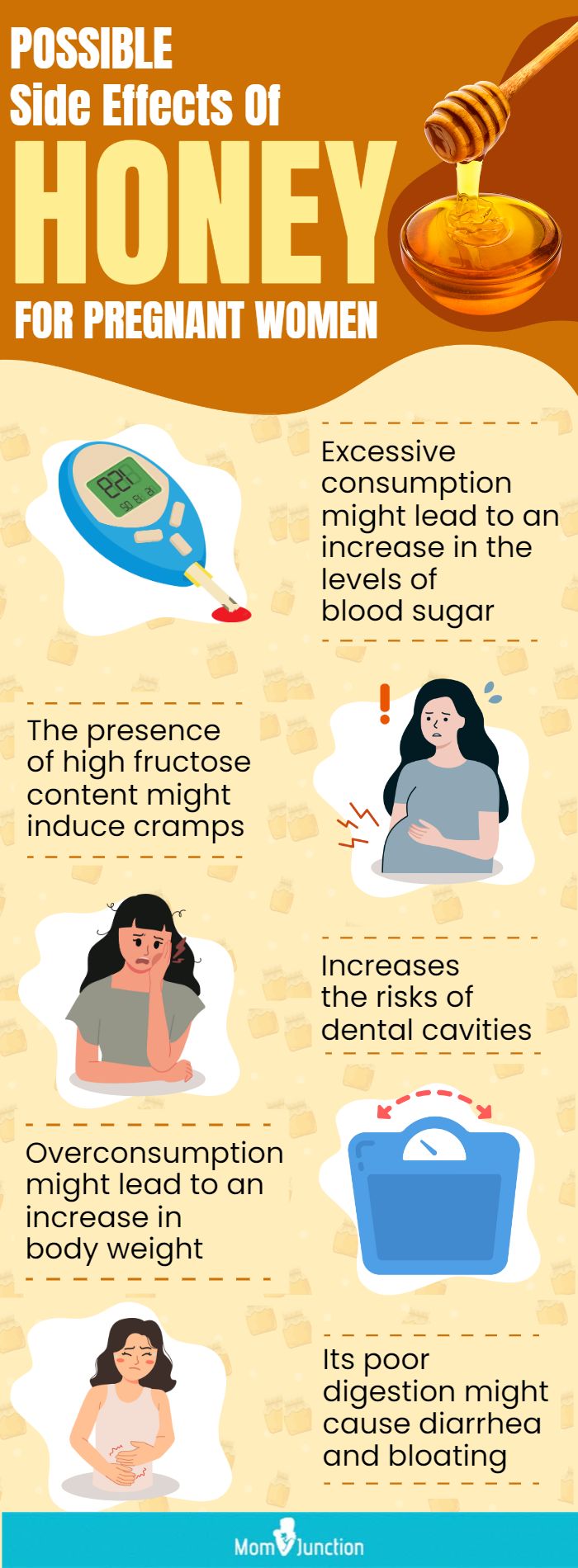
While honey can be a nutritious addition to your diet, there are some risks to be aware of. Consuming honey during pregnancy may increase the risk of gestational diabetes due to its high sugar content. Additionally, some individuals may be allergic to honey, and if you have a known allergy, it's best to avoid it during pregnancy. Raw honey is also a risk, as it may contain botulinum spores, which can be toxic to both you and your baby.
- Risk of gestational diabetes
- Allergic reactions
- Botulism risk from raw honey
Safe Practices for Honey Consumption During Pregnancy
To ensure safe consumption of honey during pregnancy, follow these best practices:
- Choose pasteurized honey to reduce the risk of botulism
- Consume honey in moderation (1-2 tablespoons per day)
- Avoid raw honey and infant consumption
- Opt for trusted brands and check expiration dates
- Consult your doctor if you have gestational diabetes or allergies
Expert Recommendations
According to Dr. Renita White, OB-GYN and advisor to The Honey Pot Co., "Yes, it is safe to eat honey in pregnancy. Rarely, a bacteria called Clostridium botulinum can contaminate honey, but this is unlikely at typical use. Just be sure to choose pasteurized honey and consume it in moderation."
Conclusion
Honey consumption during late pregnancy can be a safe and nutritious choice when practiced responsibly. By choosing pasteurized honey, consuming it in moderation, and being aware of potential risks, you can enjoy the benefits of honey while keeping yourself and your baby safe. As with any food, it's essential to consult with your doctor and make informed dietary choices for a healthy and happy pregnancy.