How to Budget Money: A Comprehensive Guide
Budgeting doesn't have to be stressful! Learning how to make a budget in five simple steps can help you manage your money and reach your financial goals. Whether you're trying to pay off bills, save up to buy your first home, or simply want to gain control over your finances, understanding how to budget money is the first step towards making it a reality.
What is a Budget?
A budget is a plan for how you use your money. No matter how much you earn or how often you get paid, a budget helps you stay on top of your bills, savings, and other money goals. It's a spending plan based on your income and expenses, and having a budget helps you understand how and where you're spending your money.
5 Simple Steps to Create a Budget
- Step 1: Track Your Income and Expenses - Start by tracking where your money is coming from and where it's going. Write down every single transaction, no matter how small, in a notebook or use a budgeting app to make it easier.
- Step 2: Identify Your Financial Goals - Determine what you want to achieve with your budgeting. Do you want to pay off debt, save for a down payment on a house, or build up your emergency fund?
- Step 3: Categorize Your Expenses - Group your expenses into categories, such as housing, transportation, food, and entertainment. This will help you see where your money is going and make adjustments as needed.
- Step 4: Set Budget Limits - Based on your income and expenses, set a budget limit for each category. Be realistic and take into account any irregular expenses or one-time costs.
- Step 5: Monitor and Adjust - Track your spending and compare it to your budget. Make adjustments as needed to stay on track and reach your financial goals.
Additional Tips for Budgeting

- Use the 50/30/20 Rule - Allocate 50% of your income towards necessary expenses, 30% towards discretionary spending, and 20% towards saving and debt repayment.
- Automate Your Savings - Set up automatic transfers from your checking account to your savings or investment accounts to make saving easier and less prone to being neglected.
- Review and Adjust Regularly - Regularly review your budget to ensure you're on track to meet your financial goals. Make adjustments as needed to stay on course.
Tools and Resources for Budgeting
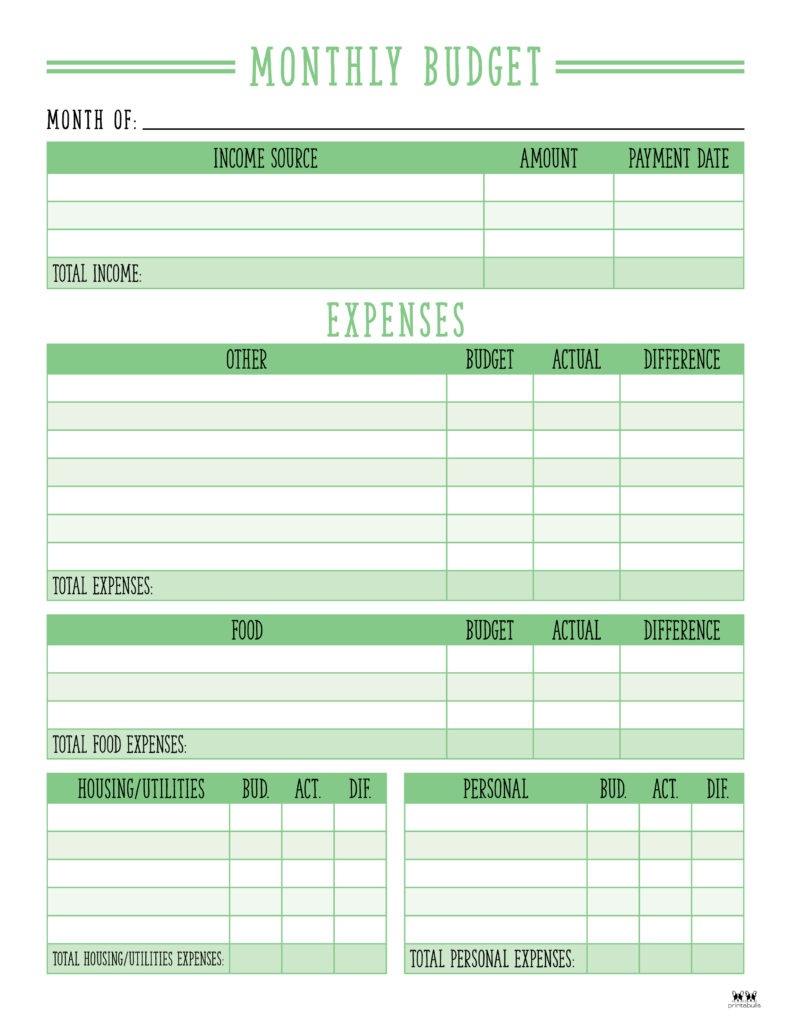
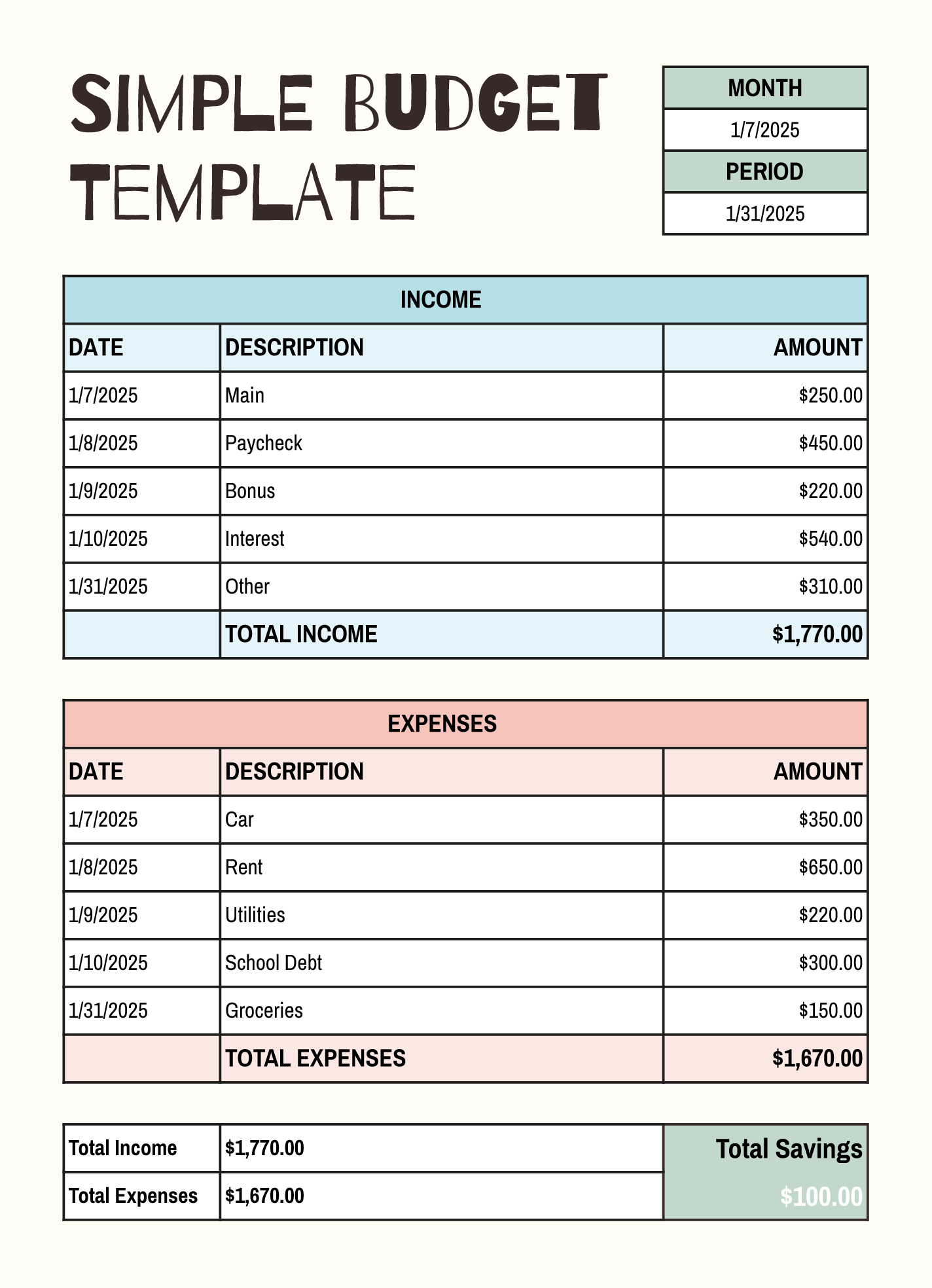
- Free Budgeting Templates - Explore free Google Sheets templates for monthly, annual, savings, and 50/30/20 budgeting.
- Budgeting Apps - Consider using budgeting apps like Mint, Personal Capital, or YNAB to track your spending and stay on top of your finances.
- Financial Advisors - If you're struggling to create a budget or need personalized advice, consider consulting a financial advisor.
Conclusion
Creating a budget is a simple and effective way to take control of your finances. By following these five steps and incorporating additional tips and tools, you can learn how to budget money and achieve your financial goals. Remember to review and adjust your budget regularly to stay on track and make progress towards a more secure financial future.