How to Get Rid of Acne on Scalp: Causes, Risks, and Treatments
Acne on the scalp can be frustrating and embarrassing. It's essential to understand the causes, risks, and treatments associated with scalp acne to effectively manage and get rid of it. In this article, we'll explore how to identify and treat scalp acne, as well as provide some valuable tips on prevention and maintenance.
What Causes Scalp Acne?
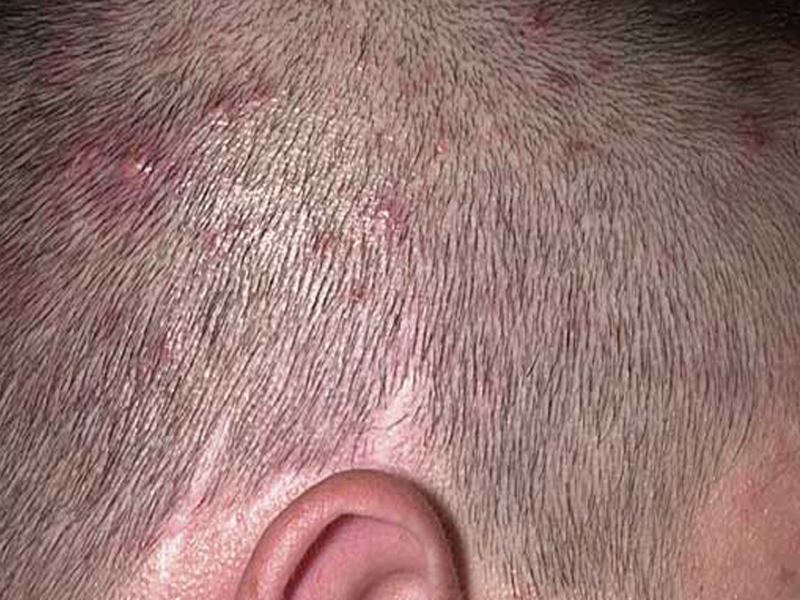
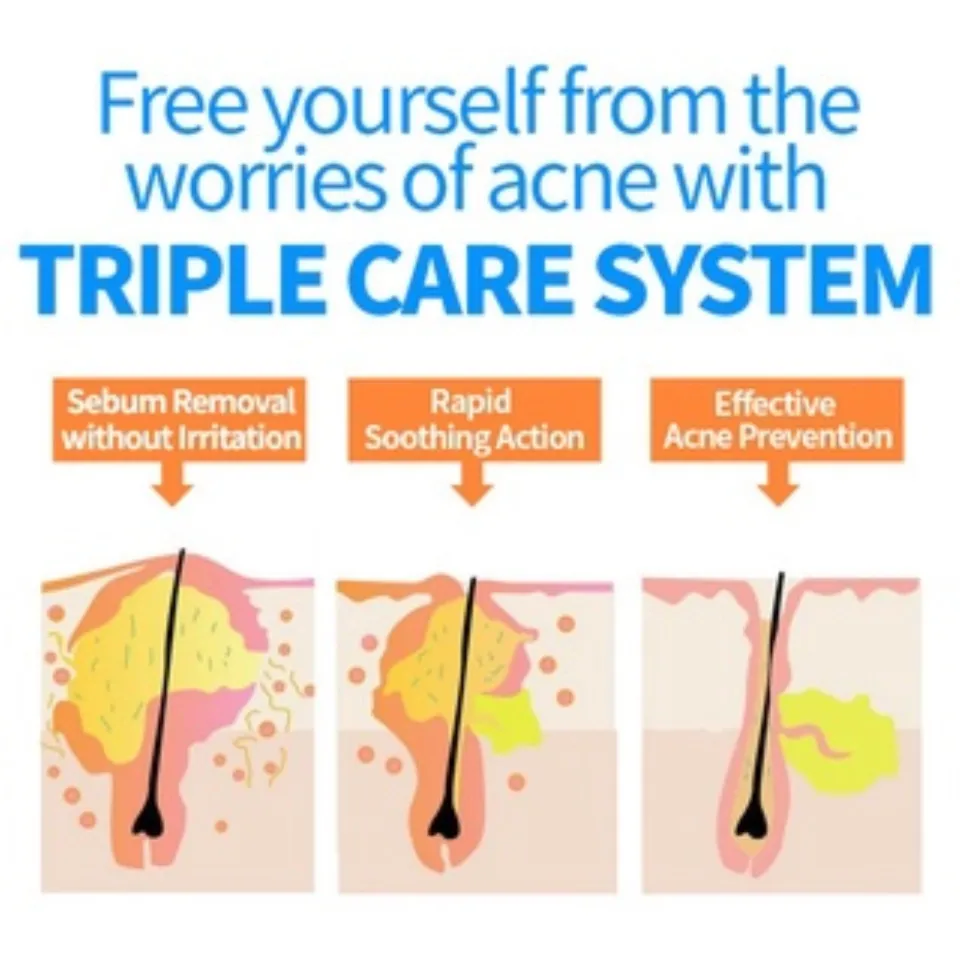
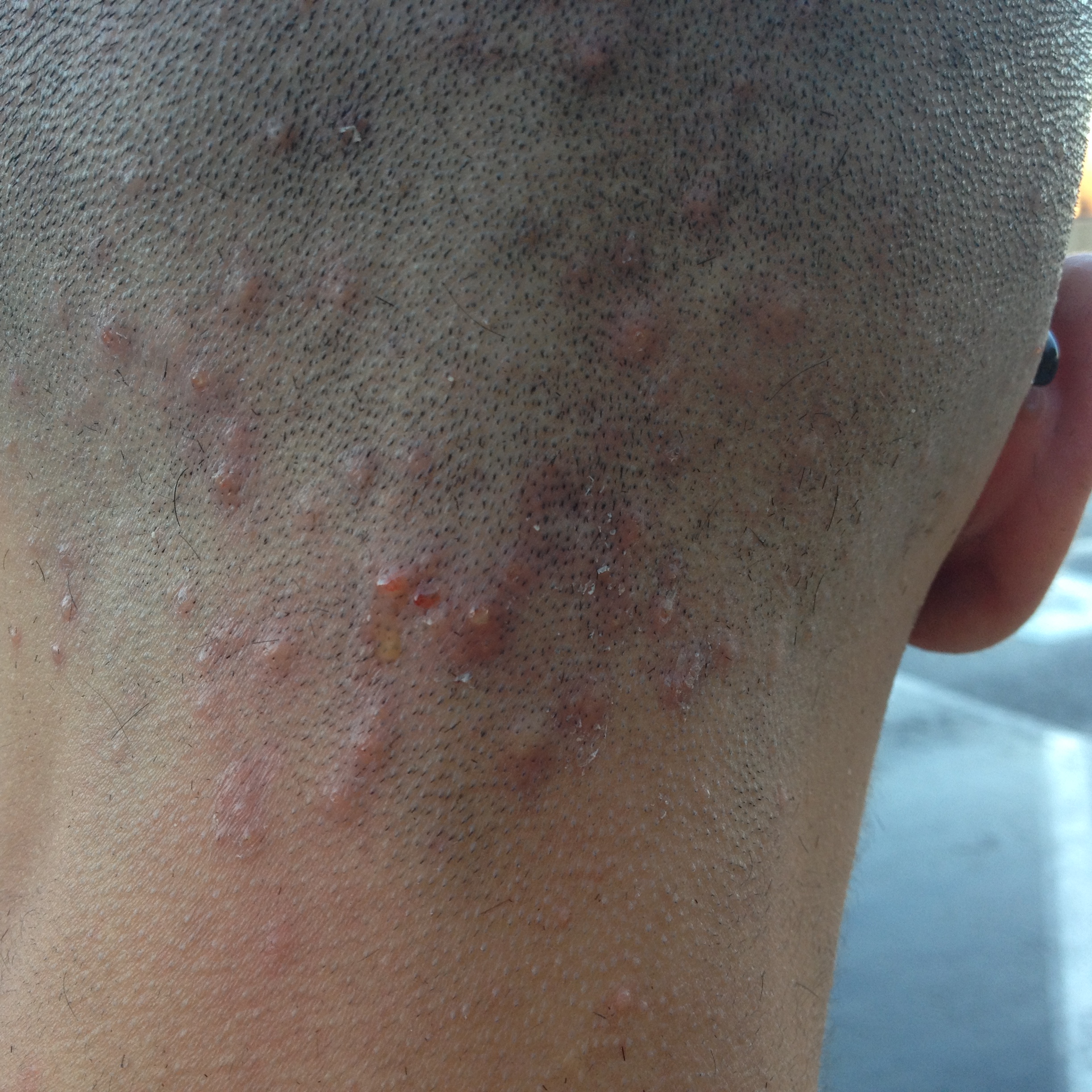
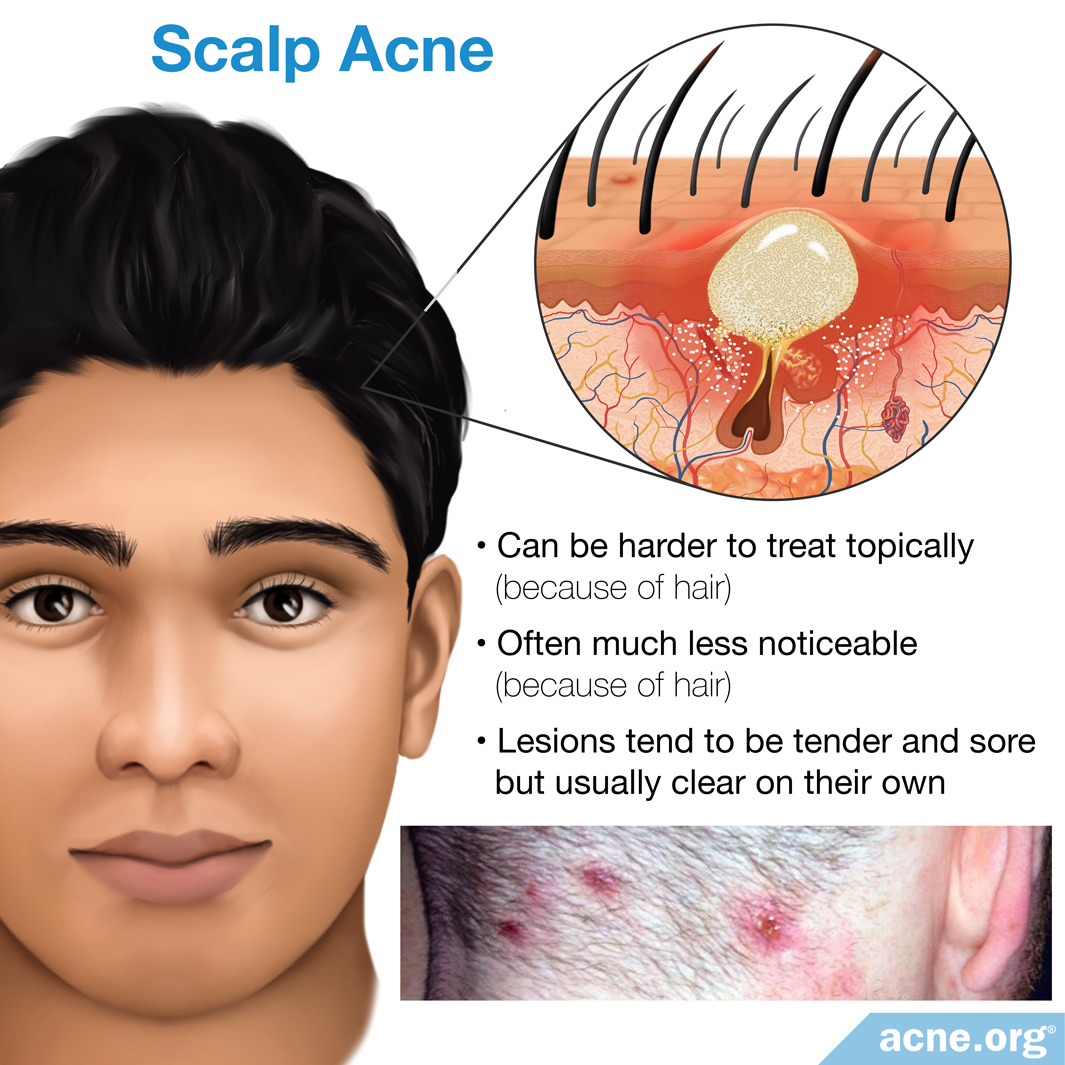
Scalp acne occurs when the hair follicles on your scalp become clogged with dead skin cells, oil, or other debris. This can lead to inflammation and the formation of pimples, bumps, or whiteheads on your scalp. Several factors can contribute to scalp acne, including:
- Dirty hair and scalp
- Using harsh hair products or dyes
- Friction from tight hairstyles or hats
- Medication side effects
- Hygiene and poor scalp care
- Genetic predisposition
- Stress and hormonal changes
How to Identify Scalp Acne?
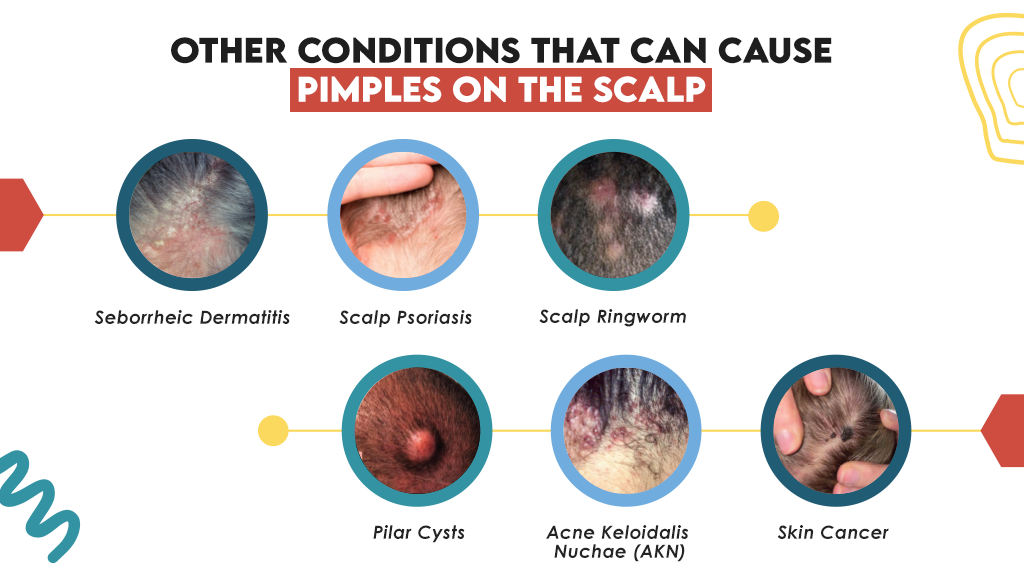
Scalp acne can manifest in different ways, making it challenging to identify. Look out for the following signs:
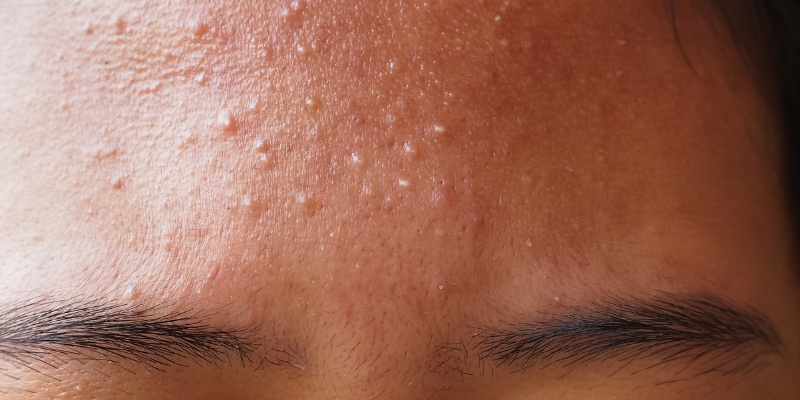
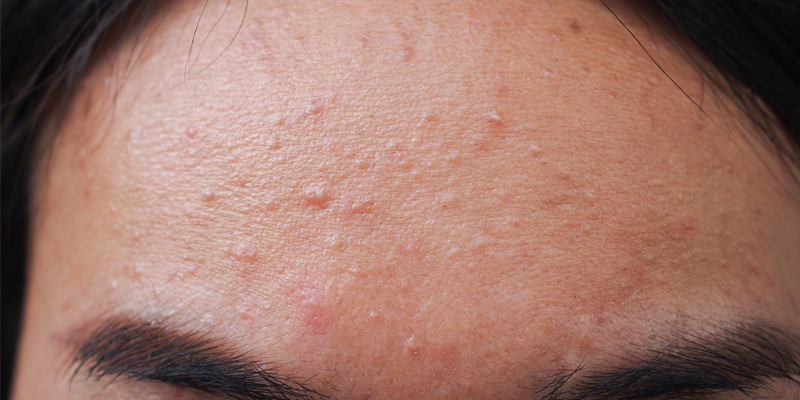
- Small, red bumps or pimples on your scalp
- Whiteheads or blackheads on your scalp
- Itchy or painful scalp
- Scalp flakiness or dandruff
- hair loss or thinning
How to Get Rid of Acne on Scalp?
Fortunately, there are several ways to get rid of scalp acne. Here are some effective treatments and home remedies:
Treatments:
Consult a dermatologist for professional advice and treatment. They may prescribe:
- Topical antibiotics to reduce inflammation and kill bacteria
- Retinoids to unclog pores and prevent scarring
- Salicylic acid to exfoliate the scalp and prevent clogged pores
- Spironolactone to regulate hormonal imbalances
Home Remedies:
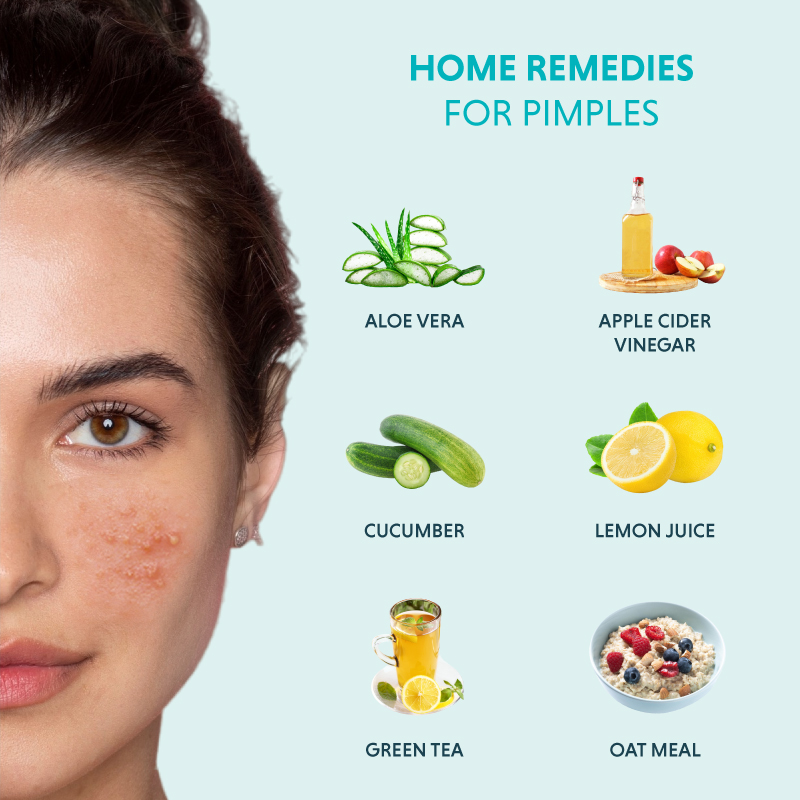
Try these natural remedies to soothe and treat your scalp acne:
- Tea tree oil: Apply a few drops to your scalp to reduce inflammation and kill bacteria
- Apple cider vinegar: Rinse your scalp with a diluted solution to balance the pH and reduce dandruff
- Coconut oil: Apply a small amount to your scalp to moisturize and soothe
- Warm compresses: Soak a towel in warm water, wring it out, and apply it to your scalp to loosen and remove dead skin cells
- Scalp exfoliation: Use a gentle scalp brush or a cotton swab to remove dead skin cells and stimulate blood flow
Prevention and Maintenance:
Prevent scalp acne from returning by:
- Keeping your hair and scalp clean
- Using gentle, sulfate-free hair products
- Reducing stress and hormonal imbalances
- Shaving or cutting your hair regularly
- Wearing loose hairstyles and hats
Conclusion:
Getting rid of scalp acne requires a comprehensive approach that combines professional treatment, home remedies, and prevention strategies. By understanding the causes, risks, and treatments associated with scalp acne, you can successfully manage and maintain a healthy scalp.
Related Articles:
- How to Get Rid of Cysts on Face
- How to Treat Dog Cysts
- How to Get Rid of Mites on Your Face
- Home Remedies for Cysts
- How to Get Rid of Scabs on Scalp
Additional Resources:
- Scalp Acne: Causes, Symptoms, and Treatment
- How to Get Rid of Acne on Scalp
- Tea Tree Oil Benefits for Skin and Hair
- Shower Filter Benefits for Hair and Skin
- What Causes Fungal Acne?