Information Overload in the Digital Age: Understanding the Challenges and Solutions
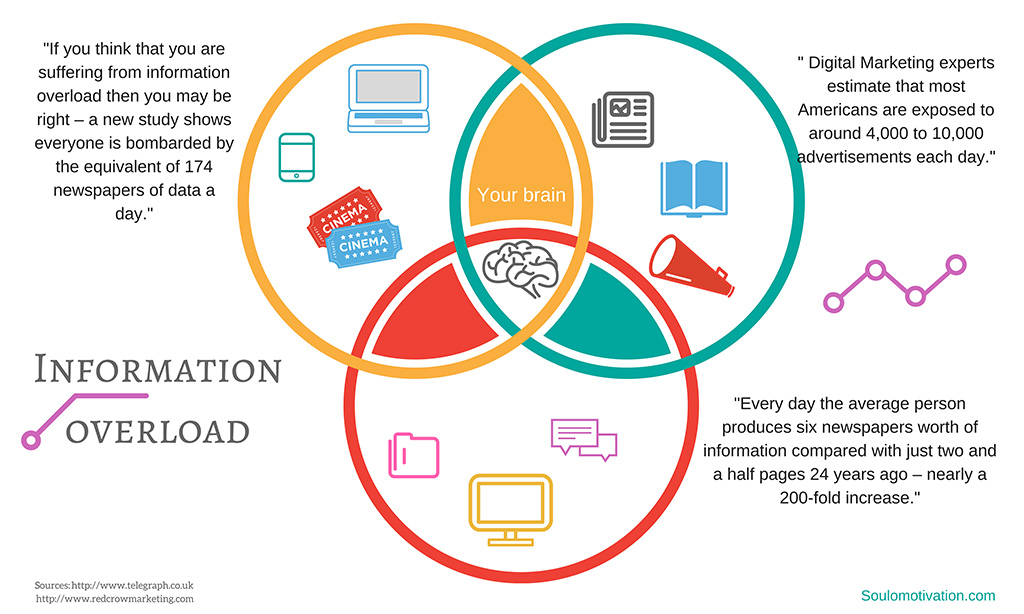
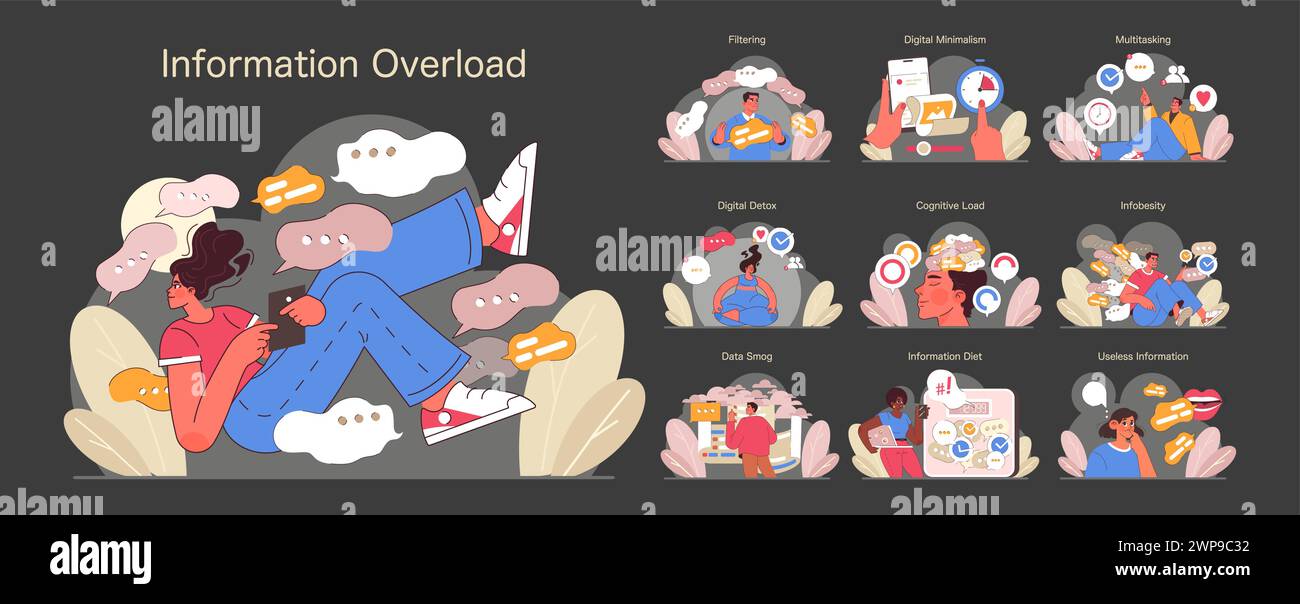
The digital age has brought about unprecedented access to information, but it has also created a new set of challenges. With the proliferation of digital technologies, the sheer volume of information available to us has reached staggering levels, making it difficult to process, manage, and use effectively. This phenomenon is known as information overload, and it has significant implications for individuals, organizations, and society as a whole.
Causes and Consequences of Information Overload
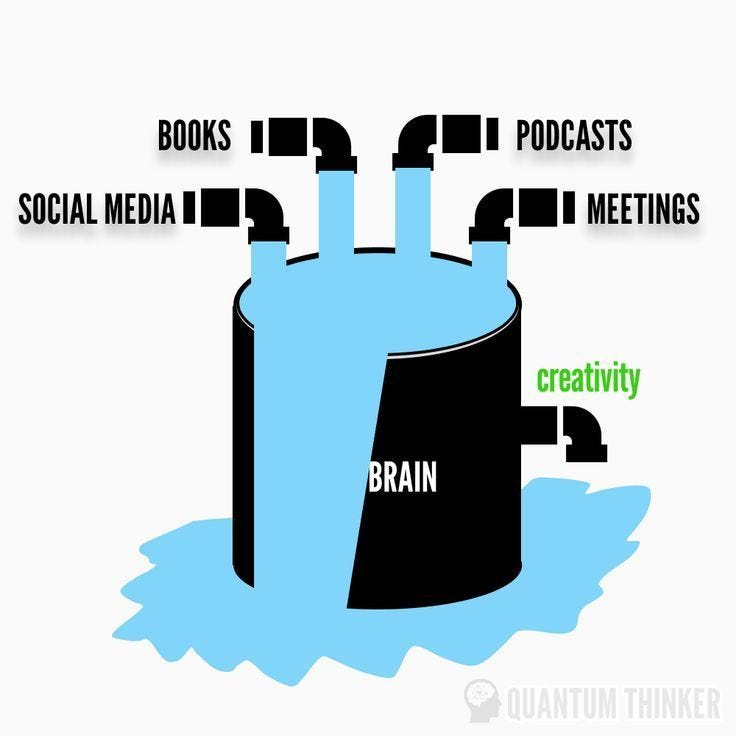
Information overload occurs when the volume and velocity of information exceed an individual's or organization's ability to process and make sense of it. The primary causes of information overload include:
- Exponential growth of digital information
- Rapid dissemination of data via the internet
- Constant barrage of distractions and notifications
- Lack of filters and boundaries between work and personal life
The consequences of information overload are far-reaching, including:
- Decreased productivity and performance
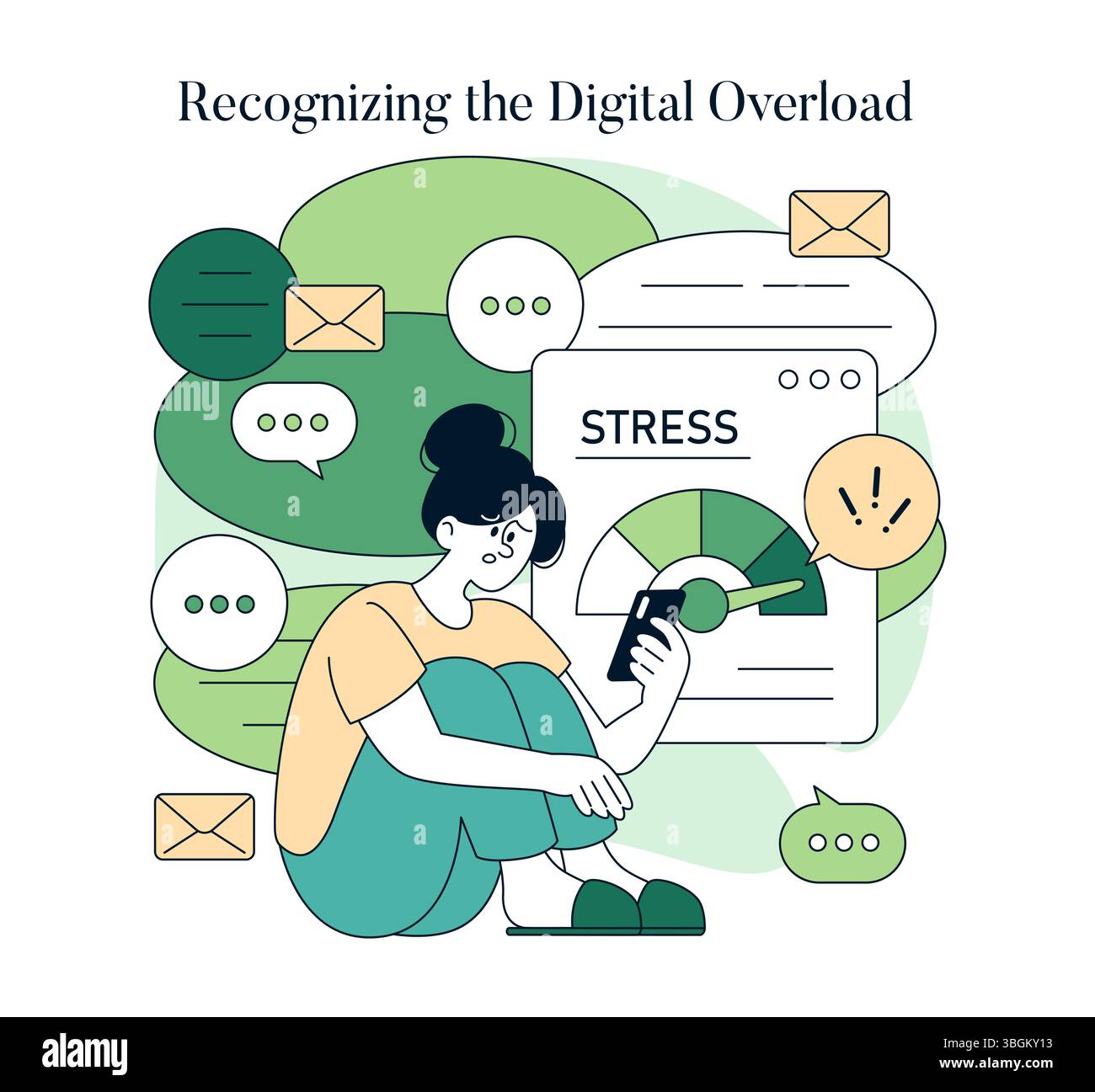
- Increased stress and anxiety
- Difficulty making informed decisions
- Strained relationships and communication
Solutions and Strategies for Managing Information Overload
To mitigate the effects of information overload, individuals and organizations can employ various strategies and solutions, including:
- Prioritization and focus on high-priority tasks and information
- Implementation of information management systems and tools
- Establishment of clear boundaries between work and personal life
- Development of critical thinking and decision-making skills
- Regular review and evaluation of information sources and subscriptions
Implications for Business and Society

The impact of information overload on businesses and society is significant, with far-reaching implications for productivity, innovation, and decision-making. Organizations that fail to address information overload risk decreased competitiveness, reduced employee engagement, and decreased customer satisfaction. Society-wide, information overload can lead to decreased civic engagement, reduced trust in institutions, and increased feelings of overwhelm and anxiety.
Conclusion
Information overload in the digital age is a pressing concern that requires attention and action from individuals, organizations, and society. By understanding the causes and consequences of information overload, and implementing effective strategies and solutions, we can mitigate its negative effects and create a more productive, innovative, and sustainable future.
Additional Resources
For further reading and exploration, we recommend the following resources:
- Lin et al. (2015): "Information Overload in the Digital Age: A Systematic Review"
- Bunzeck & Düzel (2006): "Absolute novelty is encoded in the human substantia nigra/ventral tegmental area"
- Harris (2016): "AI brain fry: Managing cognitive overload in the age of artificial intelligence"
References
Lin, X., et al. (2015). Information Overload in the Digital Age: A Systematic Review. ScienceDirect, 123-140.
Bunzeck, N., & Düzel, E. (2006). Absolute novelty is encoded in the human substantia nigra/ventral tegmental area. Neuron, 51(3), 369-379.
Harris, T. (2016). AI brain fry: Managing cognitive overload in the age of artificial intelligence. Harvard Business Review.