Motherboard Troubleshooting Guides: A Comprehensive Approach to Identifying and Fixing Common Issues
When it comes to diagnosing and repairing computer hardware problems, the motherboard is often the most critical component to examine. A faulty motherboard can prevent your computer from turning on, functioning properly, or even communicating with other devices. In this article, we will delve into the world of motherboard troubleshooting guides, providing a comprehensive approach to identifying and fixing common issues.
Understanding Motherboard Basics
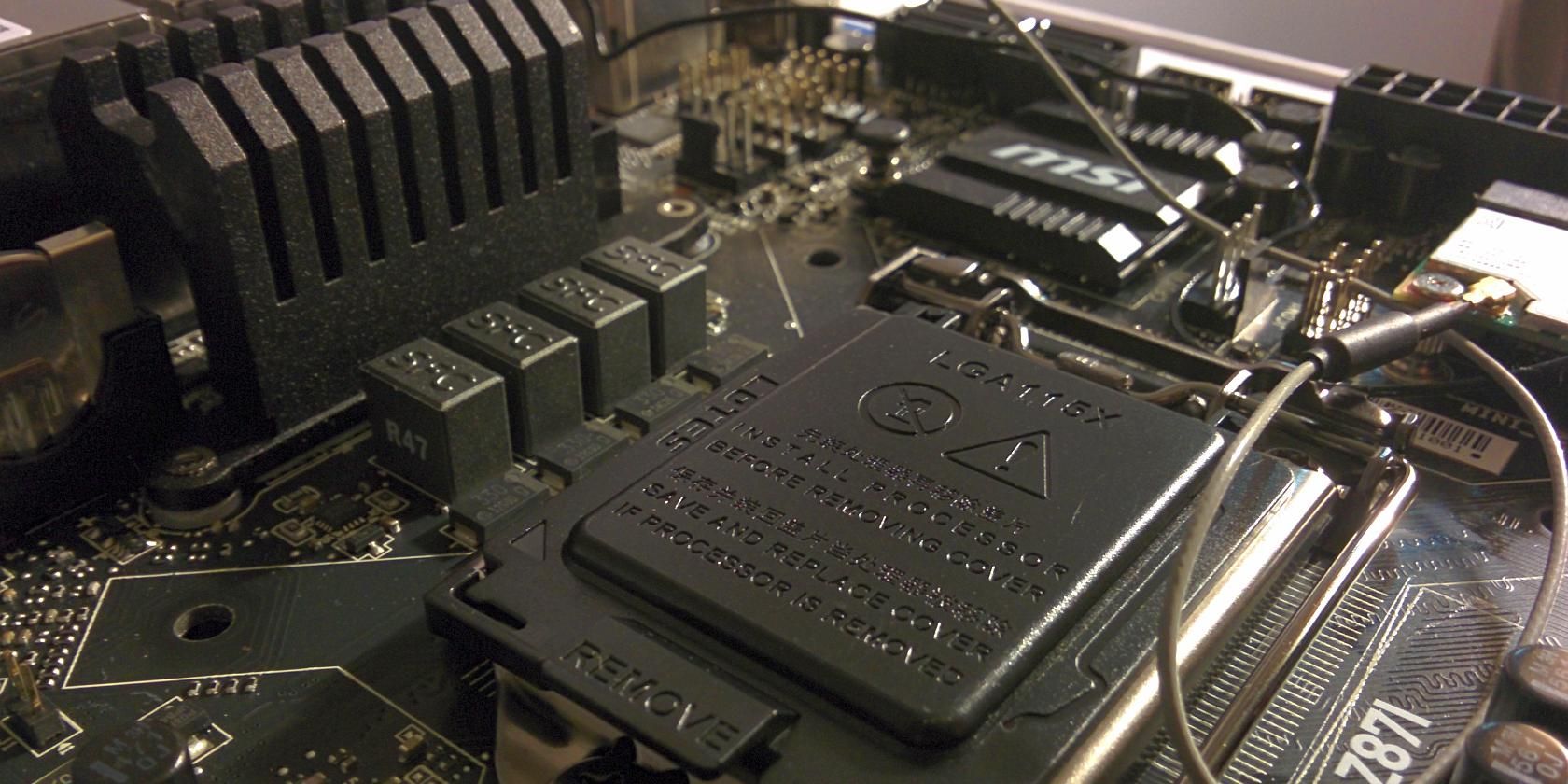
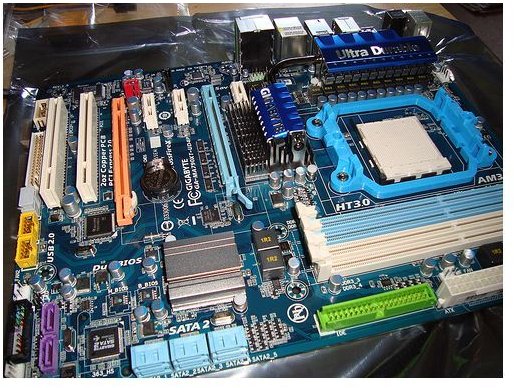
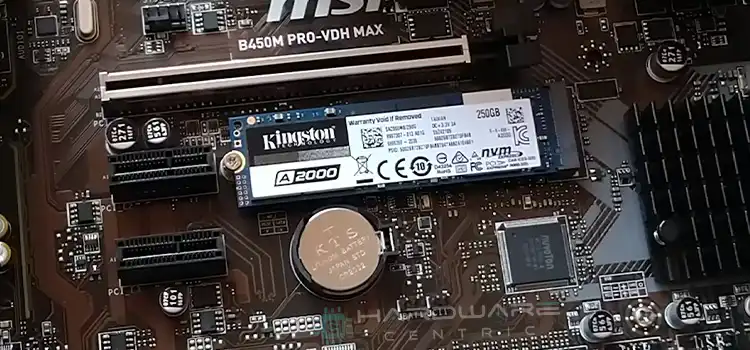
The motherboard is the principal circuit board of a computer and serves as the connection point for various hardware components, including the CPU, RAM, storage drives, and expansion cards. It provides essential functions like power distribution, communication between components, and data transfer between the CPU and other peripherals.
With this understanding, let's begin our journey into the realm of motherboard troubleshooting guides and explore the common issues that can arise with this critical component.
Common Symptoms of a Faulty Motherboard
- No Power/No Boot/No Display: If your computer doesn't turn on, isn't booting, or displaying anything on the monitor, the issue could be related to the motherboard.
- Random Freezes or Shutdowns: If your computer freezes or shuts down unexpectedly, it might be indicative of a motherboard problem.
- Overheating: Excessive heat can damage the motherboard, causing it to malfunction or fail.
- Connectivity Issues: Problems with USB ports, SATA ports, or other connectors can point to a motherboard issue.
Step-by-Step Motherboard Troubleshooting Guide
Before diving into advanced troubleshooting methods, it's essential to ensure your system is properly powered and that all cables are securely connected. Here's a step-by-step motherboard troubleshooting guide to help you identify and fix common issues:
Step 1: Check Power Supply and Cables
- Verify Power Supply Unit (PSU): Ensure the PSU is delivering sufficient power to the motherboard and other system components.
- Inspect Cable Connections: Check that all cables are securely connected to the motherboard, including the PSU, CPU, and other components.
Step 2: Inspect Motherboard and Components

- Visual Inspection: Look for signs of physical damage, such as cracks, burns, or corrosion.
- Check for BIOS Updates: Ensure the motherboard BIOS is up-to-date, as outdated BIOS versions can cause compatibility issues.
Step 3: Diagnose POST Errors
- Understand POST Errors: POST (Power-On Self-Test) errors are cryptic messages displayed during the boot process that can indicate motherboard-related problems.
- Identify the Error Code: Look up the error code in the motherboard manual or the manufacturer's website for specific troubleshooting instructions.
Advanced Troubleshooting Methods
For more complex motherboard issues, you may need to utilize advanced troubleshooting methods, such as:
- Clearing CMOS: Try resetting the CMOS values to their default settings by shorting the CMOS jumper (if present).
- Using a Multimeter: Employ a multimeter to measure voltages and currents, helping you identify issues with power supply or component connectivity.
- Swap Parts with Identical Components: Temporarily replace suspect components with identical ones to isolate the problem and identify the faulty part.
Conclusion: Mastering Motherboard Troubleshooting Guides
By following the motherboard troubleshooting guides outlined in this article, you'll be equipped with the skills to diagnose and fix common issues with your motherboard. Remember to always follow the manufacturer's instructions, consult the motherboard manual, and take necessary precautions when working with electrical components.
Don't let motherboard problems confound you. With this comprehensive guide, you'll be able to tackle even the most complex troubleshooting tasks with confidence.
Free Online Resources for Motherboard Troubleshooting
- Repair Manuals and Guides: Find free step-by-step repair instructions, manuals, schematics, community support, and other DIY resources online.
- Forums and Communities: Join online forums and communities dedicated to motherboard troubleshooting, where experienced users can provide guidance and support.
- Manufacturer Support: Contact technical support for your motherboard manufacturer or a computer repair shop for diagnosis and possible hardware replacement.