Attention Span Disorders: Understanding the Causes and Consequences
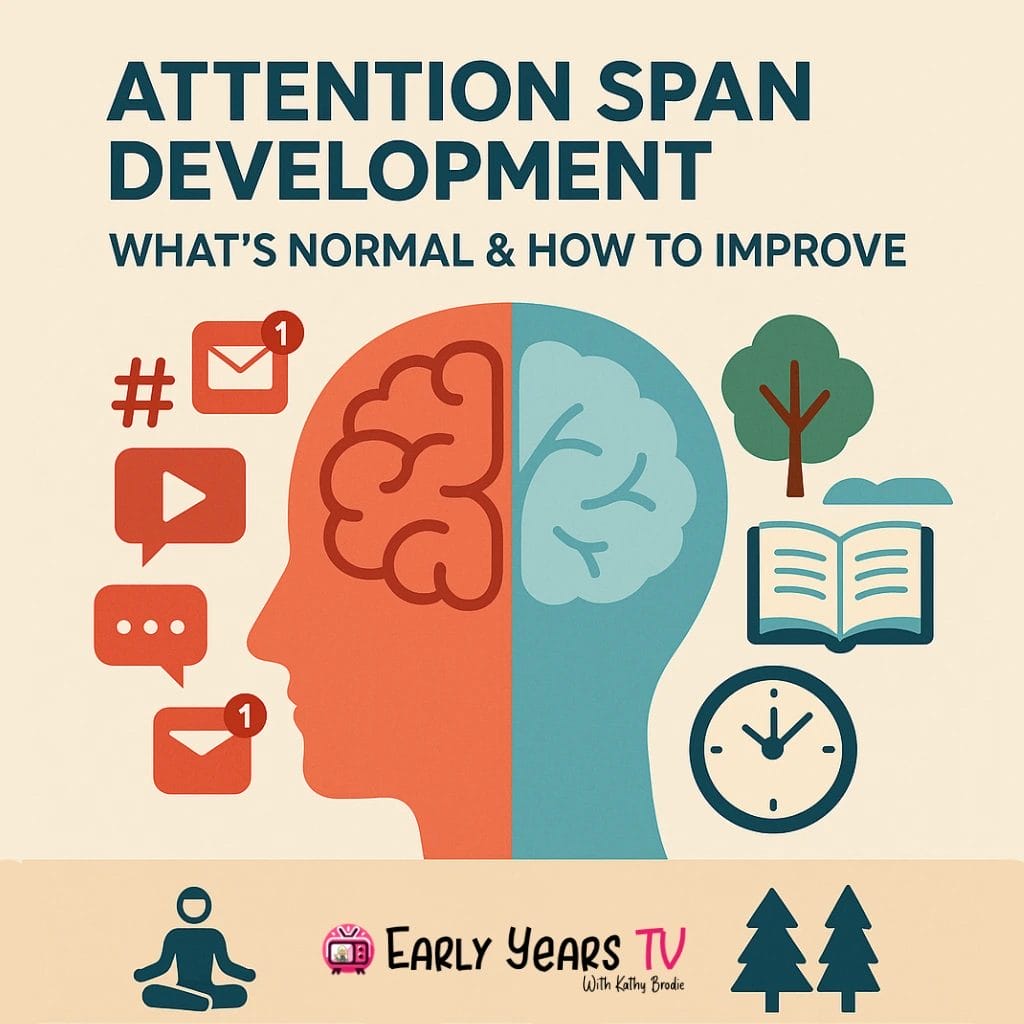
In today's fast-paced world, maintaining attention and focus has become a significant challenge for many individuals. Attention span disorders, including attention-deficit/hyperactivity disorder (ADHD), have become increasingly prevalent, affecting not only children but also adults. This article delves into the world of attention span disorders, exploring the causes, symptoms, and consequences of these conditions.
What Are Attention Span Disorders?
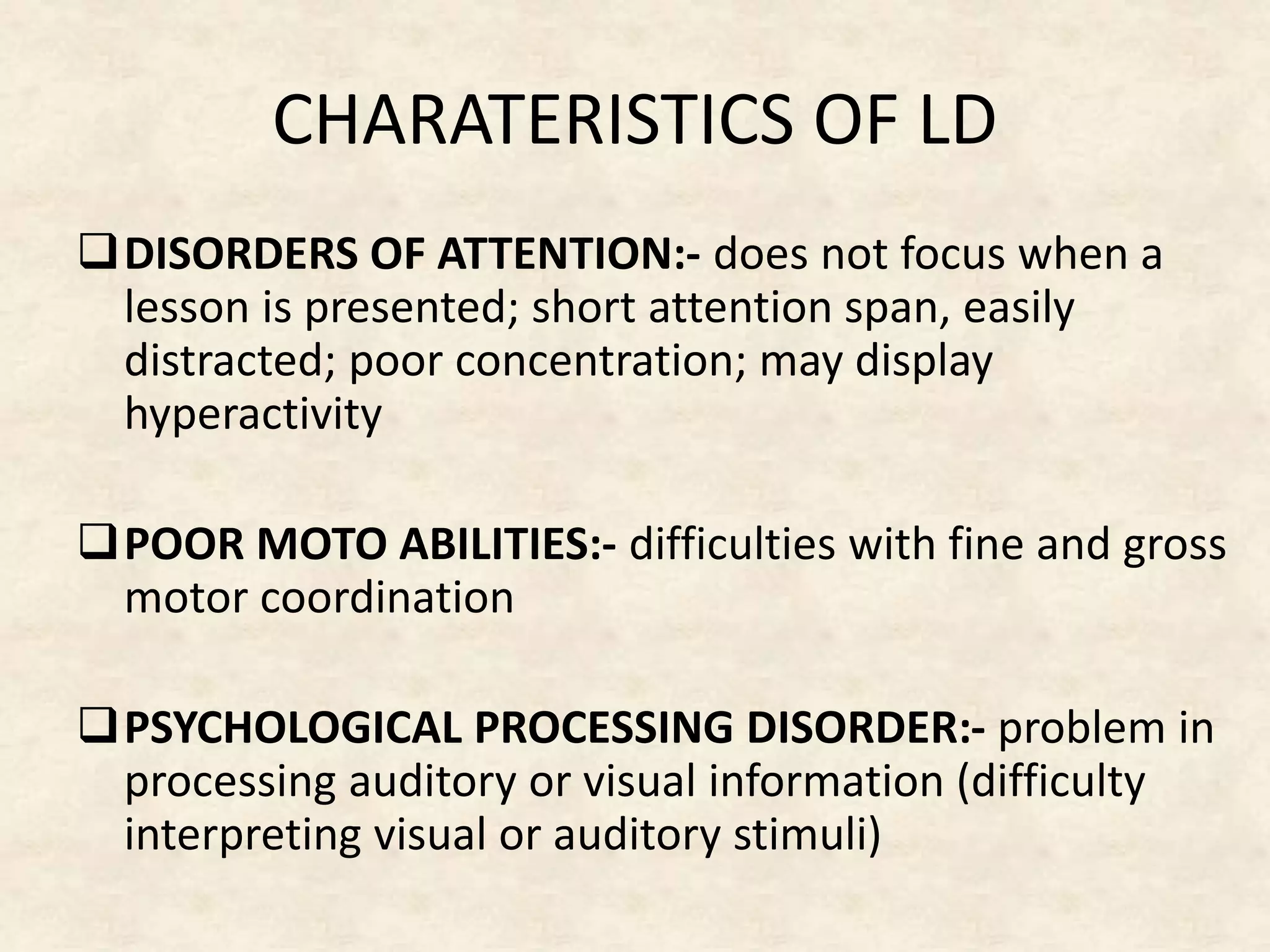
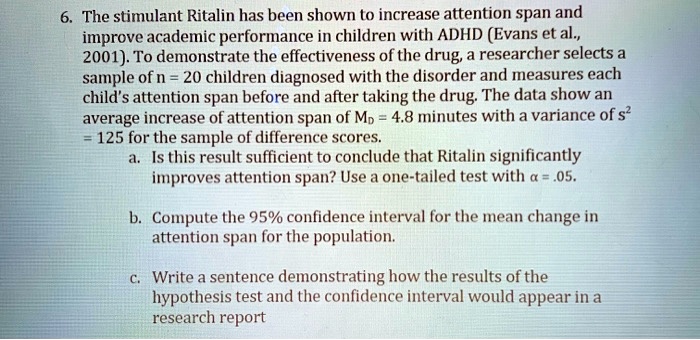
Attention span disorders refer to a group of neurodevelopmental disorders characterized by difficulties with sustained attention, impulsivity, and hyperactivity. ADHD is one of the most common attention span disorders, affecting an estimated 8-10% of children and 4-5% of adults worldwide.
Causes of Attention Span Disorders
Attention span disorders can be caused by a combination of genetic, environmental, and psychological factors. Some possible causes include:
- Genetic predisposition: ADHD tends to run in families, suggesting a strong genetic component.
- Brain structure and function: Research suggests that individuals with ADHD may have differences in brain structure and function, particularly in areas responsible for attention and impulse control.
- Prenatal and perinatal factors: Exposure to toxins, infection, or other stressors during pregnancy or early childhood may increase the risk of developing ADHD.
- Environmental factors: Children exposed to excessive screen time, lack of physical activity, and poor sleep habits may be more likely to develop ADHD.
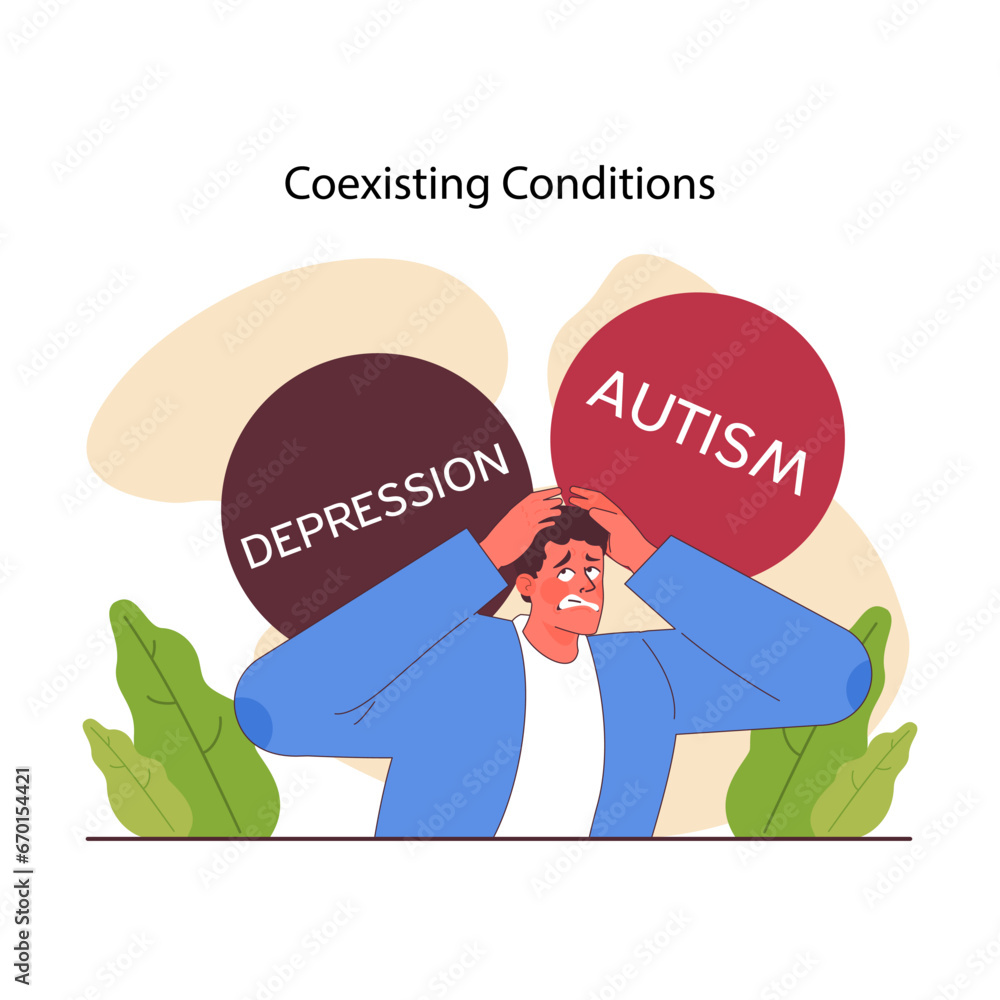
- Co-occurring conditions: ADHD often co-occurs with other conditions, such as anxiety, depression, and learning disabilities.
Symptoms of Attention Span Disorders
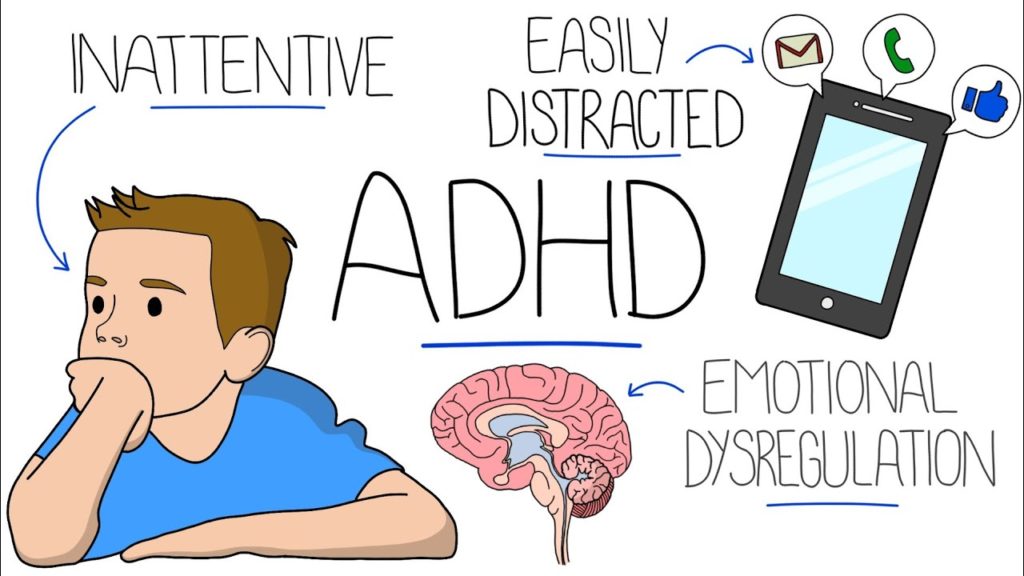
The symptoms of attention span disorders can vary in severity and impact daily life in different ways. Common symptoms include:
- Inattention: Difficulty paying attention to details, following instructions, or completing tasks.
- Hyperactivity: Excessive restlessness, fidgeting, or feeling constantly "on the go."
- Impulsivity: Difficulty controlling impulses, interrupting others, or blurting out answers.
- Disorganization: Struggling to organize tasks, time, and materials.
- Emotional difficulties: Increased stress, anxiety, or mood swings.
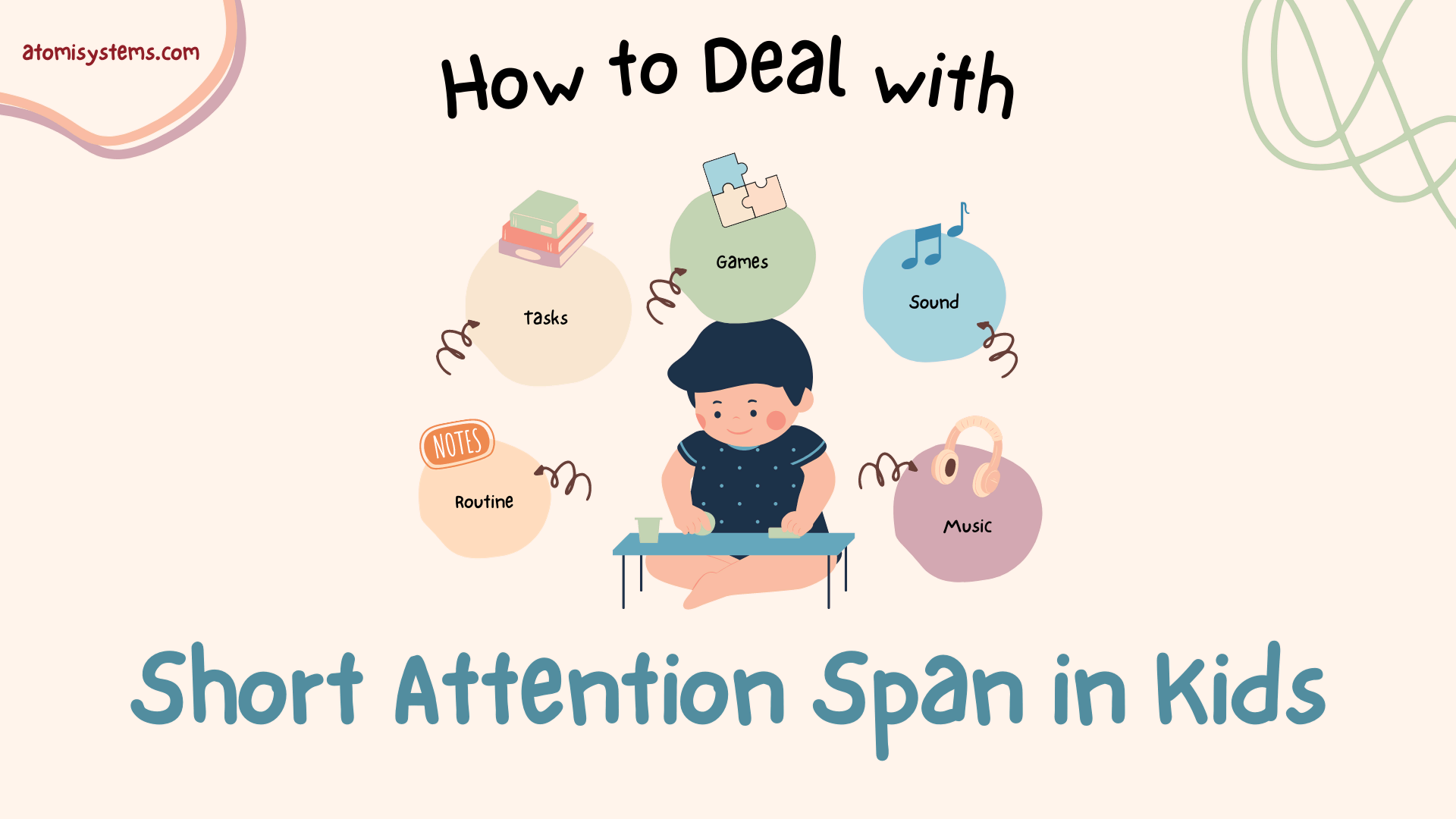
Consequences of Attention Span Disorders
Untreated attention span disorders can have severe consequences, affecting not only an individual's quality of life but also their relationships and academic or professional success. Some potential consequences include:
- Academic underachievement: Difficulty completing homework, following instructions, or meeting deadlines.
- Social challenges: Struggling to maintain relationships, follow rules, or control impulses in social situations.
- Career difficulties: Trouble staying focused, meeting deadlines, or completing tasks at work.
- Mental health concerns: Increased risk of anxiety, depression, or other mental health conditions.
- Impaired daily functioning: Difficulty managing daily routines, such as cleaning, cooking, or personal hygiene.
Treatment and Management Options
Fortunately, attention span disorders can be effectively treated and managed with the right strategies and interventions. Treatment options may include:
- Medications: Stimulants, non-stimulants, or antidepressants may be prescribed to help regulate attention and behavior.
- Behavioral therapies: Techniques such as cognitive-behavioral therapy (CBT), behavioral modification, and social skills training can help individuals develop better coping strategies and skills.
- Accommodations and modifications: Schools and workplaces can provide accommodations, such as extra time to complete tasks or the use of assistive technology, to help individuals with attention span disorders succeed.
- Lifestyle changes: Encouraging regular exercise, healthy eating, and sufficient sleep can help alleviate symptoms of attention span disorders.
Conclusion
Attention span disorders, including ADHD, are complex conditions that require a comprehensive understanding of their causes, symptoms, and consequences. By recognizing the signs and symptoms of attention span disorders and seeking professional help, individuals can effectively manage their symptoms and improve their quality of life. With the right treatment and support, individuals with attention span disorders can lead fulfilling and successful lives.