Password Security for Non-Technical Business Owners: A Guide to Protecting Your Business
Cybersecurity is a critical concern for small to medium-sized businesses, and password security is a crucial aspect of protecting your company's data. As a non-technical business owner, you may not have the expertise to navigate the complex world of cybersecurity, but that doesn't mean you can't take steps to safeguard your business. In this article, we'll provide a comprehensive guide to password security for non-technical business owners, covering the basics of password management, the importance of strong passwords, and how to implement a password policy in your business.
Why Password Security is Important for Your Business
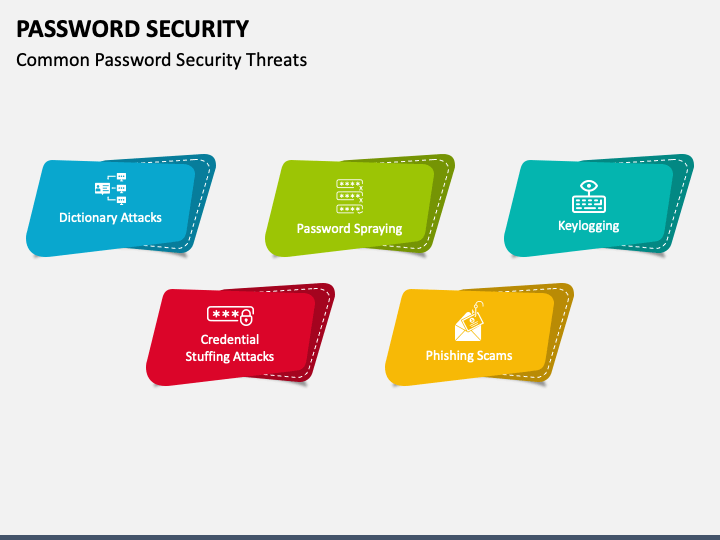
Passwords are a vulnerability in your business's security infrastructure, and weak or stolen passwords can give cybercriminals access to your systems and sensitive data. According to NCA's annual Oh, Behave! survey, 35% of participants still use personal details, like birthdays and names, as passwords. This is a recipe for disaster, as these types of passwords can be easily guessed or cracked.
The Importance of Strong Passwords
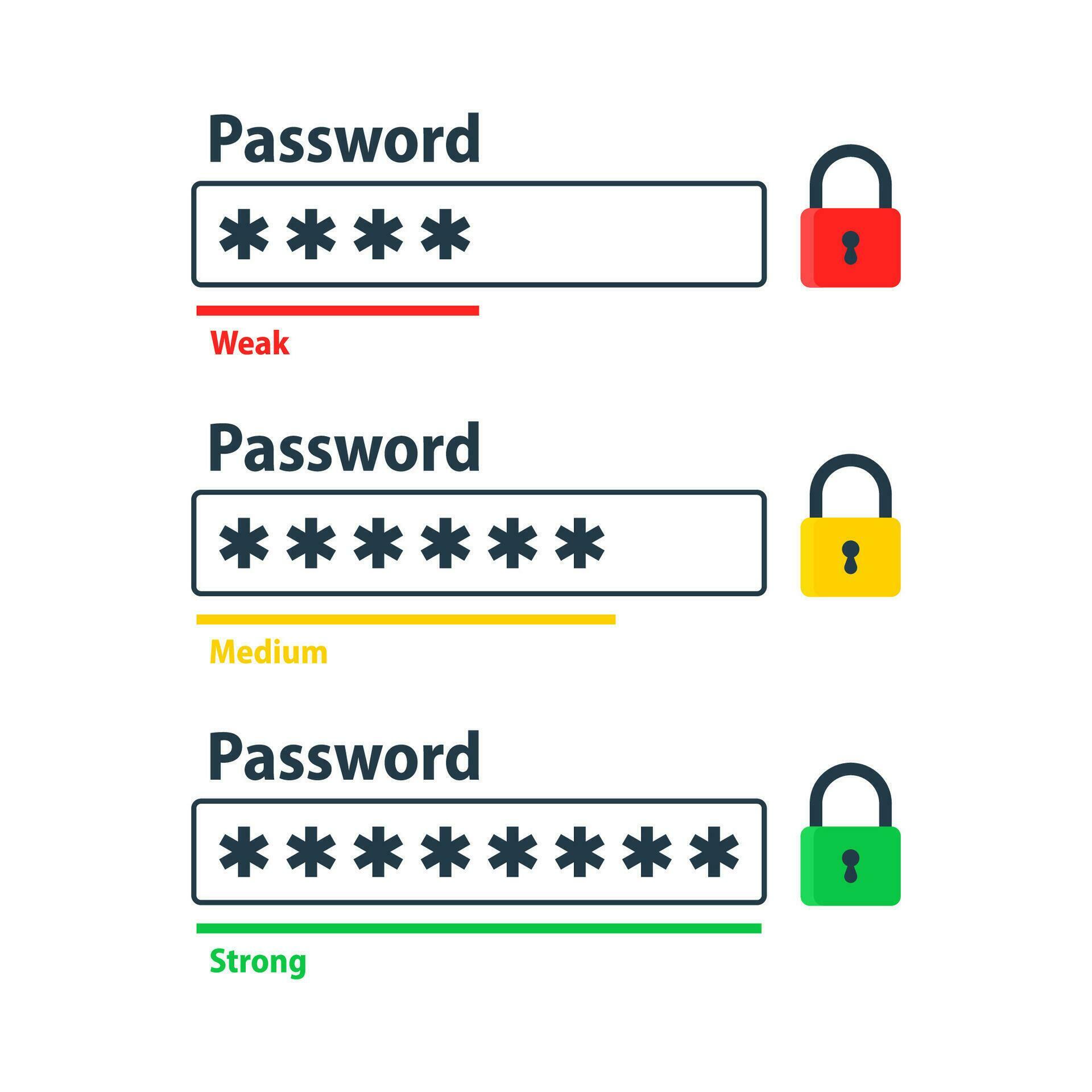
Strong passwords are a critical component of password security. A strong password should be at least 12 characters long, include a mix of uppercase and lowercase letters, numbers, and special characters, and be unique for each account. Using a password manager can help you generate and store strong, unique passwords for each of your business accounts.
Password Management for Non-Technical Business Owners
As a non-technical business owner, you may not have the expertise to manage your passwords manually. That's where a password manager comes in. A password manager is a software program that generates, stores, and fills in all your passwords, eliminating the need to remember complex passwords. Some popular password managers include LastPass, Bitwarden, and RoboForm.
Implementing a Password Policy in Your Business

Implementing a password policy in your business is a critical step in protecting your data. A password policy outlines your expectations for password creation, storage, and use within your organization. Some key components of a password policy include:
- Strong password requirements: Define what constitutes a strong password, including minimum length, complexity, and uniqueness requirements.
- Password rotation: Mandate regular password rotation to prevent password reuse and weak passwords.
- Multi-factor authentication (MFA): Require MFA for all employees to add an extra layer of security to your business's systems.
- Password storage: Designate a secure method for storing and managing passwords, such as a password manager.
Best Practices for Password Security
Here are some additional best practices for password security that you can implement in your business:
- Use a password manager to generate and store strong, unique passwords.
- Implement MFA for all employees.
- Use two-factor authentication (2FA) to add an extra layer of security to your business's systems.
- Limit password reuse and weak passwords.
- Regularly review and update your password policy to ensure it remains effective.
Conclusion
Password security is a critical aspect of protecting your business from cyber threats. As a non-technical business owner, you may not have the expertise to navigate the complex world of cybersecurity, but by implementing a password policy and using a password manager, you can significantly reduce the risk of a password-related security breach. Remember, password security is an ongoing process that requires regular monitoring and updates to remain effective. By following these best practices and staying vigilant, you can protect your business from the threats of weak and stolen passwords.