Melatonin Overdose Warning Signs and Symptoms: What You Need to Know
As the popularity of melatonin supplements continues to rise, so does the risk of melatonin overdose. Taking too much melatonin can cause a range of severe side effects, from mild dizziness to life-threatening complications. In this article, we will explore the melatonin overdose warning signs and symptoms, what causes an overdose, and how to safely use melatonin to avoid unpleasant side effects.
What is Melatonin?
Melatonin is a hormone that your brain produces to control your sleep-wake cycle, also known as your circadian rhythm. It helps regulate your body temperature, blood pressure, and hormone levels, making it easier to fall asleep and stay asleep. Melatonin supplements are synthetic versions of the natural hormone and are commonly used to treat insomnia, sleep disorders, and jet lag.
What Causes a Melatonin Overdose?
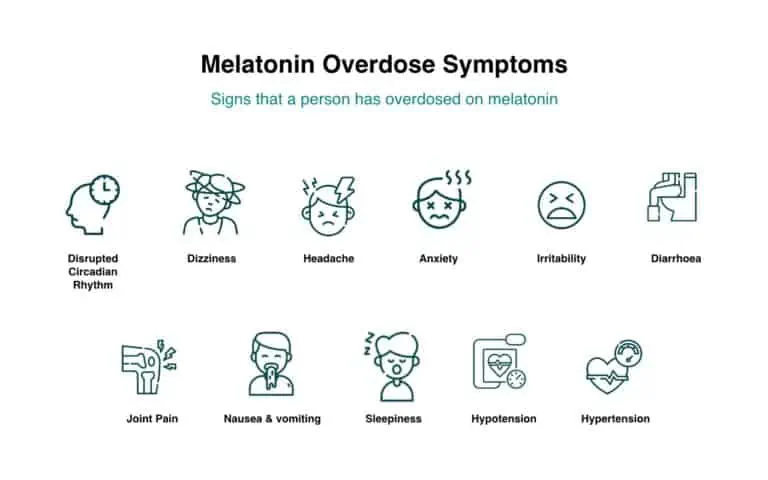
A melatonin overdose typically occurs when a person takes too much of the supplement, either accidentally or intentionally. The amount of melatonin that can be toxic varies depending on individual factors, such as age, weight, and sensitivity. Taking too much melatonin can lead to excessive sleepiness, dizziness, nausea, vomiting, and other unpleasant side effects.
Common Melatonin Overdose Signs and Symptoms
- Excessive sleepiness or drowsiness
- Dizziness or lightheadedness
- Nausea and vomiting
- Headaches
- Stomach cramps and diarrhea
- Confusion, disorientation, or hallucinations
- Abnormal heartbeat or palpitations
- Interactions with other medications
What to Do in Case of a Melatonin Overdose?

If you suspect a melatonin overdose, contact your healthcare provider or a poison control center immediately. In most cases, mild melatonin overdoses can be treated at home by stopping the supplement use and allowing the body to naturally clear the melatonin.
Safe Melatonin Dosing Limits
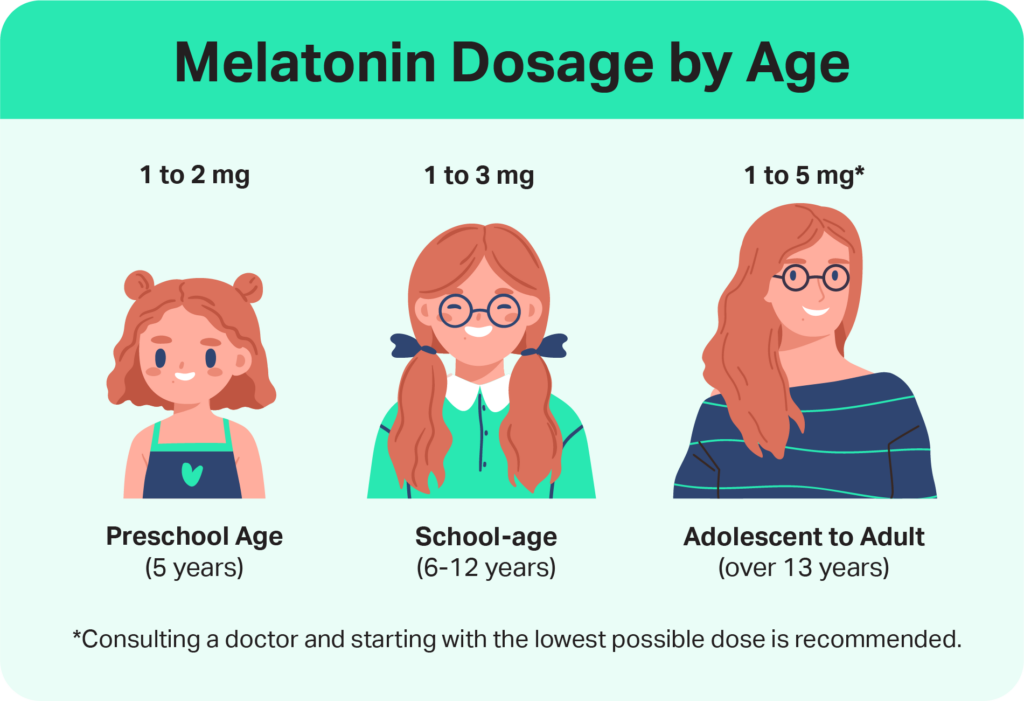
The recommended daily dose of melatonin varies depending on individual factors, such as age, weight, and sensitivity. The typical dose ranges from 0.5 to 5 milligrams, taken 30 minutes to 1 hour before bedtime. Taking more than 10 milligrams of melatonin can increase the risk of an overdose.
Preventing Melatonin Overdose
Preventing melatonin overdose starts with accurate dosing and responsible use of the supplement. Always follow the recommended dosage instructions and consult with your healthcare provider before using melatonin, especially if you are taking other medications or have underlying medical conditions.
Conclusion
Melatonin overdose warning signs and symptoms are real, and it's essential to be aware of them to avoid unpleasant side effects. By understanding the risks associated with melatonin use, you can safely use supplement to improve your sleep quality and overall health. Remember to always consult with your healthcare provider before using melatonin or any other medication, and follow the recommended dosage instructions.