What is Planned Obsolescence?
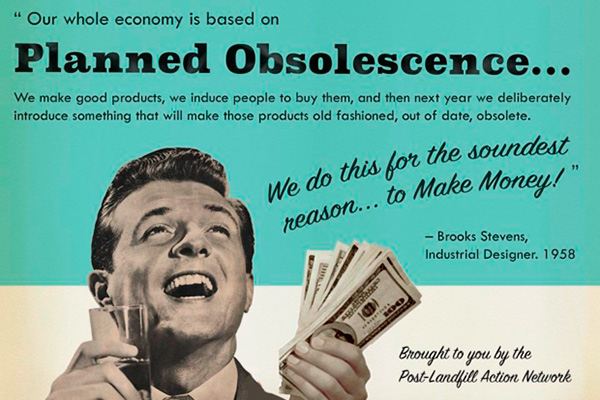
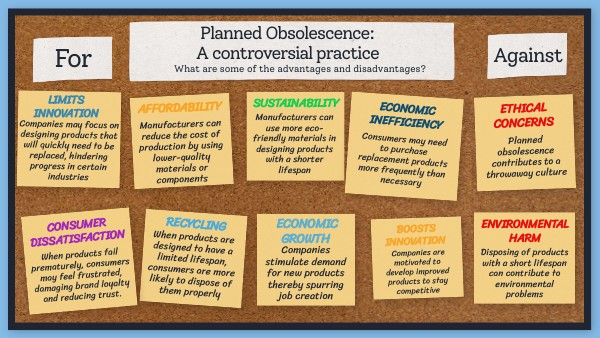
Planned obsolescence is a business strategy employed by manufacturers to deliberately design products with an artificially limited useful life. This tactic is used to encourage consumers to purchase replacements more frequently, driving sales in the linear economy. The practice of planned obsolescence is directly opposed by the circular economy's focus on durability and life extension.
History and Evolution
The concept of planned obsolescence originated in the 1920s and gained popularity in the mid-20th century. It involves two primary forms: obsolescence of desirability, where product designs are evolving to create a perception of obsolescence, and obsolescence of performance, where products are designed to fail or become non-functional after a certain period.
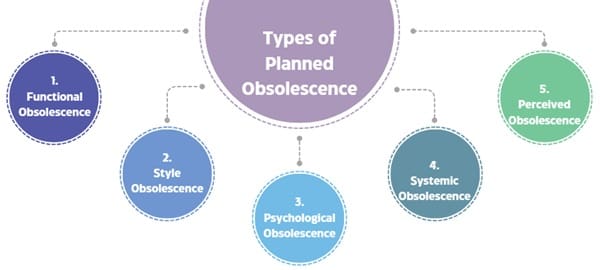
Types of Planned Obsolescence
Obsolescence of Desirability: This involves evolving product designs to create a perception of obsolescence, making consumers believe that newer products are necessary.
Obsolescence of Performance: This type involves designing products to fail or become non-functional after a certain period, forcing consumers to purchase replacements.
Obsolescence by Evolution: This tactic involves regularly introducing new features or designs to make older products seem outdated.
Obsolescence by Fad: This involves creating products that are trendy or fashionable for a short period, making them seem obsolete when the trend ends.
Examples of Planned Obsolescence
Planned obsolescence is used in various industries, including:
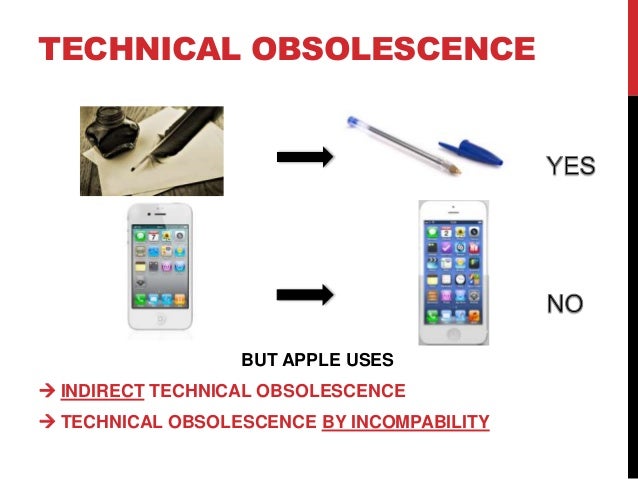
Electronics: Manufacturers like Apple and Samsung regularly release new models, making older products seem outdated and encouraging consumers to upgrade.
Clothing: Fast fashion brands produce cheap, trendy clothing that is designed to be discarded after a few wearings, contributing to the growing problem of textile waste.
Tires: The tire industry is designed to encourage replacement every few years, contributing to electronic waste and environmental pollution.
Software: Companies like Adobe and Microsoft regularly release new software versions, making older ones seem outdated and encouraging consumers to upgrade.
The Environmental Toll of Planned Obsolescence
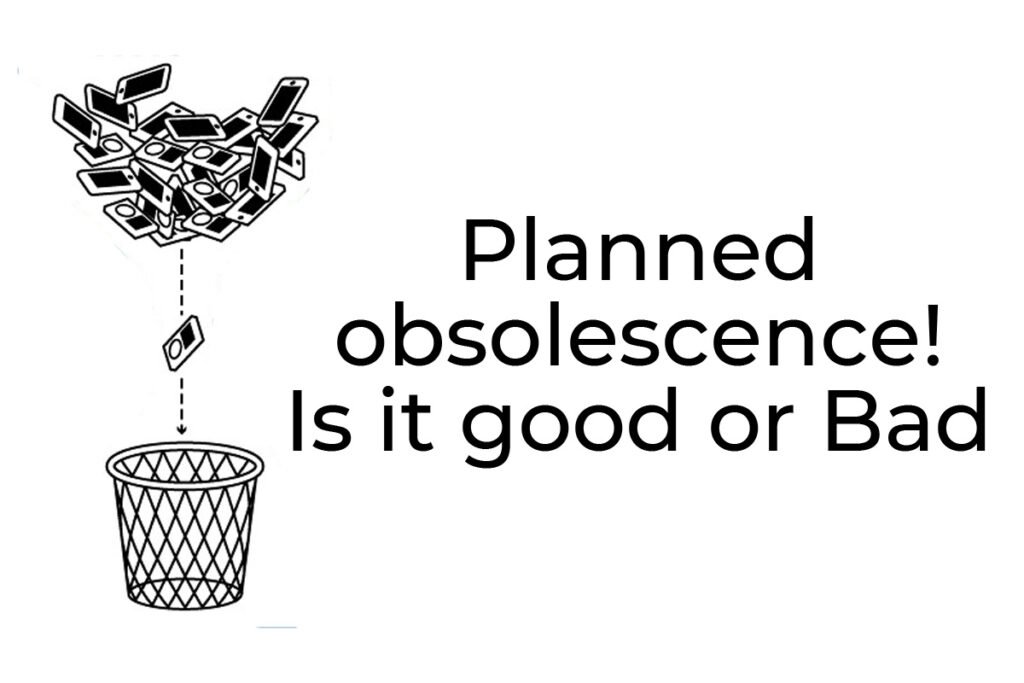
Planned obsolescence has devastating environmental repercussions. The rapid consumption and disposal of products contribute to the growing problem of electronic waste, which is toxic to the environment and human health. The production and disposal of single-use plastics, clothing, and other products also have significant environmental impacts.
Regulations and Initiatives to Combat Planned Obsolescence
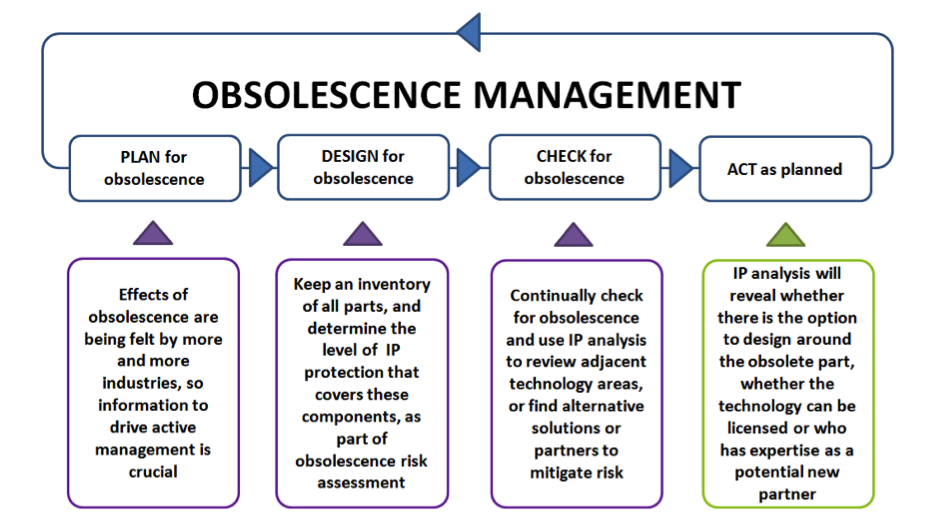
Several countries, including France, have introduced regulations to reduce planned obsolescence. These policies encourage manufacturers to create products that last longer, are easier to repair, and have a lower environmental impact. The circular economy's focus on durability and life extension is also gaining traction, with companies and governments working together to create more sustainable products and practices.
Conclusion
Planned obsolescence is a strategy used by manufacturers to deliberately design products with an artificially limited useful life. This tactic contributes to the growing problem of electronic waste, environmental pollution, and consumer debt. As consumers become more aware of the environmental and social impacts of planned obsolescence, they are demanding more sustainable products and practices. By understanding the concept of planned obsolescence and its effects, we can work towards creating a more circular and sustainable economy.