Staying Healthy with Exercise During Pregnancy
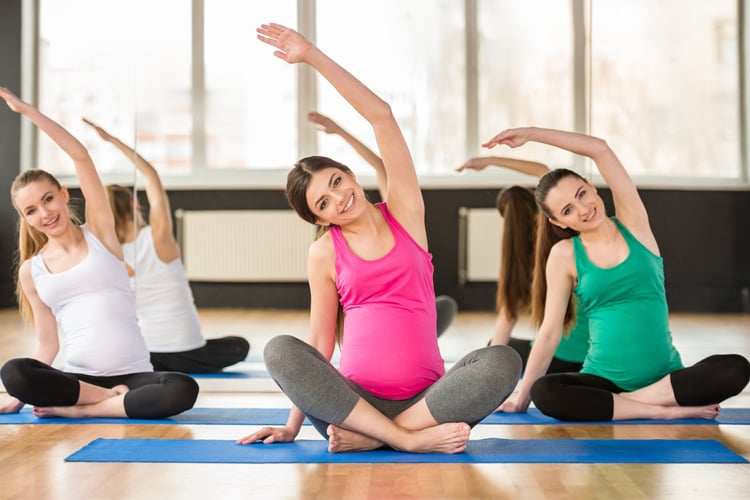
Pregnancy is a significant time of change for the body, and staying active is crucial for both mothers and their unborn babies. Regular exercise during pregnancy provides numerous benefits, from reducing discomfort symptoms to managing certain prenatal health conditions and aiding in recovery after birth. In this article, we'll explore the importance of exercise during pregnancy, its benefits, and how to safely modify your routine.
The Benefits of Exercise During Pregnancy
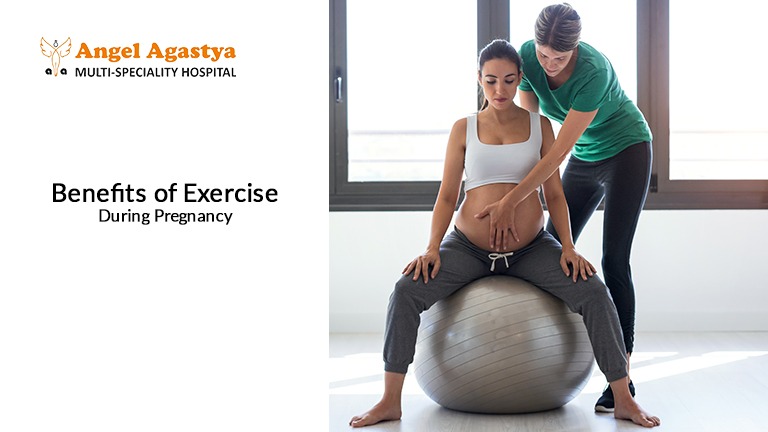
Exercise has been shown to be a safe and beneficial activity for pregnant women. It can help reduce the risk of excessive weight gain and gestational diabetes, while also maintaining heart and lung health (World Health Organization, 2020). Furthermore, regular exercise can decrease symptoms of postpartum depression during the postpartum period (first year after delivery).
What Exercises are Safe During Pregnancy?
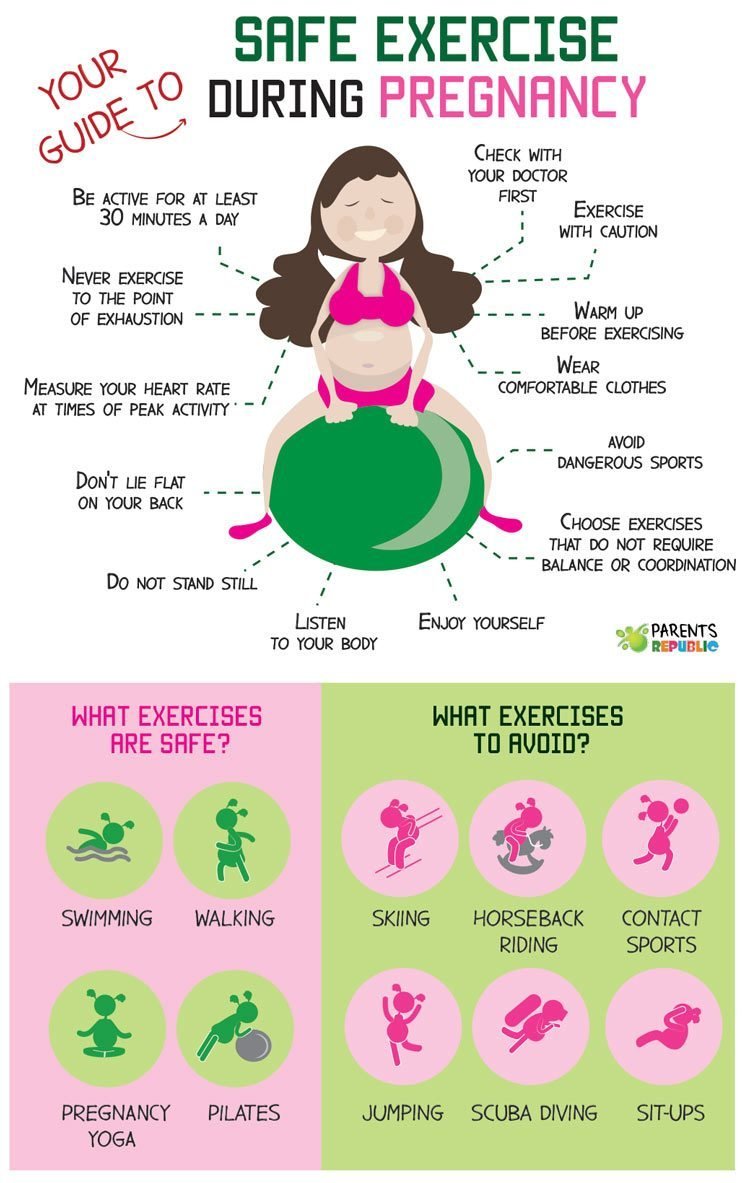
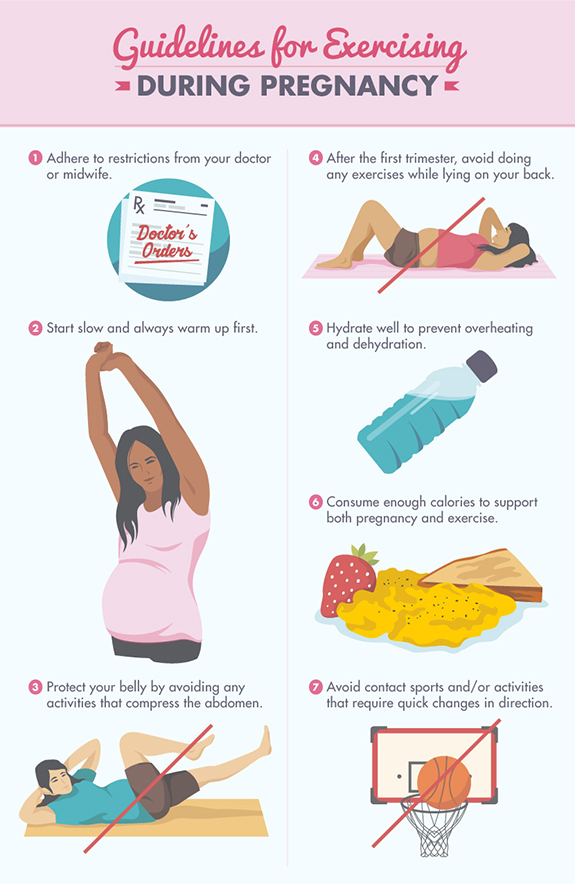
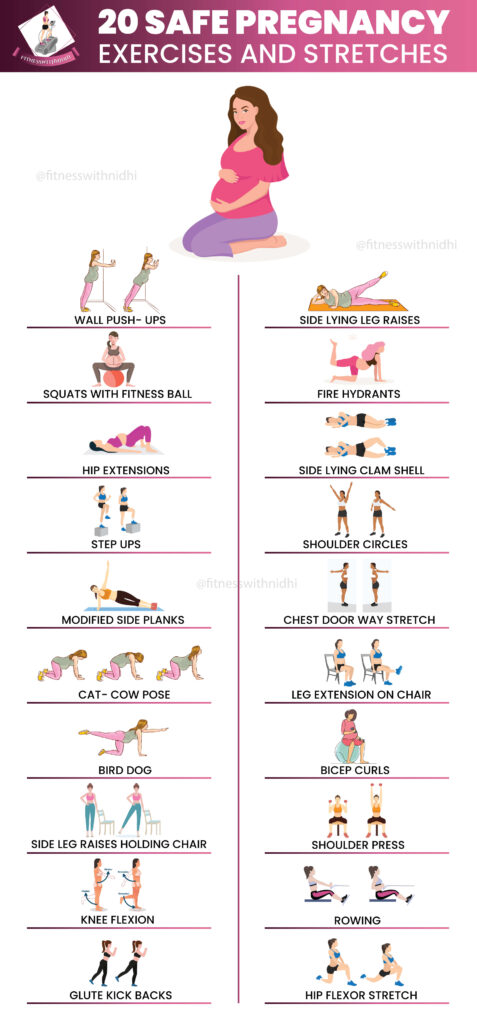
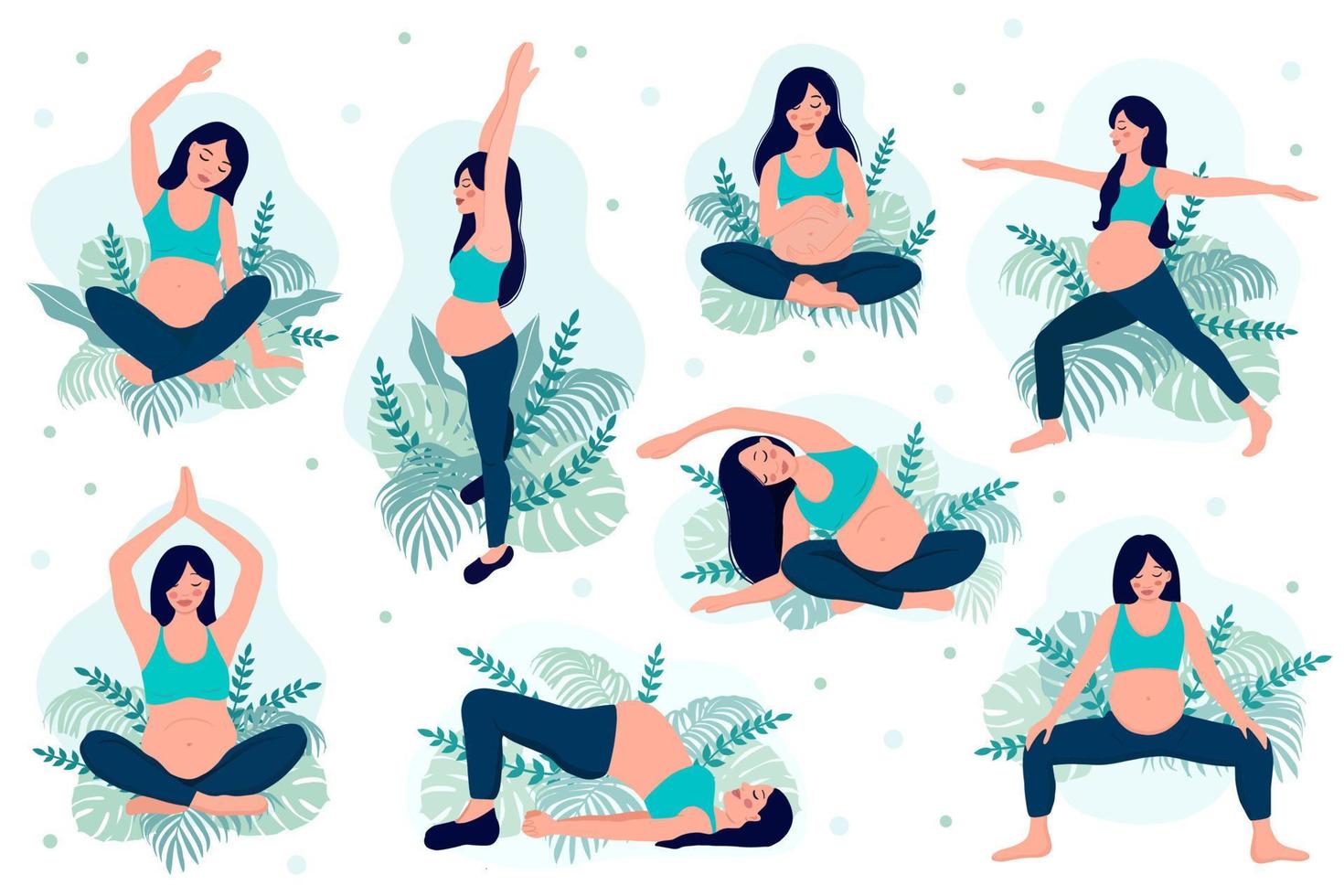
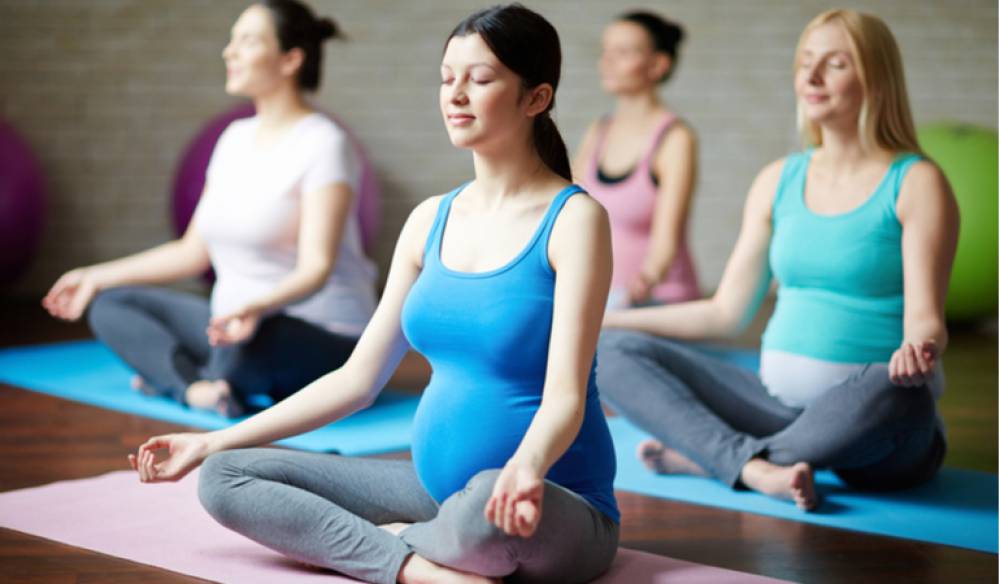
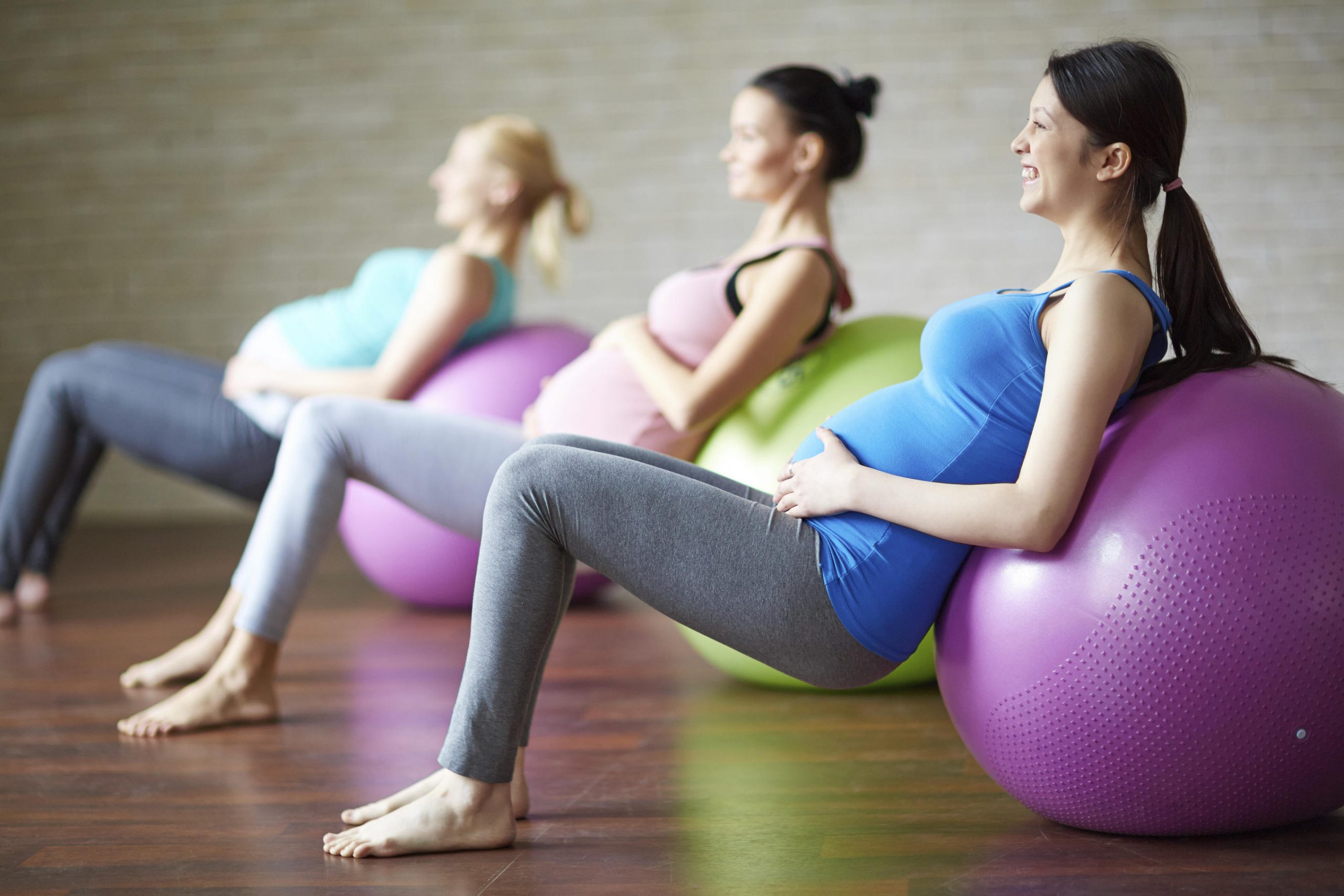
Not all exercises are created equal during pregnancy. It's essential to choose activities that are safe and beneficial for both you and your baby. Aerobic exercises, such as walking and swimming, are great options as they can help you maintain a healthy weight and reduce the risk of pregnancy-related complications (American College of Obstetricians and Gynecologists, 2020). Strengthening exercises, such as pelvic floor exercises, can also be beneficial in preparing your body for labor and reducing the risk of incontinence.
Modifying Your Exercise Routine During Pregnancy
As your pregnancy progresses, your body will undergo significant changes. It's essential to modify your exercise routine to accommodate these changes. For example, as your center of gravity shifts due to the growing baby, you may need to adjust your posture and movement to avoid putting unnecessary strain on your back, muscles, and joints (American Pregnancy Association, 2020).
When to Stop Exercising During Pregnancy
While exercise is safe for most pregnant women, there are certain situations where you should stop exercising immediately. If you experience vaginal bleeding, dizziness, chest pain, or fluid leaking from the vagina during exercise, seek medical attention from your healthcare provider (American College of Obstetricians and Gynecologists, 2020).
Staying Active During Pregnancy: Key Takeaways
- Exercise offers significant pregnancy benefits, including improved heart health, mood, and energy, as well as reduced risks of certain complications.
- Staying active improves heart health, boosts mood and energy, eases aches and constipation, promotes better sleep, and may reduce risks like gestational diabetes, high blood pressure, and delivery complications.
- Exercise supports smoother labor and recovery.
- Aerobic and strength-conditioning exercises are recommended for all pregnant women without complications.
- A goal of aerobic conditioning in pregnancy is to maintain a good fitness level throughout pregnancy without trying to reach peak fitness.
Conclusion
Staying healthy with exercise during pregnancy is a vital aspect of a healthy pregnancy. By incorporating regular physical activity into your routine, you can reduce the risk of pregnancy-related complications, ease aches and pains, and prepare your body for labor and recovery. Remember to modify your exercise routine as needed, and seek medical attention if you experience any unusual symptoms during exercise. With the right approach, you can have a healthier and happier pregnancy.