Staying Safe in a Digital Age: Preventing Phone Hacking from Strangers
In today's digital world, our smartphones are an extension of ourselves, storing sensitive information that can be used to compromise our identity, finances, and personal lives. Phone hacking has traditionally been associated with high-profile celebrities, but the truth is that anyone can fall victim to this serious security threat. In this article, we'll explore the common tactics used by hackers to gain unauthorized access to your phone and provide you with actionable tips on how to prevent phone hacking from strangers.
Understanding the Risks of Phone Hacking
Phone hacking can occur through various methods, including phishing, malware, and social engineering. Hackers may gain access to your phone by taking advantage of vulnerabilities in your operating system, apps, or browser. Once inside, they can steal sensitive information such as login credentials, credit card numbers, or personal photos and videos. To prevent phone hacking, it's essential to understand the potential risks and take proactive steps to secure your device.
Common Methods Used by Hackers
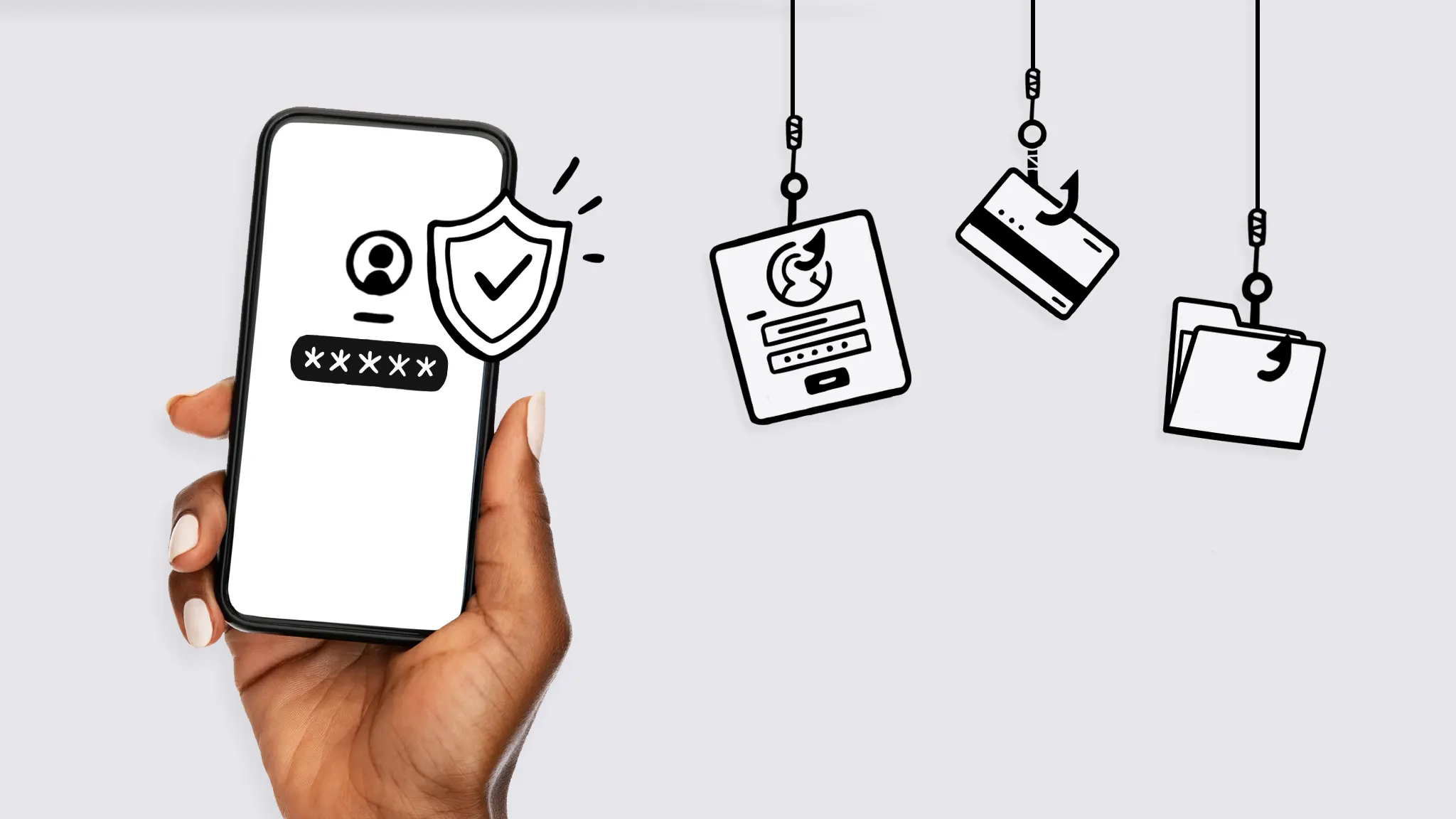
- Phishing**: Hackers use social engineering tactics to trick you into revealing sensitive information, such as login credentials or financial information, through email, text messages, or phone calls.
- Malware**: Malicious software is installed on your phone, allowing hackers to access your data, steal passwords, or control your device remotely.
- Drive-by Downloads**: Visiting infected websites or clicking on malicious links can download malware onto your phone without your knowledge or consent.
- Social Engineering**: Hackers use psychological manipulation to trick you into revealing sensitive information or gaining unauthorized access to your phone.
Preventing Phone Hacking from Strangers
To safeguard your phone and prevent hacking from strangers, follow these simple yet effective tips:
1. Stay Informed and Vigilant
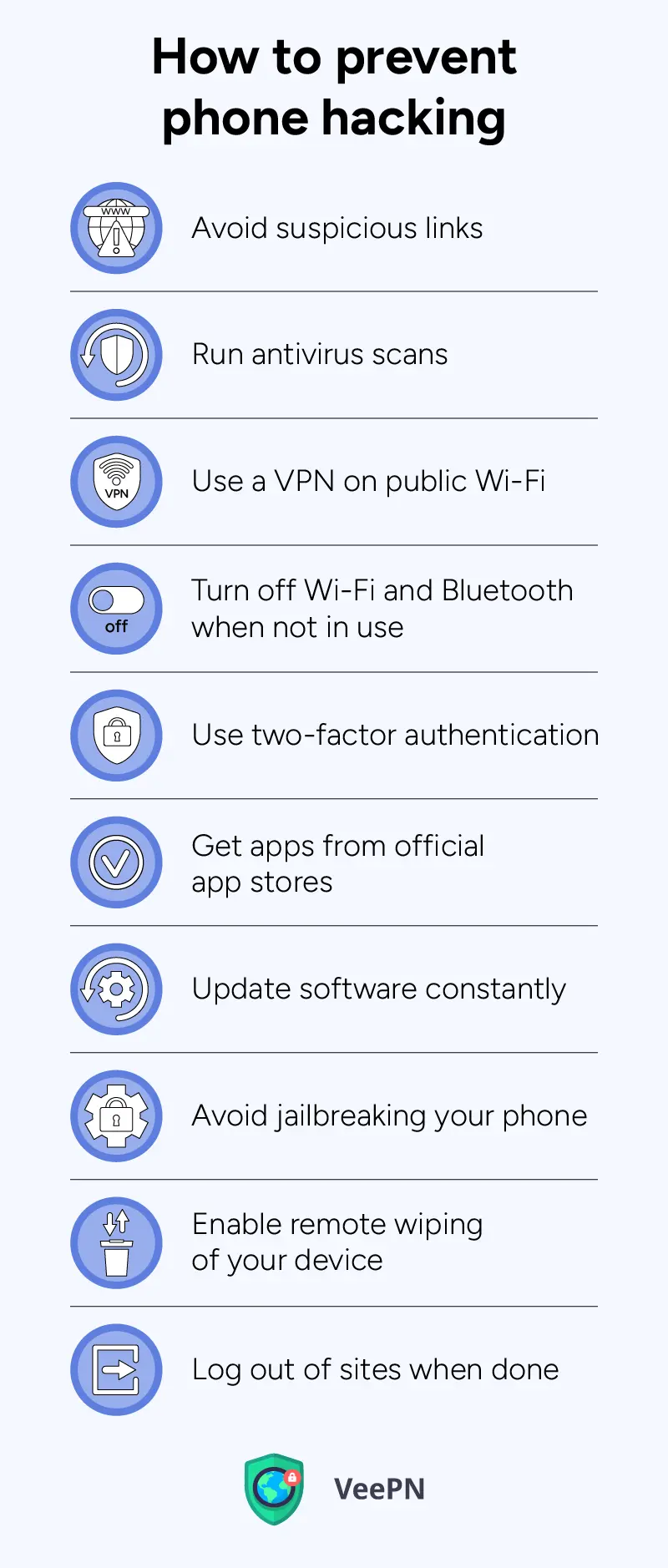
Stay up-to-date with the latest security patches and updates for your operating system, apps, and browser. Keep an eye out for suspicious emails, text messages, or phone calls that may contain phishing scams or malware.
2. Use Strong Passwords and Authentication
Use a combination of letters, numbers, and special characters to create unique and complex passwords for all accounts. Enable two-factor authentication (2FA) whenever possible to add an extra layer of security.
3. Install Security Software
Install reputable antivirus software that offers real-time protection against malware and other threats. Consider using a virtual private network (VPN) to encrypt your internet traffic and prevent hacking attempts.
4. Be Cautious with Public Wi-Fi
Public Wi-Fi networks may be vulnerable to hacking, so avoid accessing sensitive information or performing financial transactions when using public Wi-Fi. Consider using a VPN to encrypt your internet traffic when using public Wi-Fi.
5. Regularly Back Up Your Data
Regularly back up your sensitive data to a secure location, such as a cloud storage service or an external hard drive. This way, even if your phone is compromised, you can restore your data from a secure source.
6. Monitor Your Phone's Activity
Regularly check your phone's activity logs to identify any suspicious behavior or potential hacking attempts. Keep an eye out for unusual app activity, excessive data usage, or unexplained battery drain.
Conclusion
Phone hacking is a serious security threat that can compromise your identity, finances, and personal life. By understanding the common methods used by hackers and taking proactive steps to secure your phone, you can minimize the risk of hacking and stay safe in a digital age. Remember to stay informed, use strong passwords and authentication, install security software, be cautious with public Wi-Fi, regularly back up your data, and monitor your phone's activity. By following these simple tips, you can protect yourself from phone hacking and enjoy a secure and worry-free mobile experience.